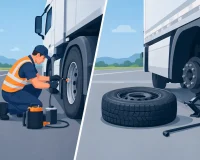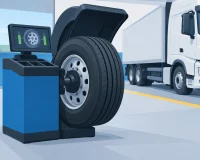
A retread tyre is only as safe as the casing underneath it, the quality of the retreading process, and the way it is managed once it is back on the truck. For operators asking, are retread tyres safe, the practical answer is yes – when they are professionally retreaded, correctly selected for the job and maintained properly.
For trucks, trailers, tippers and long-haul fleets, retreads are not a cheap shortcut. They are a normal part of commercial tyre management. The key is knowing where they suit your operation, where they do not, and when a tyre needs attention before it becomes a roadside problem.
Are Retread Tyres Safe for Heavy Vehicles?
Quality retread tyres can provide safe, dependable service on heavy vehicles. The process starts with a used tyre casing that is carefully inspected. If the casing has damage, excessive age, internal issues, poor repairs or signs of separation, it should not be retreaded. A suitable casing is prepared, fitted with new tread rubber and cured under controlled conditions.
That means the tyre receives a new wearing surface while retaining the original casing structure. Truck tyre casings are designed to be durable and, when looked after, can often be used through more than one life cycle.
The safety question is not simply whether a tyre is new or retreaded. It is whether the tyre is fit for service. A new tyre with low pressure, uneven wear or damage from a pothole can fail. A properly manufactured retread with the right load rating, tread pattern and inflation pressure can perform reliably in demanding commercial work.
For a fleet manager, that distinction matters. The goal is not to buy the lowest-priced tyre on the day. It is to get safe kilometres, controlled tyre costs and fewer interruptions to deliveries, earthmoving work or farm operations.
What Makes a Retread Safe or Unsafe?
Retreads need the same disciplined approach as every other truck tyre. Most tyre problems come down to heat, impact damage, overloading, underinflation or missed inspections. These risks apply to new and retread tyres alike, but poor tyre practices can quickly shorten the life of any casing.
The casing must pass inspection
The casing is the foundation of a retread. Before a tyre can be retreaded, it needs a detailed inspection inside and out. The technician checks for cuts, penetrations, sidewall damage, bead damage, exposed cords, irregular wear and signs of heat stress.
A casing that has been run flat, overloaded or badly damaged may no longer be suitable. Retreading a poor casing is never a safe answer. Reputable tyre suppliers reject casings that do not meet the required condition for another service life.
The tyre must suit the axle and application
A retread that works well on a trailer axle may not be the right choice for a steer axle. The right decision depends on the vehicle, load, route, road surface, axle position and company policy.
Drive tyres need traction. Trailer tyres need stability and resistance to scrub. Tipper trucks and earthmoving equipment may need a more aggressive pattern and stronger protection against stone damage. Long-haul work may favour tyres that run cooler and wear evenly over extended highway kilometres.
Always match the tyre’s load and speed capability to the work it will actually do. If there is any doubt, get advice before fitting. Saving money on the wrong tyre can cost far more in downtime, damaged freight or a recovery callout.
Pressure is non-negotiable
Underinflation is one of the biggest enemies of truck tyres. It causes excess flexing, heat build-up and internal damage that may not be obvious from the outside. Over time, that heat can weaken the casing and increase the chance of tyre failure.
Pressure checks should be part of every pre-start routine, not something left until a tyre looks soft. Check tyres when they are cold where possible, use a reliable gauge and set pressures for the actual axle loads. A loaded tipper, a B-double and an empty trailer do not all place the same demand on their tyres.
If one tyre is repeatedly losing pressure, do not keep topping it up and hoping for the best. It may have a puncture, valve issue, wheel problem or internal damage that needs immediate inspection.
Repairs need to be done properly
A puncture repair is not just plugging a hole and sending the truck away. The tyre must be removed and inspected internally to confirm the damage is repairable and that it has not been driven while flat. The location, size and type of puncture all matter.
A correct repair can return a tyre to service safely. A rushed repair, or continuing to run a damaged tyre, can turn a manageable issue into a blowout, casing loss and a truck sitting on the shoulder.
Retreads Versus New Tyres: The Real Trade-Off
New tyres and retreads both have a place in a well-managed fleet. New tyres are often used when a fresh casing is needed, when the application is particularly demanding, or when the fleet’s tyre policy requires them in a specific axle position.
Retreads can offer excellent value where the casing is sound and the tyre is suited to the work. They help operators get more usable life from a quality truck tyre casing and can reduce the cost per kilometre across a fleet. They can also reduce waste by making full use of materials already built into the original tyre.
But retreads are not automatically the best option for every vehicle or route. A truck spending its time on rough quarry access roads faces different risks from a prime mover running mostly on the M1. A vehicle with alignment problems will chew through a retread just as quickly as it will chew through a new tyre.
The right choice comes from looking at the full picture: axle position, loads, routes, driver checks, tyre history and downtime risk. A tyre program should fit the operation, not force the operation to fit a tyre deal.
Warning Signs That Need Fast Attention
Drivers are often the first line of defence against tyre failures. A quick walk-around can catch problems before they take a truck off the road. Watch for visible cuts, bulges, cracking, exposed cords, lodged objects, uneven tread wear, damaged valves, wheel damage or tyres that look noticeably low.
Changes in how the truck handles also matter. Vibration through the steering, a pull to one side, unusual noise or a sudden loss of stability can point to a tyre, wheel balance, alignment or suspension issue. Do not wait until the next scheduled service if the vehicle feels wrong.
There are several warning signs that require the tyre to be taken seriously straight away:
- A bulge, blister, exposed cord or visible separation in the tread or sidewall.
- A tyre that has been run underinflated or flat, even if it appears to reinflate normally.
- Deep cuts, major impact damage or a puncture in an area that cannot be safely repaired.
- Rapid or uneven wear that suggests an alignment, suspension, loading or pressure problem.
Stopping early is usually the cheaper option. Continuing on a suspect tyre can damage the wheel, destroy the casing and leave your driver stranded in an unsafe location.
How to Get the Best Life From Retread Tyres
The best retread results come from good tyre management long before the tread is worn down. Keep axle loads within limits, maintain the correct cold pressures, rotate tyres where suitable and fix alignment issues early. Regular inspections make it easier to spot damage while the tyre is still repairable.
It also pays to record tyre history across the fleet. Knowing when tyres were fitted, where they ran, how they wore and how often they needed pressure topped up helps identify patterns. If one trailer position keeps wearing tyres on the edge, the answer may be a mechanical issue rather than another replacement tyre.
For owner-drivers, the same principle applies on a smaller scale. A few minutes spent checking tyres before heading out can prevent hours lost waiting on the roadside. Tyres are one of the few components that carry every kilometre, every load and every braking event, so they deserve regular attention.
Fast Support When a Truck Tyre Cannot Wait
A tyre issue does not always happen near a workshop or during business hours. When a puncture, blowout or damaged retread stops a truck, trailer or tipper, getting the right support on site can make a major difference to the day’s work.
Hunter Mobile Truck Tyres provides 24/7 mobile truck tyre support across the Hunter region, including emergency replacements, puncture repairs, tyre fitting, pressure checks and blowout recovery. The focus is simple: assess the problem properly, fit a suitable solution and get your vehicle moving safely with as little downtime as possible.
Retread tyres can be a safe, cost-effective part of a commercial tyre plan, but only when the casing, fitment and maintenance are right. Treat every tyre concern early, choose tyres for the work in front of them, and keep a reliable mobile tyre service ready for the jobs that cannot wait.