A loaded truck on the shoulder at 2 am is not just a tyre problem. It is missed delivery windows, driver stress, safety risk, and money leaking out by the minute. That is why an emergency truck tyre changeout needs to be fast, properly handled, and done where the vehicle is – roadside, at a depot, on a job site, or wherever the issue hits.
For owner-drivers, fleet managers, earthmoving operators and linehaul crews, tyre failure rarely comes at a good time. It shows up when schedules are tight, the load still has to move, and there is no room for workshop delays. A mobile response makes the difference because the job comes to the truck instead of the truck losing hours getting to a shop.
What an emergency truck tyre changeout really solves
When a steer, drive or trailer tyre lets go, the obvious issue is the damaged casing. The bigger issue is operational disruption. One vehicle off the road can knock around the rest of the day, especially when that truck is part of a fleet run, a quarry job, an agricultural schedule or a time-sensitive freight movement.
A proper emergency response is about more than fitting another tyre. It is about getting the vehicle assessed quickly, making sure the replacement suits the application, checking for related damage, and getting the truck back into service with as little downtime as possible. That matters even more on busy routes like the M1 or the Hunter Expressway, where waiting around is the last thing any operator wants.
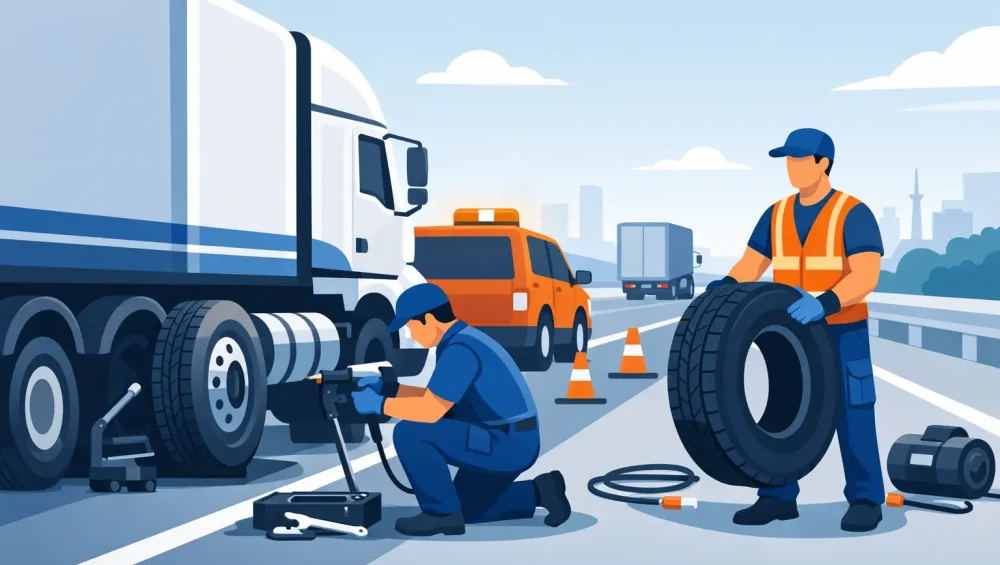
There is also a safety side to it. A roadside tyre failure can put the driver in a risky position, particularly at night, in poor weather, or on narrow shoulders. Fast mobile assistance reduces exposure and gets an experienced technician on site to handle the tyre safely and efficiently.
When a roadside tyre issue needs immediate action
Not every tyre problem looks dramatic at first. Some start with a slow pressure loss, uneven wear or a puncture that worsens under load. Others are instant, like a blowout, sidewall failure or damaged dual setup. Either way, waiting too long usually makes the situation worse.
If the tyre is flat, separating, badly cut, overheating, or has obvious structural damage, it is time to stop and arrange help. Continuing to roll on a compromised tyre can damage the rim, affect handling, and in some cases create more expensive mechanical problems. With trailers and heavily loaded combinations, the cost of pushing on often ends up far higher than the cost of acting early.
That is where mobile service earns its keep. Instead of trying to nurse the vehicle to a workshop, the tyre support comes directly to you. For operators working around Newcastle, Maitland, Rutherford, Singleton or out on regional runs, that can save a serious amount of downtime.
Emergency truck tyre changeout on-site vs workshop visits
For heavy vehicles, the old approach of limping into a tyre shop is not always practical. If the truck is loaded, stranded in a tight access point, parked at a customer site, or sitting on a roadside shoulder, getting to a workshop may mean towing, escort delays, or waiting until business hours. None of that helps a busy transport schedule.
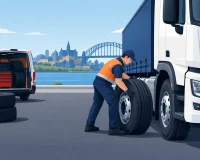
An on-site emergency truck tyre changeout removes those extra steps. The technician arrives with the right tools, suitable replacement options, and the experience to work around the real conditions on the ground. That could be a highway shoulder, a muddy access track, a distribution yard or a worksite with limited room.
There is a clear convenience factor, but the bigger value is continuity. Your driver stays with the vehicle, your load stays where it is meant to be, and the truck can often return to work far sooner than it would through a workshop-based repair process.
What a good mobile tyre response should include
Speed matters, but speed on its own is not enough. A rushed job that ignores load requirements, tyre condition or wheel issues can put the vehicle right back off the road. The best mobile response combines urgency with proper workmanship.
A good technician will first assess what has actually failed. Sometimes it is only one tyre. Sometimes the tyre failure has been caused by low pressure, alignment issues, worn suspension parts, brake heat, road debris or overload. If those signs are missed, the replacement may only be a short-term fix.
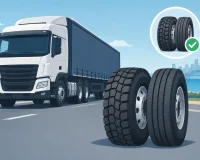
The job should also include a suitable tyre fitment for the vehicle and task. That might mean new or quality used truck tyres depending on availability, urgency and budget. There is no single answer for every operator. A linehaul prime mover on a long route has different needs to a local tipper or farm trailer. Practical advice matters here, because the cheapest option is not always the one that saves money over time.
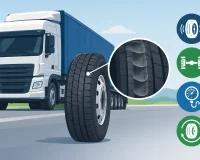
Wheel condition, inflation pressure and general safety checks should be part of the response as well. If there is damage beyond the tyre itself, you need to know before the truck heads back onto the road.
Why downtime costs more than most operators expect
Every transport operator understands that a truck off the road costs money. What often gets underestimated is how quickly the total impact grows. There is the direct callout cost, but then there is lost delivery time, missed booking slots, rescheduled labour, driver waiting time, customer pressure and the flow-on effect to other vehicles.
For fleets, one roadside failure can disrupt multiple jobs. For owner-drivers, it can wipe out the margin on the run. For earthmoving and agricultural operators, delayed equipment can stall a whole day’s work. That is why a fast tyre response is not just a convenience service. It is a practical way to protect revenue and keep operations moving.
This is also why 24/7 availability matters. Tyres do not fail neatly between nine and five. They fail on early starts, overnight hauls, weekend work and holiday runs. Having access to mobile support outside standard workshop hours gives operators a far better chance of recovering quickly.
How to reduce the chance of needing an emergency truck tyre changeout
No operator can prevent every tyre failure. Road hazards, debris and bad luck are part of the job. But a lot of emergency callouts are linked to issues that build up over time.
Pressure management is one of the biggest ones. Underinflation generates heat, increases wear and raises the risk of casing failure. Overinflation can affect wear patterns and grip. Regular checks make a difference, especially across mixed routes and changing loads.
Tyre inspections also matter more than many busy operators admit. Cuts, exposed cords, shoulder wear, irregular tread wear and damage between duals are easy to miss when schedules are packed. Small issues often become roadside failures later.
Rotation, balancing and timely replacement help as well. So does paying attention to recurring failures on the same axle position. If one position keeps chewing through tyres, there is usually an underlying cause that needs attention.
For fleets, planned tyre management is often the best way to cut emergency callouts without slowing the operation down. It is not about over-servicing. It is about catching problems early enough to avoid expensive downtime later.
Choosing the right support when time is tight
When a truck is stranded, nobody wants to waste time chasing vague promises or waiting on a service that does not turn up prepared. You want clear communication, realistic arrival times, and someone who understands heavy vehicle tyre work properly.
That means dealing with a service focused on trucks, trailers and commercial equipment – not general passenger vehicle tyre work. Heavy vehicle jobs come with different pressures, different fitments, different risks and different expectations around response times. Experience counts, especially in roadside conditions.
Hunter Mobile Truck Tyres is built around that reality, with mobile tyre support designed for commercial operators who need fast, practical help without the workshop runaround. For trucks moving through the Hunter region and beyond, that kind of response can be the difference between a short delay and a ruined shift.
The right support also understands trade-offs. In some cases, a puncture repair is appropriate. In others, a full replacement is the safer and smarter call. Sometimes a quality used tyre is the fastest and most sensible option for getting moving again. Other times, only a new tyre makes sense. The best service is the one that gives you the straight answer and gets the job done properly.
A blown tyre will always be a bad interruption, but it does not have to become a full-day problem. When the response is quick, mobile and geared around heavy vehicles, the path back to work is a lot shorter. If you run trucks for a living, that kind of backup is not a luxury – it is part of staying on schedule when the road throws up the usual surprises.