A truck blowout rarely comes out of nowhere. Most start with a small issue – low pressure, a slow puncture, heat, overloading or damage that was easy to miss at the last stop. Knowing how to prevent truck blowouts gives owner-drivers and fleet managers a real chance to avoid a roadside delay, a damaged rim, a missed delivery and a dangerous recovery job.
For trucks, tippers, trailers and long-haul combinations, tyres are working under serious weight, distance and heat. A quick check before the wheels start turning is cheaper than losing hours on the M1, Hunter Expressway or a remote job site.
How to Prevent Truck Blowouts Starts With Pressure
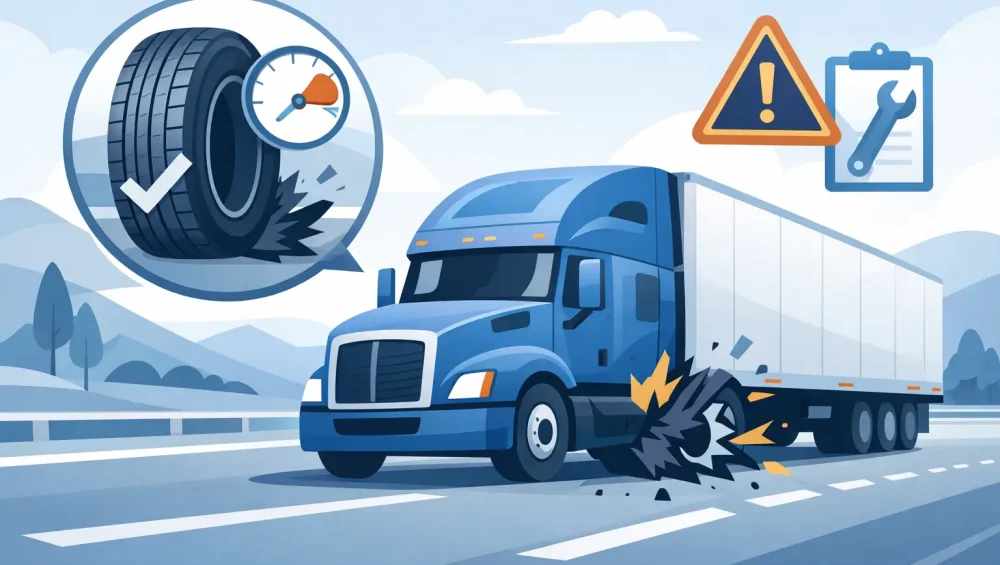
Incorrect tyre pressure is one of the biggest causes of premature tyre failure. An under-inflated tyre flexes more as it rolls. That extra flexing generates heat, weakens the casing and can lead to a rapid failure. On a loaded truck travelling at highway speed, the damage can build quickly.
Over-inflation creates a different problem. It reduces the tyre’s contact patch, can cause uneven centre wear and makes the tyre more vulnerable to impact damage from potholes, broken edges and debris. The right pressure depends on the tyre size, axle position, load and manufacturer recommendations. There is no single pressure that suits every truck or trailer.
Check pressures when tyres are cold, ideally before the vehicle has been driven for the day. Use a reliable gauge rather than judging a tyre by sight. Dual wheels deserve particular attention, because an inside tyre can be low or flat without being obvious during a rushed walk-around. If one tyre in a dual set is carrying less air, the matching tyre takes more load and heat. That can turn one small problem into two tyre failures.
For fleet vehicles, recording pressure checks helps spot recurring losses. A tyre that needs frequent top-ups is telling you something. Find the leak, valve issue or wheel problem before it becomes an emergency.
Inspect Every Tyre Before It Becomes a Blowout
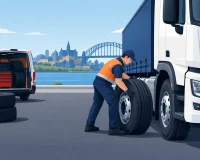
A proper pre-start inspection takes minutes and can save a full shift. Walk around the truck and trailer with a torch if needed, especially before an early departure or after working around demolition, quarry or rural sites.
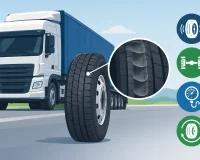
Look for these warning signs:
- Cuts, cracking, exposed cords or deep sidewall damage
- Nails, screws, wire or stones lodged in the tread
- Bulges, lumps or separations in the tyre casing
- Uneven wear, including shoulder wear, centre wear and cupping
- Missing valve caps, leaking valves, loose wheel nuts or signs of rim damage
Do not assume a tyre is safe because it still has visible tread. A tyre can have plenty of tread left but be unsafe due to casing damage, age, overheating or a poor previous repair. Sidewall damage is particularly serious. The sidewall carries constant flex, and a cut or bulge there is not something to gamble on.
If you find a puncture, assess it early. A small repairable tread puncture is far easier to deal with than a tyre run flat until it destroys the casing. Once the internal structure has been damaged through heat and flexing, a simple repair may no longer be safe or worthwhile.
Match the Tyre to the Job and the Load
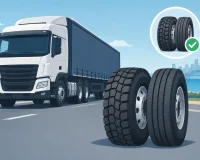
A truck tyre has to suit the work, not just fit the rim. Long-haul highway work, local delivery, earthmoving access roads, tipper work and mixed regional routes all place different demands on tyres. Fitting the wrong tread pattern or casing type can mean faster wear, poor traction and more exposure to damage.
Load also matters. Overloading an axle puts every tyre under extra stress, particularly in hot weather and over long distances. Even a legal gross vehicle weight does not guarantee each axle is correctly loaded. Poor load distribution can overload a particular axle group or place too much strain on one side of the trailer.
Secure the load properly and keep it balanced where possible. If the load shifts, it can alter handling, tyre scrub and axle loading. For operators regularly carrying variable loads, it pays to review tyre specifications and pressure settings for the heaviest normal operating condition rather than relying on a guess.
Tyres in a dual configuration should be closely matched for size, tread depth and inflation pressure. A noticeably different rolling diameter forces tyres to work against each other. That creates heat, irregular wear and unnecessary stress on the pair.
Control Heat on Long and Heavy Runs
Heat is the enemy of truck tyres. High ambient temperatures, heavy loads, high speeds, long downhill braking and low pressure can combine to push a tyre beyond its safe operating range.
Plan checks around the conditions your drivers actually face. A run from Newcastle through the Hunter Valley in mild weather is different from a heavily loaded trip on a hot day, with rough access tracks at either end. If tyres have hit something hard, run underinflated or show an unusual hot smell, pull over safely and inspect them before continuing.
Wheel-end problems can also transfer heat into the tyre area. A dragging brake, bearing issue or mechanical fault may cause one wheel to run far hotter than the others. If one tyre or hub is unusually hot, do not simply add air and keep moving. The cause needs to be identified before the vehicle returns to the road.
Speed management matters too. Running faster than conditions allow increases heat and impact forces. Keeping a sensible pace on rough roads, around worksites and through damaged sections of highway protects tyres, suspension and wheels at the same time.
Rotate, Balance and Align Before Wear Gets Expensive
Uneven wear is often a maintenance signal, not just a tyre problem. Feathering can point to alignment issues. Cupping may indicate worn suspension components or balance concerns. One-sided shoulder wear can come from incorrect pressure, alignment or the way the vehicle is loaded.
Regular rotation can spread wear more evenly where the vehicle and tyre setup allow it. Balancing is especially useful when vibration is present or after fitting tyres, while alignment checks protect steer tyres from being scrubbed away early. These jobs cost far less when scheduled than when ignored until a tyre fails.
Keep an eye on steering and trailer tracking. If the truck pulls, the steering wheel sits off-centre, or a trailer is visibly tracking poorly, get it checked. Tyres are often the first part to show the effect of an alignment or suspension issue, but replacing tyres alone will not fix the underlying cause.
Do Not Stretch a Damaged Tyre to Finish the Job
The pressure to complete a run is real. A delivery window, loading slot or machine waiting on site can make a driver want to nurse a questionable tyre to the next depot. That decision can cost far more if the tyre lets go at speed and damages guards, airlines, mudflaps, wiring or nearby vehicles.
If a tyre is losing pressure, has visible casing damage, has been run flat, or is showing signs of separation, take it out of service. A qualified technician can determine whether it is repairable, needs replacing, or whether another vehicle issue caused the damage.
For fleets, clear reporting rules make this easier. Drivers should be able to flag a tyre concern without being pushed to keep rolling. The best tyre program is not just about inspections – it is about acting on what those inspections find.
Build Blowout Prevention Into Fleet Routine
The most reliable approach is a simple routine completed consistently: cold pressure checks, walk-around inspections, load awareness, planned maintenance and prompt repairs. Keep tyre records by vehicle and position so patterns are visible. If the same axle repeatedly wears tyres early, investigate the truck, trailer, route and loading practice rather than accepting replacement as normal running cost.
When a tyre issue does happen, fast support limits the fallout. Hunter Mobile Truck Tyres provides mobile tyre assistance for heavy vehicles across the Hunter region, helping operators deal with punctures, replacements and blowout recovery where the truck is stopped.
A tyre that is checked today is far less likely to stop your truck tomorrow. Make the inspection part of the job, give damaged tyres the attention they deserve, and keep your vehicle earning instead of waiting on the roadside.