A roadside tyre replacement can get a truck moving again fast, but fitting whatever tyre is available is not always the right call. Are mismatched tyres legal in NSW? Sometimes, yes. But when tyres are fitted across the same axle, especially on steer axles or dual-wheel positions, the rules and safety risks become much stricter.
For truck drivers, owner-operators and fleet managers, the practical answer is this: tyres can differ between axles in many cases, but they must still meet the vehicle manufacturer’s requirements, carry the correct ratings and work safely as a set. A tyre that is physically able to fit is not automatically a legal or suitable tyre.
Are mismatched tyres legal on trucks in NSW?
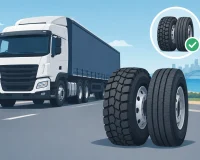
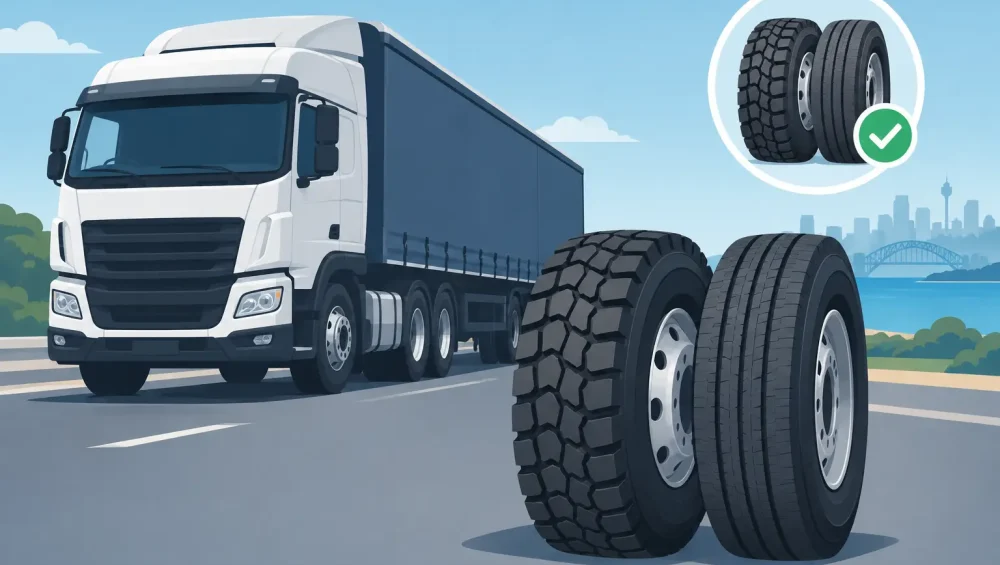
There is no blanket rule saying every tyre on a truck, trailer or dog trailer must be the same brand, tread pattern or age. A heavy vehicle can commonly run different tyre models on different axles. For example, a steer axle may use rib tyres designed for directional control, while drive axles use deeper traction tyres and trailer axles use tyres built for scrub resistance.
The issue is whether each tyre is suitable for its position and whether tyres paired on the same axle are compatible. Heavy vehicles operating in NSW must comply with applicable vehicle standards and be maintained in a safe, roadworthy condition. That means the tyre size, construction, load capacity, speed capability and condition all matter.
A mismatch can become illegal, defect-worthy or simply unsafe when it creates an imbalance in steering, braking, traction or load carrying. It can also cause costly wear before a roadside inspector ever sees it.
What should match on the same axle?
As a working rule, tyres fitted to the same axle should be closely matched in size and construction. This is particularly critical for steer axles and dual-wheel assemblies. Checking the markings on the sidewall is the quickest way to confirm what is fitted.
The tyres need to be appropriate for the rim and capable of carrying the axle load. Mixing radial and bias-ply tyres across the same axle is generally not a sensible or compliant arrangement unless the vehicle manufacturer and relevant standards specifically allow it. Different constructions flex and react differently under load, which can affect handling and heat build-up.
For dual tyres, rolling circumference is just as important as the written size. Two tyres can both be labelled the same size but sit at different effective diameters because one is heavily worn and the other is new, or because their designs differ. The larger tyre then takes more of the load, while the smaller tyre can scrub and drag. That puts extra stress through the casing, sidewall, wheel-end components and differential.
On a steer axle, mismatched tyres can make the vehicle pull, wander or respond unevenly under brakes. On a prime mover travelling the M1, Hunter Expressway or a loaded run through the ranges, that is not a risk worth carrying.
Brand and tread pattern are not always the legal issue
Different brands are not automatically illegal. Two tyres may be different brands yet still be compatible if they have the same size, construction, ratings and similar rolling dimensions. Still, matching brand and pattern on the same axle is often the best operational choice because it gives more predictable grip, wear and handling.
Tread differences deserve attention too. A new aggressive drive tyre paired with a worn highway-pattern tyre can create uneven traction, particularly in wet conditions, on loose work sites or when pulling away under load. Legal minimum tread depth is not the only measure of a tyre that is fit for heavy work.
Tyre ratings must suit the job
Every replacement tyre must meet or exceed the requirements for that wheel position. Look beyond the diameter stamped on the sidewall. The load index or ply rating, speed rating, inflation requirement and tyre construction all need to suit the truck, trailer and the loads being carried.
Fitting a lower-rated tyre because it is available, cheaper or gets the vehicle moving quickly can create serious trouble. Under-rated tyres build heat, wear faster and are more likely to fail under sustained highway loads. The consequences can include a roadside defect, a failed inspection, downtime and an avoidable blowout.
The tyre placard, manufacturer specifications and fleet tyre policy should guide the decision. If a vehicle has been modified, carries specialised equipment or operates near its axle limits, get position-specific advice rather than relying on what was fitted previously.
Different tyres on different axles can make sense
Mismatching between axles is often normal in commercial tyre management. The front steer tyres, drive tyres and trailer tyres perform different jobs. A tipper working around quarry roads may need drive tyres with stronger traction and cut resistance, while its steer tyres need stable highway manners and even wear. A long-haul B-double may have another combination again.
The key is to fit the right tyre to the right position. Rotating a drive tyre onto a steer axle without checking its suitability is not good tyre management. Neither is fitting a trailer tyre to a drive position just because the nominal size matches.
Retreads also require care. Quality retread tyres are widely used in commercial fleets, particularly in suitable trailer and drive applications, but their use must match the casing, tyre position, duty cycle and applicable requirements. A retread should never be treated as a universal substitute for any tyre on the vehicle.
When a temporary mismatch may be necessary
A breakdown at night or on a remote job site rarely happens at a convenient time. If a tyre is destroyed, a temporary replacement may be the fastest safe way to prevent a long delay. However, temporary does not mean ignore the compatibility checks.
Before fitting a replacement, confirm that it is the correct size for the rim, has adequate load and speed capability, is the right construction for the axle and has no damage or unsafe wear. On a dual assembly, check the companion tyre as well. If one tyre has failed due to overloading, under-inflation, impact damage or rubbing, the tyre beside it may also be compromised.
If the available tyre is not a proper match for the wheel position, the safest decision may be to wait for the correct tyre or move the vehicle only under professional direction. Getting rolling is valuable. Staying in control, protecting the load and avoiding a second callout is more valuable.
Warning signs your tyre setup needs attention
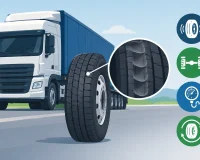
Do not wait for a blowout to inspect a mixed tyre setup. Uneven shoulder wear, abnormal heat, one dual tyre wearing faster than the other, vibration, steering pull or repeated pressure loss all point to a problem worth checking.
Fleet operators should also keep a record of tyre sizes, tread depths, pressures, rotations and repairs. This makes it easier to spot an unsuitable replacement before it causes trouble. Regular pressure checks matter because an under-inflated tyre changes its rolling radius and can overload its dual partner even when both tyres originally matched.
A proper mobile inspection can identify whether the issue is the tyre itself, a damaged rim, alignment, wheel balance, incorrect pressure or a load distribution problem. Replacing tyres without finding the cause can turn a simple repair into ongoing expense.
Get the right tyre fitted where the truck stops
For heavy vehicles, tyre compliance is not about making every wheel look identical. It is about fitting tyres that are compatible, correctly rated and safe for the axle, load and operating conditions. If there is any doubt about a mismatch, treat it as a reason to check, not a reason to gamble.
Hunter Mobile Truck Tyres provides practical on-site tyre support for trucks, trailers and fleet vehicles across the Hunter region, including emergency replacements, puncture repairs and tyre checks. The right replacement fitted at the roadside can keep your vehicle productive without compromising safety. When a tyre lets go, make the next decision the one that keeps the whole job moving safely.