A tyre that looks fine in the yard can become the reason a load is late by lunchtime. The decision between radial versus bias truck tyres is not just about purchase price. It affects how a truck handles highway kilometres, carries weight, copes with rough ground, uses fuel and stays on the road when the job gets hard.
For an owner-driver, the right choice protects margins. For a fleet manager, it helps control tyre spend, downtime and avoidable callouts. The best tyre is the one that matches the vehicle, axle position, load, route and working surface – not simply the one with the lowest upfront cost.
What separates radial and bias truck tyres?
The difference is in the tyre’s internal construction. That construction changes how the sidewall flexes, how the tread sits on the road and how heat moves through the casing under load.
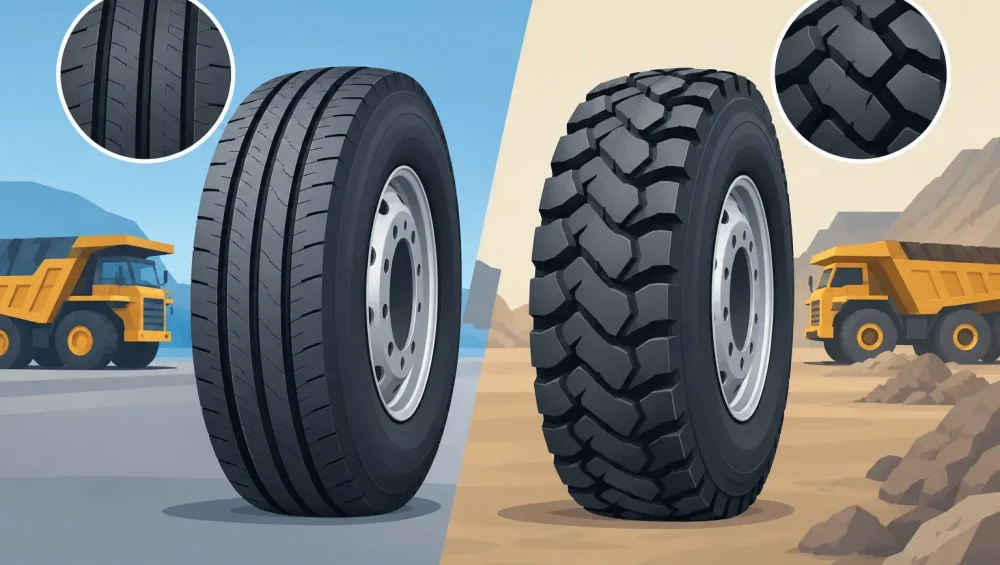
A radial tyre has cord plies running across the tyre from bead to bead, generally at a 90-degree angle to the direction of travel. Steel belts sit beneath the tread. This design allows the tread and sidewall to work more independently, giving the tyre a broader, more consistent contact patch on sealed roads.
A bias tyre, also called a cross-ply tyre, uses layers of cords that criss-cross diagonally across the casing. The tread and sidewall are more closely connected, creating a stiffer overall construction. That stiffness can be a real advantage where tyres face impacts, sharp rocks, uneven surfaces and slow-speed heavy-duty work.
Neither design is automatically better. The working conditions decide the winner.
Radial versus bias truck tyres on the highway
For long-haul and regular sealed-road transport, radial tyres are usually the practical choice. Their flexible sidewalls and stable tread footprint generally reduce rolling resistance. In plain terms, the truck does not have to work as hard to keep the tyres rolling, which can support better fuel economy over high annual kilometres.
Radials also tend to run cooler at sustained road speeds. Excess heat is a tyre’s enemy, particularly on loaded vehicles travelling through warm conditions or covering long distances on the M1, Hunter Expressway or Golden Highway. Lower operating temperatures can help slow casing fatigue and contribute to more even tread wear when inflation pressure, alignment and suspension are properly maintained.
Driver feel matters too. Radial tyres commonly provide a more compliant ride and predictable steering response on bitumen. That is useful for prime movers, rigid trucks and trailers spending most of their time between depots, distribution centres and regional delivery points.
However, a radial tyre still needs the right specification. A highway tyre fitted to a vehicle that regularly leaves the blacktop for rocky access roads, muddy sites or demolition yards may suffer sidewall damage long before its tread is worn out. The tyre type must suit the real work, not the route written on the run sheet.
Where bias tyres earn their keep
Bias truck tyres are often a strong option for severe off-road or mixed-site work. Their firmer casing can tolerate the twisting, deflection and repeated impacts common on earthmoving sites, quarries, farms and construction jobs. At lower speeds, where fuel efficiency and highway heat build-up are less critical, that durable construction can make sound commercial sense.
Tipper trucks are a common example. A tipper might travel a short distance on the road, then spend much of the day crossing loose gravel, rutted tracks or sharp, uneven ground. In that setting, resistance to cuts, bruising and sidewall abuse can matter more than the smoother ride and lower rolling resistance associated with a radial.
Bias tyres can also offer useful stability for certain heavy, low-speed applications. But there is a trade-off. On extended sealed-road work, they generally generate more heat, use more fuel and may wear faster than an equivalent radial. Fitting bias tyres to a long-distance truck simply because they appear tougher can cost more over the tyre’s working life.
The load and axle position matter as much as construction
Tyre selection should never be made by construction alone. The tyre’s load rating, speed rating, tread pattern, ply or load range, rim compatibility and manufacturer recommendations all need to match the vehicle’s job.
A steer axle has different needs from a drive axle. Steer tyres need accurate handling, even wear and reliable wet-weather performance. Drive tyres require traction and resistance to torque-related wear. Trailer tyres deal with scrub forces during tight turns and can wear rapidly if alignment, suspension bushes or axle tracking are out.
For this reason, mixing tyre types across a vehicle without a clear plan is rarely wise. A mixed fleet may need different tyre constructions across different vehicles, but each truck and trailer combination should be assessed as a complete working unit. Where tyres are fitted in duals, matching size, construction, tread depth and inflation pressure is especially important. Mismatched dual tyres can force one tyre to carry more of the load, build heat and fail early.
Upfront price is not the whole tyre cost
Bias tyres can sometimes have a lower initial purchase price, which makes them appealing when cash flow is tight or a truck works limited kilometres. But price at fitting is only one part of the calculation.
A radial tyre may cost more initially while delivering longer tread life, lower fuel use and a casing suitable for retreading. For a truck covering substantial highway kilometres, those savings can outweigh the higher buy-in. The key figure is cost per kilometre, along with the cost of an unplanned roadside failure.
On the other hand, paying for premium highway radials on a vehicle that spends its life crawling through abrasive off-road conditions may not deliver value. If sidewall cuts end the tyre’s service early, the potential fuel saving never has time to pay back.
A practical tyre plan considers the full picture: kilometres, loads, terrain, average speed, tyre damage history, fuel use, retread potential and how costly it is when that truck is parked up.
Do not overlook pressure and maintenance
Even the right tyre construction will fail early if pressure checks are inconsistent. Under-inflation creates excess flexing and heat, particularly in radial tyres operating at road speeds. It can cause irregular shoulder wear, casing damage and eventually a dangerous failure. Over-inflation reduces the contact patch, can accelerate centre wear and may make the tyre more vulnerable to impact damage.
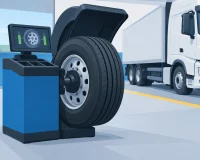
Regular pressure checks should be done when tyres are cold, using the correct pressure for the actual axle load. Drivers should also keep an eye out for cuts, bulges, exposed cords, lodged objects and unusual wear patterns. Feathering, one-sided wear or rapid wear on one position can point to an alignment, wheel balance, bearing, brake or suspension issue rather than a tyre problem.
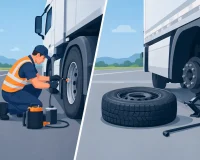
Rotation and timely repairs are equally worthwhile. A repairable puncture handled early may save a casing. Continuing to run a tyre after pressure loss can destroy it within a short distance. When a tyre is damaged on the roadside or at a remote site, getting qualified help quickly protects both the tyre investment and the day’s work.
How to choose the right construction for your operation
Start with where the vehicle spends most of its operating hours. If it is hauling freight over sealed roads at normal highway speeds, radial tyres will usually provide the better all-round result. If it works mainly in harsh, slow-speed off-road conditions, a bias construction may offer the toughness the job demands.
Then look at the exceptions. A long-haul truck that occasionally enters a rough site may still be better on radials with an appropriate mixed-service tread and careful site access. A tipper that does frequent road runs between quarries may benefit from reviewing whether a radial mixed-service tyre can reduce fuel and wear costs without giving up the protection it needs.
The right answer often sits in the detail. Load records, previous tyre failures and actual route conditions tell a more useful story than assumptions. Hunter Mobile Truck Tyres can assess the job on-site and help match tyres to the work, whether that means an urgent replacement or a smarter plan for the whole fleet.
When your tyres are selected for the ground beneath them and maintained for the load above them, you get more than kilometres from a casing. You get fewer interruptions, safer running and a truck that is ready to keep earning.