A tyre does not need to be flat to cause a costly stop. A slow pressure loss, rising temperature or overloaded axle can damage a truck tyre long before the driver sees an obvious problem. Smart tyre monitoring gives operators an earlier warning, helping them make a controlled decision before a small issue becomes a roadside breakdown.
For owner-drivers, that can mean getting the load delivered instead of sitting on the shoulder waiting for help. For fleet managers, it can mean fewer missed runs, better tyre life and clearer maintenance planning. It is not a replacement for proper tyre checks or skilled repairs, but it is a useful extra set of eyes on vehicles that spend serious hours on the road.
What Is Smart Tyre Monitoring?
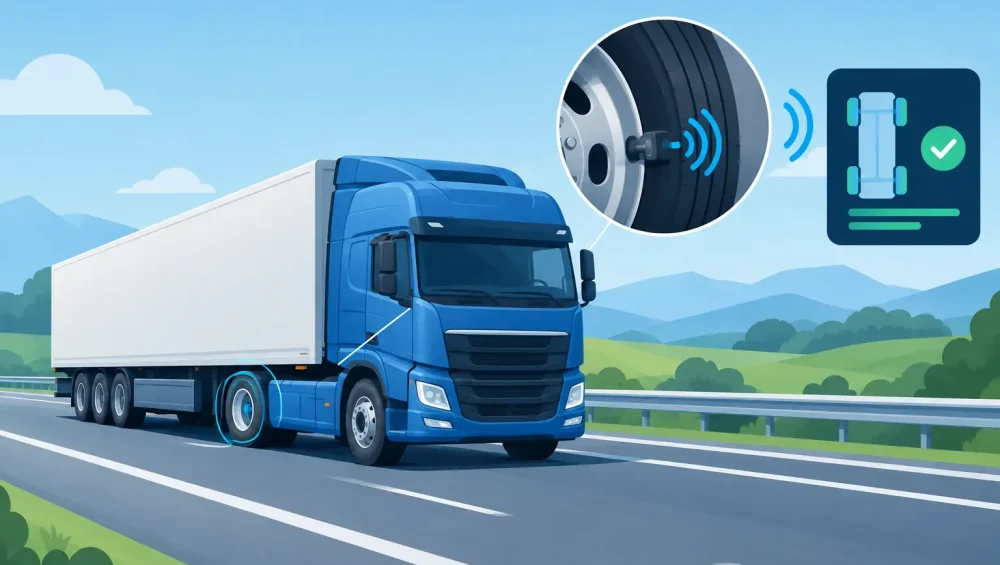
Smart tyre monitoring uses sensors and connected technology to track tyre condition while a vehicle is operating. Most systems measure tyre pressure and temperature, then send the readings to a display in the cab, a mobile device or a fleet management platform.
The basic aim is simple: alert the driver or manager when a tyre moves outside a safe operating range. That might be a pressure drop caused by a puncture, a temperature increase caused by under-inflation, or a problem that affects more than one tyre on an axle.
On heavy vehicles, this information matters because tyres carry substantial loads over long distances. A drive from Newcastle through the Hunter Valley, up the Golden Highway or along the M1 can involve changing road surfaces, heat, grades and load conditions. Those factors all put pressure on tyres, especially on trucks, tippers, trailers and long-haul combinations.
The warning is only useful if someone acts on it
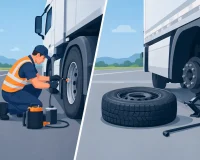
A monitoring system can identify a developing problem, but it cannot repair a puncture, replace damaged rubber or correct a wheel issue. Drivers still need clear instructions for what to do when an alert appears. Depending on the reading and road conditions, that may mean stopping safely for an inspection, reducing speed, checking the load, or arranging mobile tyre assistance.
That is where a practical response plan counts. There is a major difference between receiving an alert and having the support to get the vehicle moving again.
Why Pressure and Temperature Need Attention
Correct pressure helps a tyre carry its intended load, maintain a stable footprint and wear more evenly. When pressure is too low, the sidewalls flex excessively and generate heat. This can lead to rapid wear, casing damage and, in severe cases, tyre failure.
Over-inflation brings a different problem. The tyre may have less contact with the road, creating a harsher ride and concentrating wear through the centre of the tread. It can also reduce traction where grip is needed most.
Temperature readings add another layer of useful information. Heat can be linked to low pressure, heavy loading, braking demands, bearing or wheel-end concerns, or internal tyre damage. The sensor does not always identify the exact cause, but it gives the operator a prompt to investigate before the tyre is pushed beyond its limit.
For fleet operators, recurring alerts can also reveal patterns. If one trailer axle repeatedly runs hotter, or tyres on a particular route continually lose pressure, there may be an underlying maintenance, loading or road-condition issue worth addressing.
Where Smart Tyre Monitoring Delivers Value
The strongest case for smart tyre monitoring is not that it eliminates tyre trouble. No system can promise that. Its value is creating time to respond before a problem turns into a blowout, wheel damage or a stranded vehicle.
A slow puncture caught early may only require a controlled stop and repair. The same puncture ignored over kilometres can destroy the tyre casing and leave the truck or trailer unable to continue. Saving a casing can make a real difference to tyre costs, particularly for vehicles doing regular highway kilometres or carrying heavy loads.
Monitoring can also support more organised fleet servicing. Rather than relying only on scheduled checks or driver reports, a fleet manager can use tyre data to flag vehicles that need attention first. That does not mean skipping physical inspections. It means sending technicians and tyre support where they are needed most.
There is also a safety benefit. A driver who knows a tyre is losing pressure can make a safer call than a driver who discovers the issue only after handling changes, smoke or complete failure. On busy roads, remote job sites and loaded runs, early information is valuable.
Smart Tyre Monitoring Is Not Set-and-Forget
The technology works best when it is part of a broader tyre maintenance routine. Sensors need to be fitted correctly, paired with the right vehicle or trailer, maintained and checked for battery life where applicable. Alert thresholds must also suit the tyre, axle load and operating conditions.
A generic setting may not be right for every application. A local rigid truck, a loaded tipper, a B-double and an agricultural trailer can have very different tyre pressures and work demands. Setting alerts too tightly can create constant false alarms. Setting them too loosely may mean the warning arrives too late to be useful.
Drivers also need to understand the difference between a warning that needs immediate action and one that requires a check at the next safe opportunity. The goal is not to create panic in the cab. It is to give drivers useful information and a clear process.
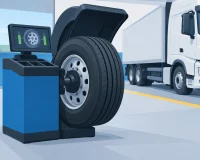
Physical checks still matter. A sensor cannot always show visible sidewall damage, tread cuts, irregular wear, loose wheel nuts or a tyre that has suffered an impact. Regular pressure checks, tread inspections, wheel balancing, rotation where suitable and prompt repairs remain essential.
Choosing the Right System for Heavy Vehicles
Before fitting a system, consider how the vehicle works. The cheapest option is not always the right one if it cannot cope with multiple axles, trailers, harsh operating conditions or the number of vehicles in the fleet.
For an owner-driver, a straightforward in-cab display with pressure and temperature alerts may be enough. It gives practical information without adding another complicated platform to manage. For larger fleets, a system that records trends and reports alerts centrally may help maintenance teams plan service work and identify repeat issues.
Ask practical questions before committing. Can the sensors be moved when tyres are replaced? Will the display cover all wheels on the truck and trailer combination? Is the system easy for drivers to use? What happens if a sensor fails or loses connection? Are replacement components readily available?
It is also worth considering installation and ongoing support. Incorrectly fitted equipment can create its own problems, especially where valve stems, wheels and tyre servicing are involved. Monitoring equipment should make tyre management easier, not complicate roadside repairs.
Build a Response Plan Around the Alerts
The best operators decide what happens before an alert occurs. Drivers should know who to contact, what details to provide and whether they should stop immediately. Fleet managers should know which alerts require a mobile technician, which can wait for the depot, and how to record the issue for follow-up.
A useful response plan includes the vehicle location, tyre position, current pressure and temperature reading, load status and any visible damage. This gives the tyre technician a better picture before arriving and helps ensure the right replacement tyre, repair equipment or support is sent out.
For fleets working across the Hunter region, mobile tyre support can be the difference between a manageable delay and a lost day. Hunter Mobile Truck Tyres provides on-site pressure checks, puncture repairs, replacement tyres and emergency support for heavy vehicles that cannot afford to travel to a workshop with a tyre issue.
Pair Data With Hands-On Tyre Care
Smart tyre monitoring gives you data. Good tyre service turns that data into action. When an alert comes through, do not keep pushing the vehicle in the hope it will settle down. Check the tyre at the first safe opportunity, inspect for damage and get professional support if there is any doubt.
A well-managed tyre is safer, more economical and far less likely to disrupt a hard-earned run. Keep monitoring, keep checking and act early when the numbers tell you something is wrong.