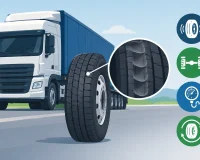
A steer tyre running low on pressure rarely announces itself when the truck is sitting in the yard. It shows up later as excess heat, uneven shoulder wear, poor fuel economy, or a roadside failure that stops the whole job. Smart tyre sensors give drivers and fleet operators an earlier warning, but they work best as part of a proper tyre maintenance plan, not as a replacement for it.
For trucks, trailers, tippers and long-haul combinations working across the Hunter and beyond, the value is simple: catch a pressure or temperature problem before it becomes costly downtime. The right setup can help protect tyres, wheels, loads and schedules. The wrong setup, or one that is ignored after installation, is just another screen in the cab.
What Smart Tyre Sensors Actually Monitor
Smart tyre sensors are commonly part of a tyre pressure monitoring system, often called TPMS. Sensors fitted inside the wheel or attached to the valve stem measure tyre pressure and, in many systems, tyre temperature. That information is sent to a cab display, a trailer monitor, or a fleet platform that can trigger alerts.
The main benefit is visibility while the vehicle is moving. A manual pressure check tells you what is happening at the time of inspection. A sensor can show a gradual pressure loss after a puncture, a damaged valve, a leaking rim, or a tyre running hotter than it should during a loaded run.
For a heavy vehicle, pressure and heat matter because they affect the tyre casing. An underinflated tyre flexes more, builds heat and can suffer internal damage well before it looks flat. Overinflation brings its own issues, including reduced contact patch, harsher ride and uneven wear through the centre of the tread. Smart monitoring helps identify changes early, when there is still a chance to pull up safely and organise a repair rather than deal with a blowout.
Why Smart Tyre Sensors Make Sense for Fleets
A single tyre failure can quickly become more than a tyre bill. There may be recovery costs, delivery delays, damaged guards or mudflaps, missed slots, lost driver hours and a frustrated customer waiting on the load. For fleets with multiple trucks and trailers, those costs add up fast.
Smart tyre sensors can be particularly useful for vehicles that spend long hours on the road, run heavy loads, work in remote areas, or change trailers regularly. They can provide a warning before the driver notices handling changes, especially on trailer axles where a deflating tyre is not always obvious from the cab.
They can also support better maintenance decisions. When tyre pressure trends are recorded over time, a fleet manager may be able to see which wheel positions repeatedly lose air, which trailers are being neglected, or where tyre temperature is climbing under certain loads. That creates a clearer basis for scheduling inspections, repairs, rotation or replacement.
Fuel is another factor. Correct inflation reduces unnecessary rolling resistance. The savings from a single truck may seem modest, but over a working fleet travelling thousands of kilometres, poor pressure management can quietly eat into the operating budget.
The best use case is early action
An alert has value only if someone acts on it. A driver who receives a low-pressure warning needs a clear procedure: reduce speed if safe, find a suitable place to stop, inspect the tyre and report the issue. The fleet needs a plan for getting support to the vehicle, particularly when it is loaded or operating away from the depot.
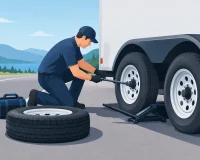
That is where a mobile tyre service matters. If a truck or trailer is stopped on the M1, Hunter Expressway, Golden Highway, a worksite or a rural route, waiting until it can limp to a workshop is not always safe or practical. On-site assessment and repair can get the vehicle moving again sooner, provided the tyre damage is suitable for repair.
Internal vs External Sensor Systems
Not all smart tyre sensors are the same. Internal sensors are mounted inside the wheel and are generally better protected from theft, impact and weather. They can be accurate and reliable, but installation usually requires tyre removal and correct programming. Battery replacement may also mean removing the tyre later.
External sensors screw onto the valve stem. They are often easier to fit and transfer between vehicles, which can appeal to owner-drivers or smaller fleets trialling the technology. The trade-off is that they can be more exposed to damage, tampering, dirt and moisture. They also need to be fitted carefully so they do not create a slow leak or interfere with valve access.
Some systems only show individual tyre readings in the cab. Others connect to telematics and fleet management software, allowing office staff to view exceptions and maintenance history. The more connected option can suit a larger operation, but it comes with subscription costs, setup time and the need to manage alerts properly.
The right choice depends on the vehicle, wheel configuration, routes, operating conditions and who will own the daily monitoring task. A system that is easy for drivers to understand and maintain is usually more valuable than a feature-heavy system nobody checks.
Sensors Do Not Replace Physical Tyre Checks
This is the part that should never be missed. Smart tyre sensors monitor pressure and temperature, but they cannot inspect tread depth, sidewall cuts, exposed cords, bulges, irregular wear, loose wheel nuts, rim damage or objects lodged in the tread. They also cannot tell you whether a tyre is legal, suitable for the load, or nearing the end of its safe service life.
Drivers should still complete pre-start checks and walk around the vehicle. Look for visibly low tyres, debris, cracking, sidewall damage and abnormal wear. Check that dual tyres have appropriate spacing and are not rubbing. Listen for air leaks around valves and inspect tyres after running through rough ground, demolition sites, paddocks or quarry access roads.
Pressure readings also need context. A tyre’s pressure rises as it heats up in service, so cold inflation pressures should be set to suit the tyre manufacturer’s load and speed recommendations. Do not let a sensor reading tempt someone into bleeding hot tyres simply because the number is higher than the cold setting. If pressures or temperatures are repeatedly outside the expected range, get the cause checked rather than chasing the reading.
Common Problems That Trigger Alerts
A low-pressure alert may be caused by a puncture, valve issue, damaged wheel, bead leak or a tyre that was never inflated correctly. A rapid drop is urgent and should be treated seriously. A slow recurring drop may seem less dramatic, but it can still damage the casing and turn a repairable problem into a replacement.
High-temperature alerts are also worth investigating. They may point to underinflation, overloading, excessive speed for conditions, braking issues, wheel-end problems or damage within the tyre. A hot tyre is not automatically a failed tyre, but it is a warning sign that needs a proper inspection before it becomes a roadside emergency.
Sensor faults happen too. Flat sensor batteries, poor signal reception, incorrect wheel positions in the display, damaged sensors and calibration errors can produce unreliable data. Treat a suspicious alert as genuine until the tyre has been physically checked. It is better to lose a few minutes investigating than lose a day to a preventable breakdown.
Building Sensors Into a Practical Tyre Plan
For owner-drivers, smart monitoring can be a useful extra set of eyes, especially on trailer tyres that are harder to keep track of. For fleets, the bigger opportunity is consistency. Set clear cold-pressure targets, record tyre positions, train drivers on alerts and make sure there is a process for repairs and follow-up inspections.
Pair sensor data with regular pressure checks, wheel balancing where required, tyre rotation, alignment checks and casing inspections. Keep an eye on recurring issues by axle and vehicle rather than replacing tyres one at a time without asking why they failed. A tyre that repeatedly overheats or wears early is usually telling you something about pressure, loading, suspension, alignment or operating conditions.
Hunter Mobile Truck Tyres can assist with on-site pressure checks, puncture repairs, tyre fitting and fleet tyre support when a sensor warning needs a real-world inspection. Fast attendance matters, but so does making the right call on whether a tyre can safely stay in service.
Smart tyre sensors are worth considering when they help your team make quicker, safer decisions. Fit them properly, set realistic alert levels and keep doing the basics. The best warning system is one that gets a problem checked before your truck, trailer or load is left sitting on the side of the road.