A truck tyre casing is more than the part left behind when tread wears down. It is the tyre’s working foundation – the internal structure that carries load, holds shape, absorbs road shock and determines whether a tyre may be suitable for repair or retreading. For owner-drivers and fleet operators, protecting the casing can mean fewer premature tyre replacements, better value from every tyre purchase and less avoidable downtime.
A casing can be damaged long before a tyre looks completely flat or worn out. Underinflation, overloading, kerb strikes, heat build-up and continued driving after a puncture can all turn a repairable problem into a tyre that needs replacing. That is why tyre checks need to be part of the job, not something saved for the next scheduled service.
What a Truck Tyre Casing Does
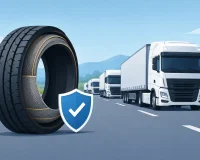
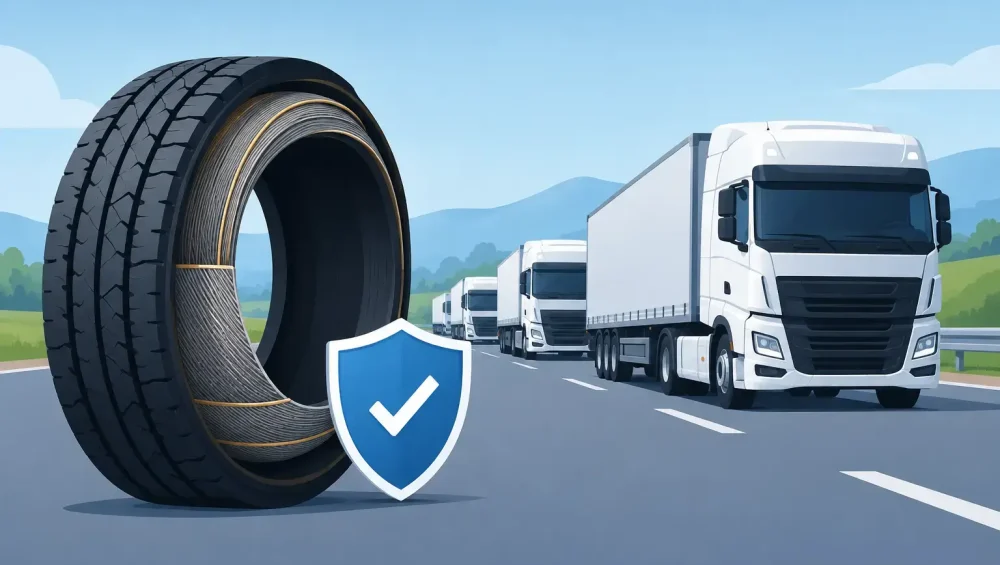
The casing is the tyre’s structural body beneath the tread. It includes layers of cords, belts, sidewalls and inner components designed to support the vehicle’s load while flexing thousands of times on every run. On a heavy vehicle, that job is demanding. Long highway kilometres, rough access roads, quarry work, stop-start delivery routes and heavy trailer loads all place pressure on the casing.
When the casing remains sound, the tyre may deliver its full expected service life. Depending on the tyre type, operating conditions and inspection outcome, a quality casing may also be assessed for retreading once the original tread has worn down. Retreading can be a practical cost-control option for some fleets, but it only works when the casing has been properly looked after from day one.
A tyre with deep tread is not automatically a good tyre, just as a worn tyre is not automatically worthless. The real question is whether the internal structure is safe and serviceable.
What Damages a Truck Tyre Casing?
Heat is one of the biggest enemies of a heavy vehicle tyre casing. A tyre running below its recommended pressure flexes too much. That extra flexing creates heat, and excessive heat can weaken the internal components even if the tyre appears acceptable from the outside.
Overloading has a similar effect. Every tyre position has a load and pressure requirement. When a truck, trailer or tipper is carrying more than the tyres are set up for, the casing works harder and runs hotter. The damage may build gradually, then show up later as a separation, sidewall failure or sudden blowout.
Road hazards also cause immediate damage. Potholes, sharp rocks, steel debris, broken road edges and kerbs can cut or bruise the sidewall. A puncture may look minor, but driving on a deflated tyre can destroy the casing internally within a short distance. Once the tyre has been run flat, there is often more damage than can be seen during a quick roadside look.
Poor wheel alignment and worn suspension components add to the problem. They can scrub tread away unevenly, expose the tyre to extra stress and shorten casing life. Dual tyres need attention too. If one tyre in a dual set is significantly lower in pressure or a different rolling diameter, both tyres can suffer.
Signs Your Truck Tyre Casing Needs Attention
Drivers are often the first line of defence. A quick pre-start check and a closer look after a hard run can catch issues before they become a breakdown on the M1, Golden Highway or a remote job site.
Watch for these warning signs:
- Repeated pressure loss or a tyre that needs frequent topping up
- Bulges, cuts, cracking or deep scuffing on the sidewall
- Uneven tread wear, particularly on one shoulder or in patches
- Vibration, pulling, unusual noise or a change in handling
- A tyre that has been driven flat, overloaded or struck hard by a road hazard
These signs do not always mean the casing has failed, but they do mean the tyre deserves a proper assessment. Continuing the trip and hoping it holds together can turn a manageable repair into a more expensive callout, a missed delivery or damage to guards, mudflaps and surrounding equipment.
Can a Damaged Casing Be Repaired or Retreaded?
It depends on where the damage is, how severe it is and what happened to the tyre before it was inspected. A simple tread-area puncture caught early may be repairable. Damage in the sidewall, bead area or shoulder can be much more serious because these sections are under heavy structural stress.
A professional inspection matters because internal damage cannot always be judged from the outside. A tyre that has been driven while flat may have broken cords, heat damage or internal rubbing that makes it unsuitable for repair or future retreading. Fitting it back into service without checking properly is a false economy.
Retreading is also not a shortcut for poor tyre management. The best casings come from tyres that have maintained correct pressure, operated within load limits and received repairs promptly. Fleets that treat tyre pressure and rotation as routine operating controls are more likely to get value from their casing investment than fleets that only respond after a blowout.
Protect Your Casings on Every Run
Good casing life starts with basic discipline. Check pressures when tyres are cold and use the correct pressures for the actual axle loads, tyre size and operating conditions. Do not rely on appearance alone – a tyre can be seriously underinflated without looking obviously flat.
Make tyre inspections part of driver pre-starts and workshop maintenance. Check tread depth, sidewalls, valve caps, wheel condition and signs of stones or debris lodged in the tread. Rotate tyres where appropriate, maintain wheel alignment and investigate irregular wear early. Those small actions protect the tyre and reduce fuel-wasting rolling resistance.
When a puncture happens, pull up safely as soon as practical. Do not keep driving on a soft tyre to reach the next depot or service station if help can come to you. Mobile tyre support can assess the damage on-site, repair a suitable tyre or fit a replacement where required. That keeps the decision focused on safety and getting the vehicle moving again, rather than gambling with a compromised casing.
Fast Support When a Tyre Problem Stops the Job
Tyre trouble rarely arrives at a convenient time. It can happen loaded, on the side of the road, at a customer’s yard or halfway through a night run. For operators across the Hunter, Hunter Mobile Truck Tyres provides on-site heavy vehicle tyre assistance when bringing the truck to a workshop is not practical.
Whether the job calls for puncture assessment, emergency tyre replacement, tyre fitting, pressure checks or ongoing fleet tyre management, timely action can prevent a small issue becoming extended downtime. The right solution may be a repair, a replacement tyre or a closer check of the wheel and surrounding tyres. It should always be based on the condition of the tyre, not a guess.
A well-managed truck tyre casing earns its keep kilometre after kilometre. Give it the pressure, load control and early attention it needs, and you give your truck a better chance of staying on the road when the work cannot wait.