A long-haul truck can burn through a lot of rubber between Newcastle, the Hunter Valley, the M1 and the Golden Highway. That is why a proper long haul tyre retreading guide matters to owner-drivers and fleet managers. When the right casing is retreaded at the right time, it can reduce tyre spend without cutting corners on safety, traction or reliability.
Retreading is not about fitting a cheap tyre and hoping for the best. It is a planned tyre-management decision. The casing, tread design, vehicle position, load, road conditions and maintenance history all need to stack up. Get those details right and retreads can keep productive assets on the road for longer. Get them wrong and a tyre that should have delivered another life can become an expensive roadside problem.
What long-haul tyre retreading actually involves
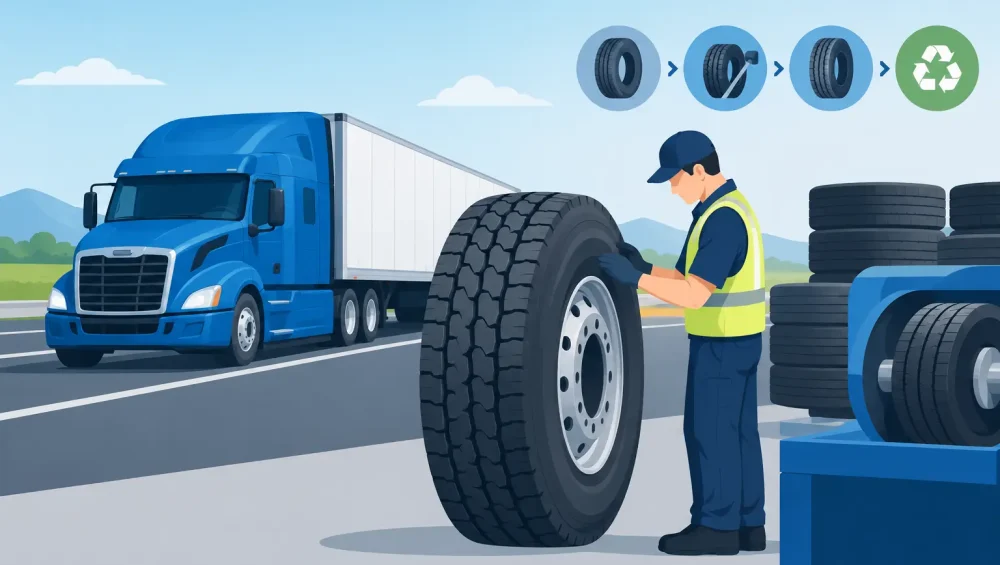
A retread starts with a worn tyre casing that still has a sound structural foundation. The old tread is removed, the casing is carefully inspected, any approved repairs are completed, and new tread rubber is applied and cured. The finished tyre is then checked before it goes back into service.
The casing is the valuable part. A quality premium casing that has been run at the correct pressure, kept within its load rating and protected from major impacts may be suitable for retreading. A casing with serious damage, exposed cords, deep penetrations, heat damage or sidewall failure generally is not.
This is why tyres should not be treated as disposable once the original tread wears down. The way a tyre is managed from its first kilometre affects whether it has a profitable second life.
Why retreads make sense for long-haul fleets
Long-haul operators work on tight margins. Fuel, wages, compliance, maintenance and downtime all add up quickly. A well-managed retread programme can lower the cost per kilometre by helping a fleet get more usable life from quality casings.
The benefit is not simply the lower purchase price. Retreading can reduce the number of new tyres a business needs to buy over time, while keeping a consistent tyre policy across trailers, drives and other approved wheel positions. It also makes practical sense from a resource perspective, as retreading reuses the casing rather than replacing the whole tyre after its first tread life.
There is a trade-off. Retreads need disciplined inspections and accurate tyre records. If your fleet regularly runs overloaded, underinflated or poorly aligned vehicles, the casing damage will quickly erase any savings. Retreading rewards preventative maintenance. It does not replace it.
Start with the casing, not the tread pattern
The best retread decision is made before the original tyre is worn out. Drivers and maintenance teams should check tyres regularly for pressure loss, irregular wear, stone drilling, cuts, bulges and damage around the bead or sidewall. Small issues caught early can protect the casing. Problems ignored for a week of hard running can make it unretreadable.
Pressure management is especially important. Underinflation creates heat and excessive sidewall flex. Overinflation can reduce the contact patch and contribute to uneven wear. Both conditions shorten casing life and can raise the risk of failure on the road.
Wheel alignment, suspension condition and correct load distribution matter just as much. A retread cannot fix a vehicle that is scrubbing tyres because of worn suspension components or incorrect axle alignment. Fix the cause first, then fit tyres that have a fair chance of lasting.
Know when a casing is worth keeping
A casing should be removed for professional assessment before it is run down too far. Running tyres until the tread is extremely low increases the chance of casing damage and can leave less usable material for the retreading process.
Keep clear records of tyre brand, size, position, kilometres, repair history and removal reason. This gives fleet managers real information rather than guesswork. Over time, the records show which tyre lines and operating positions return the best casing value for your work.
For an owner-driver, this can be as simple as recording tyre details at every service. For larger fleets, a tyre management system can track rotations, pressure checks, tread depth and casing movements across the whole operation.
Choose the right retread for the wheel position
Not every long-haul tyre should use the same tread design. Drive tyres need a pattern suited to traction, heat management and the surfaces they run on. Trailer tyres are often chosen for low rolling resistance, stability and even wear. Steer axle fitment needs particular care and must follow the tyre manufacturer’s guidance, applicable requirements and your fleet’s safety policy.
A highway trailer running sealed freight routes has different needs from a tipper working quarry access roads, farms or construction sites. A more aggressive tread may offer better grip in loose conditions, but it can wear faster or create more road noise on long sealed runs. A closed-shoulder highway design may deliver steady wear on the motorway, yet be less suitable when the vehicle regularly leaves the bitumen.
The practical answer is to match the retread to the job, not simply buy the cheapest available option. Consider axle position, average load, route type, weather, expected kilometres and whether the truck spends time on rough site access roads.
Build retreading into your tyre rotation plan
Retreads perform best as part of a planned rotation and replacement schedule. Do not wait for a blowout or a failed inspection to decide what tyres go where. Review tread depth and tyre condition at regular intervals, then rotate tyres where appropriate to promote even wear and preserve good casings.
When fitting tyres in pairs or across an axle group, keep sizes, tread depths and construction compatible with the vehicle manufacturer’s recommendations. Significant differences can affect handling, traction and drivetrain performance. On dual assemblies, mismatched rolling diameters can also cause one tyre to carry more load than the other.
A good tyre technician will look beyond the worn tread. They will check for signs of alignment issues, failed shocks, brake drag, loose wheel bearings and suspension faults. These are the problems that quietly chew through tyres and turn a sensible retread plan into wasted money.
Do not ignore puncture repairs and roadside damage
A puncture does not automatically mean a casing is finished. It depends on where the injury is, how large it is, whether the tyre was driven flat, and whether the repair can be completed to the required standard. A professional inspection is the only reliable way to make that call.
Driving on a deflated tyre, even for a short distance, can cause internal heat and structural damage that may not be obvious from the outside. The same applies after a severe impact, a blowout or contact with debris. If there is any doubt, take the tyre out of service and have it assessed.
For fleets working across the Hunter region, a mobile response can make the difference between a short stop and a lost shift. Hunter Mobile Truck Tyres provides on-site tyre support for trucks, trailers and fleet vehicles, helping operators deal with punctures, replacements and tyre checks where the vehicle has stopped.
A simple long haul tyre retreading guide for better results
The strongest retread programmes follow a few non-negotiables: buy quality casings, maintain correct pressures, inspect tyres before damage becomes severe, match tread patterns to the job, and keep accurate tyre records. These actions protect the casing value from day one.
It also pays to set a clear removal point. Waiting until a tyre is worn beyond a practical threshold may feel economical, but it can cost more if the casing is no longer suitable for retreading. The target is not to extract every last millimetre at any cost. The target is the lowest safe, reliable cost per kilometre across the tyre’s full life.
When retreading may not be the right choice
Retreading is not the answer for every tyre or every operation. A casing with structural damage should be rejected. A vehicle operating in severe off-road conditions may need a tyre strategy focused more heavily on cut resistance and frequent inspections. Some fleets may also have specific customer, site or axle-position policies that affect where retreads can be used.
The right approach is based on the vehicle’s real workload, not a one-size-fits-all rule. Ask for an honest casing assessment and make safety the first filter. Savings only count when the tyre remains dependable.
Before your next tyre change, look at the casing you are throwing away. With the right maintenance and a professional assessment, it may still have plenty of working life left – and that could keep your truck moving while taking pressure off the operating budget.