A truck off the road doesn’t just lose a tyre – it loses time, bookings and money. That’s why heavy vehicle tyre fitting needs to be done properly the first time, whether you’re dealing with a roadside blowout, a damaged trailer tyre at the depot or a scheduled fleet changeover before the next run.
For owner-drivers, fleet managers and operators running on tight schedules, tyre fitting is not a small maintenance job. It affects safety, fuel use, wear rates and how quickly that vehicle gets back to work. A fast response matters, but so does doing the job with the right equipment, the right tyre and the right checks before the truck rolls again.
What heavy vehicle tyre fitting actually involves
Heavy vehicle tyre fitting is more than removing a damaged tyre and bolting on a replacement. On trucks, trailers, tippers and commercial equipment, every fitting job needs to account for load, application, axle position, wheel condition and the type of work that vehicle is doing.
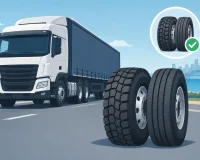
A steer position tyre has different demands from a drive or trailer position. A vehicle running highway kilometres all week has different needs from one heading in and out of quarry sites, farms or rough access roads. Fit the wrong tyre, or fit a good tyre poorly, and the problems usually show up quickly – uneven wear, poor handling, heat build-up, pressure loss or another breakdown not far down the road.
Proper fitting also includes inspecting the wheel assembly, checking for puncture damage, looking at wear patterns and making sure inflation is correct for the job. In many cases, tyre failure starts well before the blowout. The fitting appointment is often where those warning signs are picked up.
Why proper heavy vehicle tyre fitting saves downtime
The biggest cost in tyre issues is often not the tyre itself. It’s the delay. A missed delivery window, a stranded driver, a parked trailer or a machine that can’t move can cost far more than the replacement.
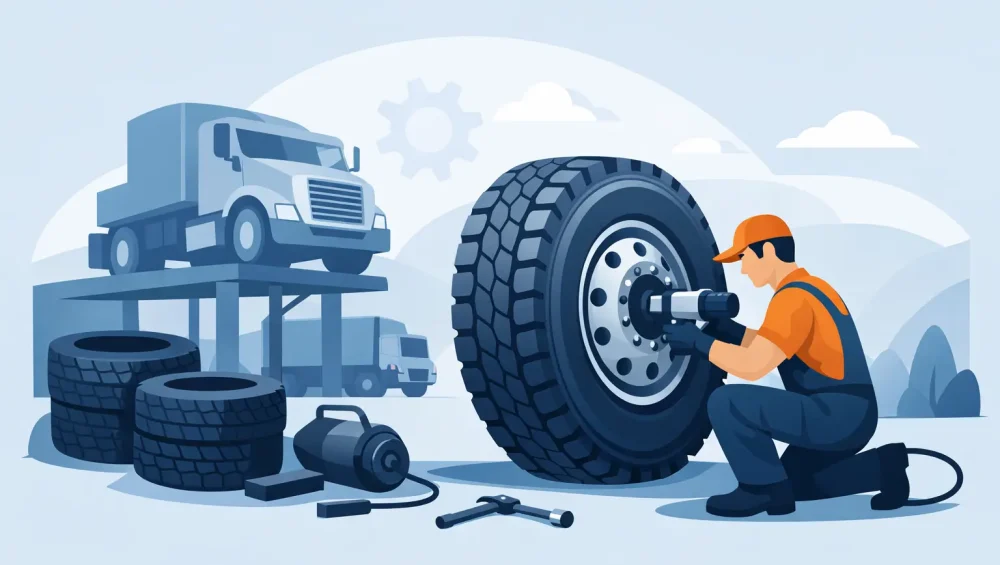
That’s where mobile heavy vehicle tyre fitting makes a real difference. Instead of sending the vehicle to a workshop and losing more hours off the road, the fitting comes to the truck. That can mean a roadside location, a freight yard, a depot, a farm, a civil job site or a rest area on a major route.
For operators across the Hunter, Newcastle and key freight corridors like the M1 and Hunter Expressway, that convenience is not a luxury. It keeps the schedule moving. When a tyre tech can assess the issue on site, fit the right replacement and carry out the basic checks there and then, you avoid the extra tow, the workshop queue and the wasted part of the day.
When mobile tyre fitting is the better option
There are plenty of jobs where a workshop still has its place. If a vehicle needs wider mechanical work or a full tyre program across multiple units at once, a planned workshop visit may suit. But a lot of heavy vehicle tyre work simply makes more sense on site.
If a truck has suffered a blowout on the shoulder, mobile service is the obvious option. The same goes for trailers parked at depots, machinery sitting on remote sites, or fleets that need tyre changes outside normal business hours. A 24/7 mobile service is built for those situations because transport doesn’t stop at five o’clock.
It also helps with planned maintenance. Rotations, pressure checks, balancing and replacement fitting can all be handled where the vehicles already are. That means less disruption for drivers and less juggling for fleet managers.
The right tyre matters as much as the fitting
One of the most common mistakes in heavy vehicle tyre work is treating every replacement as a like-for-like swap. Sometimes that works. Sometimes it doesn’t.
The best tyre choice depends on the work the vehicle is actually doing. Long-haul highway work, local freight, construction access, agricultural use and mixed-surface driving all place different demands on the casing and tread. New tyres may be the right call for some positions and applications, while quality used truck tyres can be a practical option in others when budget and operating conditions line up.
There’s always a balance between upfront cost and service life. Cheaper is not always cheaper if the tyre wears early or leaves the vehicle stranded again. On the other hand, paying for a premium option in the wrong application may not deliver much extra value. Good tyre fitting advice should be practical, not pushy.
Signs your truck needs tyre attention before a failure
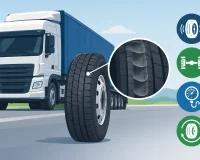
Most tyre failures give some warning, even if it’s easy to miss when the vehicle is busy and the run sheet is full. Irregular wear across the tread, repeated pressure loss, visible sidewall damage, vibration through the steering, poor handling under load and heat damage are all signs the tyre needs attention.
For fleets, patterns matter. If the same type of wear keeps appearing across several vehicles, the issue may not be bad luck. It could be inflation practices, alignment, overloading, road conditions or tyre selection. Catching those patterns early can reduce emergency callouts and stretch tyre life across the whole fleet.
That’s another reason experienced fitters matter. They are not just swapping rubber. They are often spotting the reason the tyre failed in the first place.
What to expect from a professional fitting service
A proper heavy vehicle tyre fitting service should be quick, but never rushed. Speed is valuable only when the job is still safe and reliable.
A good service starts with identifying the issue and matching the tyre to the vehicle and application. From there, the fitter should remove the damaged or worn tyre, inspect the wheel and related components, fit and inflate the replacement correctly, and confirm the assembly is ready for service. If balancing, rotation or pressure adjustments are needed, those should be handled at the same time where possible.
Communication matters too. Drivers and fleet operators need straight answers. Can the tyre be repaired, or does it need replacement? Is this a short-term fix to get moving, or the right long-term option? Are there signs the other tyres on the unit need attention soon? Clear advice helps operators make the right call without wasting time.
Heavy vehicle tyre fitting for fleets
Fleet tyre work is a different game from one-off emergency jobs. The aim is not just to respond quickly when something fails. It’s to reduce how often failures happen at all.
That means having a service partner who can handle urgent roadside replacements while also supporting regular tyre checks, rotation schedules, pressure management and planned fitting across the fleet. When those basics are managed properly, vehicles spend more time earning and less time parked.
It also gives fleet managers better control over tyre spend. Emergency replacements will always happen in transport, but they should not be the whole strategy. Planned tyre fitting usually costs less in the long run because it reduces avoidable damage, casing loss and major roadside downtime.
Why local response matters
When a heavy vehicle is down, you want someone who knows the region and can move fast. A local mobile team understands the freight routes, the industrial areas, the common breakdown points and the practical realities of getting to trucks quickly.
That matters whether the call comes from a depot in Beresfield, a roadside stop near Singleton or a job site outside Maitland. Fast service is not just about answering the phone. It’s about turning up ready to do the job with the right equipment and tyre options on hand.
Hunter Mobile Truck Tyres focuses on exactly that kind of support – practical on-site tyre service that helps heavy vehicles get back to work without the extra delay of workshop travel.
Don’t wait for the next blowout
The best time to think about tyre fitting is before a roadside failure forces the issue. If your tyres are wearing unevenly, losing pressure or getting close to the end of service life, early action is usually the cheaper and easier option.
For busy operators, that can mean booking mobile fitting at your yard, arranging fleet checks during downtime, or getting a damaged tyre assessed before it turns into a full breakdown. There are times when a repair is enough and times when replacement is the safer call. The value comes from making that decision quickly and getting the vehicle moving again with confidence.
When your truck, trailer or fleet depends on staying on schedule, tyre fitting should never be treated as an afterthought. Done right, it protects the vehicle, the load and the day’s work. That’s worth acting on before the next delay starts costing you.