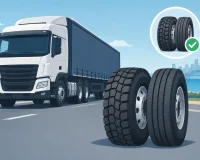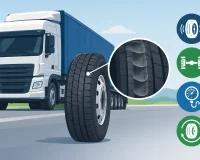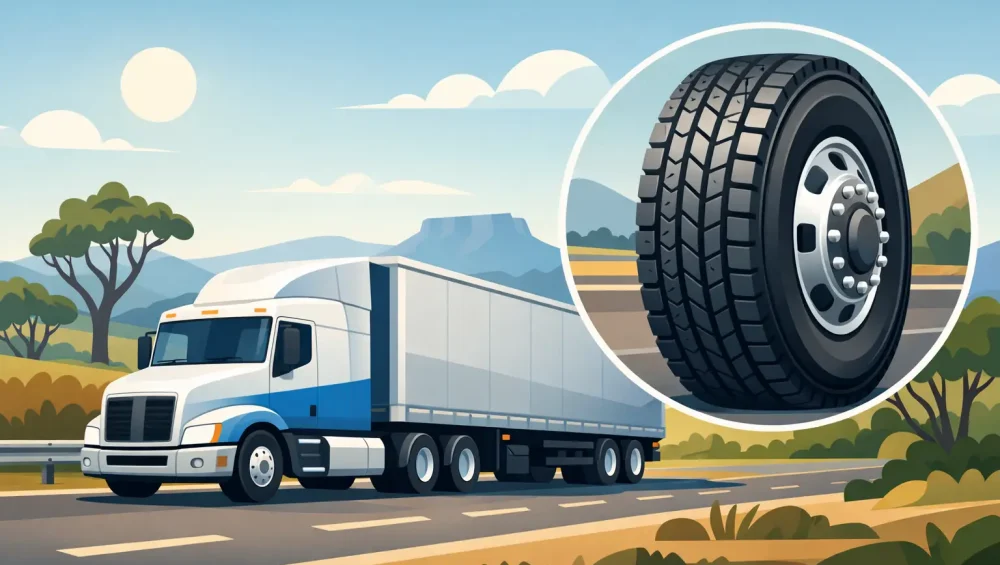
A long-haul tyre that looks cheap on the invoice can become expensive fast when it wears early, burns fuel, or leaves a loaded truck sitting on the shoulder. The best truck tyres for long haul are not simply the most expensive tyres available. They are the tyres correctly matched to your truck, axle position, route, payload and maintenance routine.
For owner-drivers and fleet operators, tyre choice affects every kilometre. It affects fuel use, handling, casing life, retread potential and, most importantly, whether the truck stays on the road earning. Here is what to look for before fitting tyres to a prime mover, B-double, rigid truck or trailer running regular long-distance work.
What makes a tyre right for long-haul work?
Long-haul operations generally need tyres that run cool, wear evenly and deliver low rolling resistance over extended highway kilometres. A tyre used mostly between Newcastle, the Hunter Valley, Sydney and further north has different demands from one working daily in quarry sites, on farm tracks or around construction jobs.
The right option depends on where the vehicle spends most of its time. If 90 per cent of the work is sealed highway running, a highway-oriented tread pattern will usually deliver better fuel economy and longer, more even wear. If the truck regularly leaves the bitumen for gravel access roads, muddy sites or rough shoulders, a more aggressive all-position or drive tyre may be the safer choice, even if it gives up some fuel efficiency.
The goal is not to chase the deepest tread or the lowest purchase price. It is to achieve the best cost per kilometre without compromising safety, traction or reliability.
Best truck tyres for long haul: match them to the axle
A common mistake is treating every tyre on the combination as though it does the same job. Steer, drive and trailer axles carry different loads and face different forces. Matching the tread design to the axle is one of the smartest ways to protect tyre life.
Steer tyres need stability and even wear
Steer tyres do the precision work. They influence directional control, braking feel and driver confidence, especially in wet weather or when passing through grooves and uneven road surfaces. Long-haul steer tyres should have a stable rib pattern designed to resist irregular wear such as feathering, shoulder wear and heel-and-toe wear.
A quality steer tyre also needs the correct load and speed rating for the application. Overloading, poor wheel alignment or worn steering components can destroy even a premium tyre quickly. If one steer tyre is wearing faster than the other, do not just replace it and keep running. Find the cause before the new tyre suffers the same fate.
Drive tyres need traction without excessive scrub
Drive tyres transfer power to the road, so they need enough grip for wet roads, hill climbs, starts and mixed conditions. For highway work, look for a drive pattern designed for long wear and heat control rather than an overly open lug pattern intended for severe off-road traction.
An aggressive drive tread can be useful for a tipper, agricultural truck or vehicle regularly working unsealed sites. But on consistent highway routes, it may wear faster, create more noise and increase rolling resistance. It is a trade-off worth discussing with a tyre professional before fitting a full set.
Trailer tyres need to resist scrubbing
Trailer tyres often suffer from scrub wear, especially on multi-axle trailers turning tightly in depots, loading areas and service stations. A trailer-specific tyre with a durable, stable tread can help manage this stress and improve casing life.
Correct alignment is just as important. Trailer tyres that are dragged sideways rather than rolling straight will wear out well before their time. Regular checks are far cheaper than replacing several tyres prematurely.
Look beyond the purchase price
The cheapest tyre is rarely the cheapest to operate. A better way to compare options is to consider the full working life of the tyre: purchase cost, expected kilometres, fuel effect, puncture resistance, casing condition and whether it can be retreaded.
Premium tyres often cost more upfront but may offer better consistency, stronger casings and more predictable wear. That can make sense for high-kilometre fleet work where every percentage point of fuel economy and every avoided roadside stop matters. Reliable mid-range options can also suit operators with varied work, smaller fleets or less intense annual kilometre totals.
Used truck tyres may be appropriate in some situations, particularly as a short-term solution or for lower-risk applications. They must be carefully inspected for tread depth, casing damage, sidewall condition, repairs and age. They are not a replacement for a planned tyre program on a vehicle doing regular long-haul kilometres.
Choose the correct size, load rating and construction
Tyre size is not a detail to guess at. The tyre must suit the wheel, axle load, suspension setup and manufacturer specifications. Fitting an incorrect size or load index can affect clearance, handling, gearing, fuel use and compliance.
Check the placard requirements, axle weights and operating conditions before making a change. A truck that runs light one week and fully loaded the next needs tyres capable of handling the real workload, not just the easiest run. This is particularly important for operators carrying dense freight, running refrigerated trailers or towing multiple trailers.
Also consider the casing. A strong casing matters because it helps manage heat and may provide a sound base for retreading when the tyre reaches the end of its first life. For a high-kilometre operation, a tyre’s retread value can be part of the buying decision, not an afterthought.
Tyre pressure is where tyre life is won or lost
The right tyre can still fail early if it runs at the wrong pressure. Underinflation creates excess heat, increases rolling resistance and damages the casing. It can lead to rapid shoulder wear, separations and blowouts. Overinflation can reduce the contact patch, affect grip and cause centre wear.
Pressures should be set for the load, axle configuration and tyre manufacturer’s recommendations, then checked cold and regularly. Do not rely on a quick visual inspection. A tyre can be dangerously low while still looking acceptable at a glance.
Pressure checks should be part of every pre-trip routine, along with a walk-around inspection for cuts, embedded objects, bulges, uneven wear and rubbing marks. It takes minutes and can prevent hours of lost work on the roadside.
Watch for wear patterns before they become failures
Long-haul tyres give warning signs when something is wrong. Uneven shoulder wear may point to alignment, suspension or inflation issues. Cupping can indicate worn shocks or balance problems. Rapid drive-tyre wear may be linked to wheelspin, aggressive throttle use, incorrect pressures or an unsuitable tread pattern.
Do not wait until a tyre is bald or damaged beyond repair. Rotating tyres where appropriate, balancing wheels and correcting alignment early can extend service life and protect the rest of the tyre set. A tyre management record makes this easier, particularly across a fleet. Record fitment dates, tread depths, pressures, repairs, rotations and any abnormal wear.
Plan for the roadside, not just the depot
Even well-managed tyres can pick up a puncture or suffer damage from road debris. Long-haul operators need a recovery plan that works outside business hours, on highways, at depots and at remote job sites. A delay waiting for the right tyre size or a technician can disrupt delivery windows, driver hours and customer commitments.
Hunter Mobile Truck Tyres provides mobile truck tyre support across the Hunter region, including emergency replacements, puncture repairs, fitting, balancing and fleet tyre management. Having dependable 24/7 assistance available means a tyre issue does not automatically become an all-day breakdown.
When calling for help, provide the tyre size, axle position, truck or trailer type, location, damage details and whether the vehicle is loaded. Clear information helps get the right equipment and replacement tyre to the job faster.
Build a tyre plan around your actual routes
There is no single tyre that is best for every long-haul truck. The operator running sealed interstate freight has different needs from the tipper travelling highways between jobs, then spending afternoons on rough access roads. Your payload, axle loads, road surfaces, driving style and maintenance habits all matter.
Start with tyres suited to each axle, run the correct pressures, inspect them often and act on unusual wear early. A well-chosen tyre set does more than get the truck moving – it helps keep freight moving, drivers safer and downtime under control.