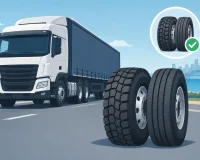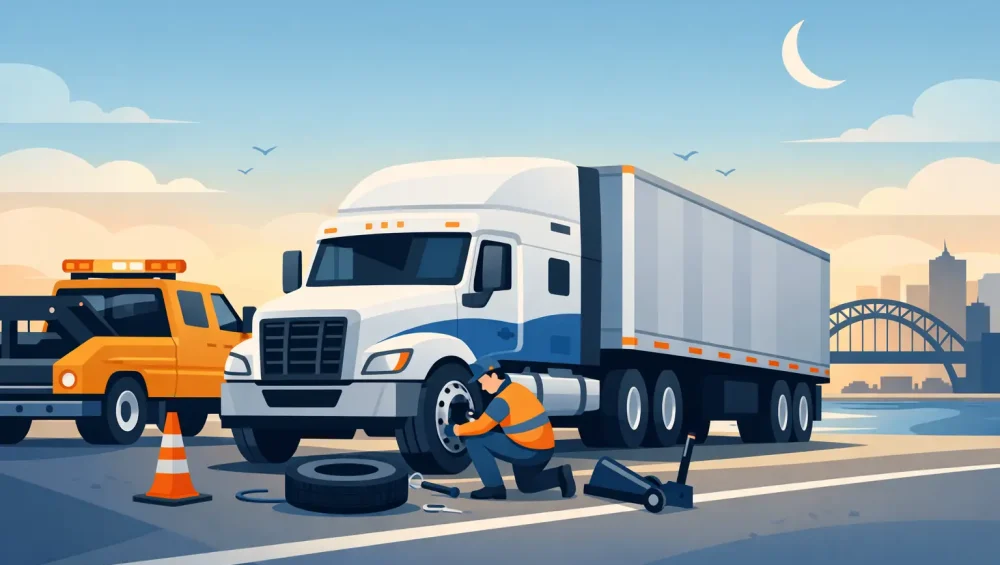
A blown steer tyre on the M1, a slow leak at a Newcastle depot or a damaged trailer tyre on the way to a Hunter Valley job can stop the whole day. When you need truck tyre roadside help Newcastle, the priority is simple: get the vehicle safe, get the right tyre solution, and get moving again without wasting hours travelling to a workshop.
For owner-drivers, transport companies, earthmoving crews and fleet managers, tyre downtime is never just a tyre problem. It can mean a missed delivery slot, a delayed load, an idle driver, unhappy customers and a truck stranded where it should not be. Mobile heavy vehicle tyre support puts the repair or replacement where it is needed – at the roadside, depot, farm, work site or lay-by.
When a Truck Tyre Problem Needs Immediate Help
Not every tyre issue looks dramatic at first. A puncture may begin as a pressure warning or a tyre that appears slightly low during a pre-start check. On a loaded truck or trailer, though, continuing with insufficient pressure can quickly damage the casing, affect handling and turn a repairable issue into a replacement.
A sudden blowout is more obvious, but the response still matters. Pull over as safely as conditions allow, keep clear of live traffic, use hazard lights and follow your site or company safety procedures. Avoid attempting a roadside wheel change yourself unless you have the correct equipment, training and a genuinely safe work area. Heavy vehicle wheels are not a quick roadside job, particularly on uneven ground, narrow shoulders or busy highways.
Mobile tyre assistance is also the right call when a tyre has sidewall damage, exposed cords, a deep cut, a failed valve, severe irregular wear or a wheel issue that may be affecting the tyre. These faults need an experienced inspection. Fitting a spare may get a truck rolling temporarily, but it does not always address why the tyre failed in the first place.
Truck Tyre Roadside Help Newcastle Keeps Work Moving
The biggest advantage of a mobile tyre service is less lost time. Rather than limping a truck to a tyre shop, arranging a tow, or pulling another vehicle off a run, a technician comes to the vehicle with the tools and tyre options needed for the job.
That can include puncture assessment and repair where the damage is suitable, emergency tyre replacement, tyre fitting, pressure checks and support after a blowout. For trucks, tippers, prime movers, trailers and long-haul combinations, the correct tyre type and load rating matter. A fast solution should still be a safe, suitable one.
Hunter Mobile Truck Tyres provides 24/7 mobile support across Newcastle and the wider Hunter region, helping heavy vehicles get back on the road or safely prepared for the next step. Whether the truck is stopped near Beresfield, on the Hunter Expressway, at a Tomago industrial site or out on a regional run, the aim is to reduce disruption and keep the job moving.
What a Mobile Tyre Technician Needs From You
Clear details at the start help speed up the response. Have the truck or trailer location ready, including the nearest suburb, road, direction of travel, landmark or depot name. If you are on a highway, give the safest accurate description possible rather than walking around the vehicle to find signage.
It also helps to provide the tyre size, position and axle if you can read them safely. Let the technician know whether the tyre is flat, damaged, shredded, losing air slowly or completely off the rim. Include the vehicle type, load status and whether there is a usable spare available. A photo can be useful when it is safe to take one, but never put yourself in danger to get it.
These details allow the service vehicle to arrive better prepared with the right equipment and tyre options. They also help assess whether an on-site repair is likely, whether a replacement is needed, or whether the safest outcome involves further recovery support.
Repair or Replacement? It Depends on the Damage
A puncture through the tread area may be repairable if the tyre has not been run flat and the internal inspection confirms the casing is sound. A repair is not simply a plug pushed into a hole. On a heavy vehicle tyre, the damage must be assessed properly so the tyre can return to service safely.
Replacement is normally the better option when there is sidewall damage, belt separation, significant heat damage, exposed steel, a large tread injury or a tyre that has been driven while flat. Continuing on a compromised casing is a false economy. It risks another roadside stop, potential wheel damage and a much bigger delay later in the run.
The right choice can also depend on the axle position, remaining tread on matching tyres, the work the vehicle does and how soon it needs to return to service. A local tipper working rough access roads has different tyre demands from a highway freight truck covering long distances each week. Experienced mobile tyre support considers the job, not just the immediate hole in the tyre.
Do These Things While You Wait
Your first job is safety. Park as far from moving traffic as practical, on stable ground where possible, apply the parking brake and use hazard lights. Keep passengers and crew away from the traffic side of the vehicle. If the tyre failure has damaged guards, airlines, mudflaps or other components, do not crawl underneath to inspect it at the roadside.
If the truck is carrying a load, avoid unnecessary movement until the tyre has been checked. Driving a short distance on a flat tyre can destroy a casing that may otherwise have been saved. It can also damage the rim and leave the truck in a worse position.
Use the wait time to notify dispatch, the customer or the site contact early. Giving people a realistic update is better than hoping the delay disappears. For fleet operators, record the tyre position, odometer reading and symptoms where practical. That information can help identify repeat wear patterns and prevent another unplanned stop.
Preventing the Next Roadside Tyre Callout
Emergency roadside help is there when you need it, but a planned tyre routine can reduce how often you need it. Regular pressure checks are one of the simplest and most valuable habits. Underinflation generates heat, shortens tyre life and raises the chance of casing damage. Overinflation can reduce the contact patch and contribute to uneven wear, depending on the application.
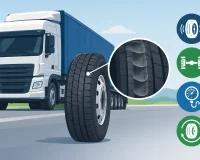
Drivers should also look for cuts, bulges, stones lodged in tread, cracking, uneven shoulder wear and objects that may have penetrated the tyre. These checks take minutes at the start of a shift and can prevent a tyre failure halfway through a run. If a driver notices a vibration, pulling, unusual noise or repeated pressure loss, it is worth acting before the vehicle is fully loaded or back on the highway.
For fleets, tyre rotation, wheel balancing where appropriate and regular condition reporting can make tyre spending more predictable. It also gives managers a clearer picture of which vehicles, routes or sites are creating premature wear. Rough quarry access, sharp debris at worksites, poor alignment and overloaded axle groups all leave clues in the tyres.
Keep the Right Details in the Cab
A practical tyre plan does not need to be complicated. Keep tyre sizes, preferred tyre specifications, fleet unit details and your roadside tyre contact available in the cab or dispatch system. If your operation uses particular tread patterns or tyre brands, note that too. In an urgent situation, those details save time and reduce guesswork.
It is also sensible to inspect spares. A spare that is flat, aged, mismatched or inaccessible is not much help during a breakdown. Make sure it is serviceable and that the vehicle has the correct wheel and tyre information recorded.
Fast Help for Newcastle Trucks, Trailers and Fleets
Roadside tyre trouble does not wait for business hours, and neither should your support. Whether it is a single truck with a puncture, a trailer with a damaged tyre or a fleet vehicle delayed between Newcastle and the Hunter Valley, mobile assistance brings the workshop to the vehicle.
When the next tyre issue puts a run at risk, make the safe call early. Clear information, a secure roadside position and prompt mobile tyre support give your driver and your business the best chance of getting back to work with minimal disruption.