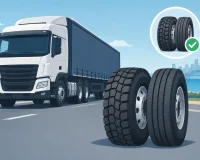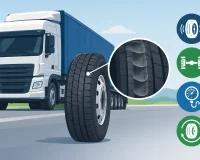
A truck can look ready to roll at first glance, then lose an hour, a load or far more because of one tyre that should never have left the yard. This roadworthy tyre compliance guide gives owner-drivers and fleet operators a practical way to check heavy vehicle tyres before minor wear becomes a roadside failure, defect notice or costly downtime.
For transport, earthmoving and agricultural operators, tyre compliance is not paperwork for paperwork’s sake. It is about keeping enough grip under braking, carrying the load safely, protecting the casing and getting home without an avoidable callout. A proper check takes minutes. Recovering from a blowout on the highway can take much longer.
What roadworthy tyre compliance means in practice
A roadworthy tyre must be safe, legal and suitable for the job it is doing. That means more than having visible tread. The tyre must have adequate tread depth, no dangerous cuts or bulges, correct inflation, a load and speed rating suited to the vehicle, and no damage that could cause failure.
For heavy vehicles in NSW, the exact compliance requirements can depend on the vehicle type, axle group, tyre construction and applicable heavy vehicle rules. That is why a good inspection considers the whole wheel-end, not just the surface of the rubber. Tyres, rims, valves, wheel nuts and dual-wheel spacing all affect safe operation.
The practical standard is simple: if you would not trust the tyre loaded up, at highway speed, on a hot afternoon or through a rough site entrance, do not put it back into service. Have it assessed before it costs you a shift.
Roadworthy tyre compliance guide: the daily checks that matter
A daily walk-around should happen before the vehicle is loaded and again after a hard run, especially when the truck has travelled rough access roads, carried uneven loads or clipped kerbs. Drivers know their equipment better than anyone. A fresh look at the tyres often catches a problem early.
Check tread depth and wear pattern
Heavy vehicle tyres need sufficient tread across the principal grooves. In general, the legal minimum tread depth is 1.5 mm, but waiting until a tyre is at the limit is poor fleet practice. Wet-road grip falls away well before the tyre is bald, and a tyre nearing the limit gives you little margin for rain, loose gravel or emergency braking.
Look for wear that is even across the tread. Wear concentrated in the centre commonly points to over-inflation, while shoulder wear can indicate low pressure, overloading or excessive scrubbing. Feathering, scalloping and patchy wear may signal alignment, suspension or balancing issues. Replacing one tyre without dealing with the cause can send the replacement down the same path.
Look for cuts, exposed cords and casing damage
A stone cut may look harmless on the shoulder, but a deep cut, exposed cords, cracking, separation, bulge or blister is not a watch-and-wait problem. Take the vehicle out of service until the tyre is professionally inspected.
Pay particular attention to tippers, trailers, earthmoving vehicles and trucks working around demolition material, quarry roads or farm tracks. Sharp rock, steel, stakes and debris can damage a casing long before the tyre goes flat. If a tyre has taken a hard hit from a pothole or road edge, inspect the sidewall and rim closely.
Set pressures for the actual load
Pressure is one of the biggest drivers of tyre life, fuel use and safety. Under-inflation creates heat, weakens the casing and increases the risk of a blowout. Over-inflation can reduce the contact patch, worsen ride and accelerate centre wear.
Check pressures when tyres are cold wherever possible and use a reliable gauge. The right pressure depends on tyre size, tyre manufacturer guidance, axle loads and how the vehicle is being used. A trailer that runs light one day and carries a full load the next may require a different pressure strategy. Do not guess, and do not bleed pressure from a hot tyre simply because the reading has risen after driving.
Inspect duals, rims and valves
On dual-wheel setups, check that both tyres are correctly inflated and have suitable clearance between them. A stone trapped between duals can rapidly damage both casings. Mismatched rolling diameters or major differences in tread depth can also place extra strain on the pair.
Look for bent, cracked or damaged rims, leaking valves and missing valve caps. Check wheel nuts for obvious looseness, rust trails or movement. These faults are not always tyre faults, but they can become tyre failures quickly when left unattended.
Match tyres to the truck, axle and worksite
The cheapest tyre is rarely the cheapest outcome if it wears too quickly, cannot handle the load or leaves a truck stranded. Tyre selection needs to suit the axle position and the work. Steer tyres, drive tyres and trailer tyres face different demands, while long-haul highway running requires a different focus from short-haul quarry, construction or agricultural work.
Before fitting a tyre, confirm that its size, load index and speed category are suitable for the vehicle and its operating conditions. Also consider whether it is compatible with the other tyres on that axle. Mixing tyre types, heavily uneven tread depths or unsuitable casings can affect handling, traction and wear.
Used truck tyres can be a sensible option where the tyre has been properly inspected and is suited to the application. They are not the right choice when the casing condition is uncertain, the truck runs at maximum loads, or the job involves sustained high-speed work. A professional tyre technician can help weigh up the immediate saving against casing life, retread potential and risk of downtime.
Keep proof of inspections and repairs
A roadworthy vehicle is easier to defend when its maintenance is documented. For fleet operators, recording tyre inspections, pressures, rotations, puncture repairs and replacements helps identify repeat faults before they become expensive.
A basic record should note the vehicle registration or fleet number, tyre position, date, tread reading, pressure, damage found and action taken. This creates a clear trail for managers and drivers, and it makes it easier to spot a wheel position that keeps losing pressure or an axle that is chewing through tyres.
Drivers should report vibration, pulling, steering changes, repeated pressure loss or unusual heat straight away. Those signs may point to a tyre issue, but they can also reveal alignment, brake or bearing faults that need attention before the vehicle returns to the road.
When a repair is safe and when replacement is the answer
Not every puncture means a new tyre. A repair may be possible when the damage is within a repairable area and the casing has not been compromised. The tyre needs a proper internal inspection before a repair decision is made. A plug pushed into a hole from the outside is not a full assessment of a heavy vehicle tyre.
Replacement is generally the safer call when there is sidewall damage, exposed cords, a bulge, separation, major bead damage or evidence the tyre has been run flat. Continuing on a compromised tyre can destroy a usable casing, damage the truck and put the driver and other road users at risk.
That is where mobile support makes a real difference. Rather than attempting a risky temporary fix or sending a damaged truck across the region to a workshop, a qualified technician can assess the tyre where the vehicle is stopped. Hunter Mobile Truck Tyres provides 24/7 mobile tyre support for trucks, trailers and fleet vehicles across the Hunter and surrounding routes, helping operators get a safe solution without losing more time than necessary.
Make compliance part of the shift, not a last-minute scramble
Tyre compliance works best when it is built into normal operations. Give drivers enough time for a genuine pre-start check. Keep a working pressure gauge in the cab or depot. Act on small defects before dispatch, and schedule rotations, balancing and alignment checks based on the work the truck actually performs.
A tyre that is legal today may not be suitable for another week of loaded runs. The best time to arrange an inspection is when the truck is parked and the choice is yours, not when a damaged tyre has stopped it on the shoulder. Keep the vehicle moving safely by treating every tyre check as protection for your driver, your load and tomorrow’s job.