When the rain sets in across the Hunter, the best tyres for wet haulage are the ones that keep water moving out of the tread, maintain predictable braking, and stay stable under a loaded truck or trailer. A wet road turns small tyre issues into real downtime risks. Worn shoulders, incorrect pressures and a tread pattern that is wrong for the job can all lead to wheelspin, longer stopping distances and costly roadside delays.
For an owner-driver or fleet manager, choosing wet-weather tyres is not about chasing one tyre brand or one aggressive-looking pattern. It is about matching the tyre to the axle, the load, the surface and the kilometres your vehicles cover. Get that right, and you give drivers a safer, more controlled run through rain, road spray and changing site conditions.
What Makes the Best Tyres for Wet Haulage?
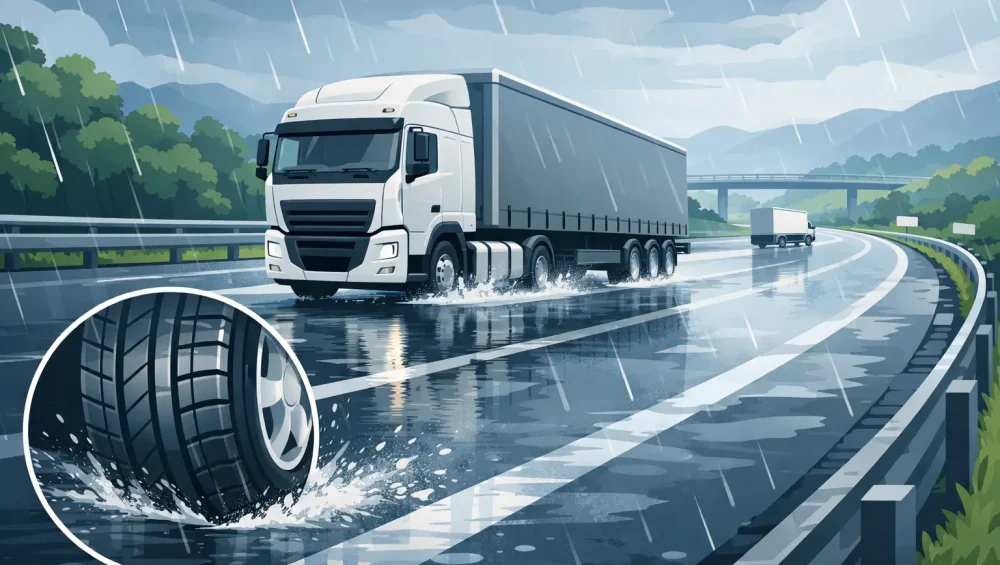
Wet performance begins with tread design. A tyre needs channels and grooves that clear water from the contact patch quickly. If water cannot escape, it can sit between the rubber and the road surface, reducing grip and raising the risk of aquaplaning. For heavy vehicles, that loss of control can be particularly serious when braking downhill, cornering with a load or travelling on a wet highway.
Look for a commercial tyre with an open enough tread pattern to disperse water efficiently, while still offering a solid contact area for stability and wear. Deep grooves help, but depth alone is not the whole story. The placement of sipes, blocks and channels affects how the tyre grips wet bitumen. A quality truck tyre designed for regional or highway work will generally balance wet traction, handling and heat resistance better than a tyre selected only because it has the lowest purchase price.
The rubber compound also matters. Tyres that stay flexible across cooler, wet conditions can create better grip than hard, aged rubber. This is one reason a tyre may look as though it still has usable tread but no longer perform confidently in the rain. Cracking, hardening and uneven wear are warning signs that deserve attention before the next loaded trip.
Match the Tyre to the Axle and the Work
There is no single best tyre for every wet-haulage job. A B-double running long distances on the M1 has different needs from a tipper heading between a quarry, a farm track and wet local roads. The right choice depends on where the truck spends most of its working life.
Steer tyres need precise water evacuation
Steer tyres play a major part in wet braking and directional control. Their job is to keep the truck tracking straight, respond properly through corners and resist wandering in standing water. A steer tyre with uneven wear, poor alignment or worn shoulders can make a vehicle feel unsettled long before a driver reaches the legal minimum tread requirement.
For highway and regional freight, choose steer tyres built for stable wet-road handling and long, even wear. Keep alignment and balancing in check as well. A good tyre cannot deliver its best grip if the wheel is scrubbing away tread because of an alignment issue.
Drive tyres need traction without excessive movement
Drive tyres must transfer power to the road, especially when pulling away on a wet incline, leaving a loading bay or working across damp hardstand. A deeper, more open drive pattern can provide stronger traction in wet and loose conditions, but there is a trade-off. Highly aggressive patterns may wear faster or create more road noise during constant sealed-road running.
For mixed operations, a regional drive tyre often makes sense. It offers stronger bite than a pure long-haul pattern but remains suitable for regular bitumen kilometres. If your trucks frequently access muddy sites, steep private roads or unsealed approaches, the need for traction may outweigh the benefit of maximum highway wear.
Trailer tyres need stability and even wear
Trailer tyres are sometimes overlooked because they are not steering or driving the vehicle. Yet a trailer with poor tyres can lose stability, slide under brakes or suffer rapid wear that leads to a puncture or blowout. Wet haulage places extra demand on trailer tyres during braking, lane changes and roundabout turns.
Use tyres suited to the trailer’s load, axle configuration and normal surface. Inspect them closely for scrub wear, damage and inflation loss. A trailer tyre running soft can build heat quickly, damage its casing and become a weak link in the whole combination.
Tread Depth Is Your Wet-Weather Safety Margin
Legal tread limits are not a target for wet operation. Once grooves become shallow, the tyre has less room to move water. The result can be reduced grip even though the tyre may still be technically legal to use. For wet-season fleet planning, replacing tyres before they reach their limit gives drivers a far better safety margin.
Check tread across the full width, not only in the centre. Centre wear often points to overinflation, while shoulder wear can indicate underinflation, overloading or alignment problems. Cupping and irregular patches can signal suspension or balancing issues. These patterns matter because they reduce the tyre’s ability to hold the road evenly in rain.
A simple pre-start visual check can prevent a bigger issue later. Drivers should look for exposed cords, stones or debris in the tread, bulges, cuts, cracking and signs of dual tyres rubbing. Any of these faults can quickly worsen when the tyre is carrying a load through wet conditions.
Get Pressures Right Before the Load Goes On
Tyre pressure is one of the biggest factors in wet grip, casing life and fuel use. Underinflated tyres flex excessively, generate heat and allow the tread to move around more than it should. That can make handling less stable and increase the chance of tyre failure. Overinflated tyres reduce the size of the contact patch and can contribute to reduced grip and uneven wear.
Use the tyre manufacturer’s load and inflation guidance for the actual axle load, not a rough guess based on what the truck carried last week. A vehicle that runs empty one day and heavily loaded the next may need pressure management that reflects its work. Duals also need matching pressures and comparable tread diameters, otherwise one tyre can end up carrying more than its share.
Pressure checks should be carried out when tyres are cold wherever possible. If a driver notices a tyre that looks low, is running hotter than others or has an unusual wear pattern, it needs investigation. Topping it up without finding the cause can hide a slow puncture, valve issue or wheel problem.
Avoid Mixing Tyres Without a Plan
Mixing random tread patterns, casing conditions or tread depths across an axle can compromise handling in the wet. The difference may seem minor in dry weather, but rain exposes it. One tyre may clear water better, flex differently or lose traction earlier than its partner, creating uneven braking and pulling behaviour.
Where possible, fit matched tyres across the same axle position. If a replacement is needed after a puncture or blowout, make sure it has the correct load rating, size, construction and intended application. A used truck tyre can be a practical value option when it has been properly inspected and matched to the job, but it should never be selected purely because it is available immediately.
Retreads can also be a sensible option for suitable fleet applications. The key is quality casing assessment, correct fitment and a clear understanding of the road conditions the vehicle will face. For severe wet site work, ongoing inspection becomes even more important.
Build Wet-Weather Checks Into Fleet Maintenance
The best tyres for wet haulage will still fail early if maintenance is left until a tyre is flat on the roadside. Regular rotations, wheel balancing, alignment checks and pressure inspections help fleets get more life from their tyres while protecting wet-road performance.
For operators running through Newcastle, the Hunter Valley, the Golden Highway or long regional routes, weather can change quickly between departure and delivery. A tyre inspection before a wet run is a practical investment in keeping the truck on schedule. It also gives the driver confidence that the vehicle will brake, steer and carry its load as intended.
Keep clear records of tyre age, repairs, rotations, pressures and tread condition. This makes it easier to spot repeat issues on a particular truck, trailer or route. A fleet that repeatedly damages shoulders on one axle may have an alignment, loading or site-access issue that new tyres alone will not solve.
When a puncture, casing failure or blowout does happen, fast action keeps a tyre problem from becoming a missed delivery. Hunter Mobile Truck Tyres provides mobile heavy vehicle tyre support, fitting and emergency assistance where the vehicle is stopped, helping operators reduce workshop travel and get moving again.
Wet roads do not allow much room for shortcuts. Choose tyres for the work they actually do, keep their pressures and tread condition under control, and deal with early warning signs before the next downpour turns them into downtime.