A tyre that looks right in the yard can be the wrong tyre halfway through a loaded run. On the Hunter Expressway, the M1, a quarry access road or a long-haul route past Singleton, the consequences show up quickly: excess heat, rapid wear, poor traction, a casing failure or an unplanned stop. Heavy vehicle tyre selection is not just about finding the cheapest tyre in the right size. It is about keeping your truck, trailer or plant moving safely and profitably.
For owner-drivers and fleet managers, every tyre decision needs to account for the work the vehicle actually does. A long-distance prime mover, a tipper working in rough conditions and a trailer doing local depot runs all place different demands on their tyres. Get the match right and you can reduce downtime, protect fuel economy and get more useful life from every casing.
Start Heavy Vehicle Tyre Selection With the Job
The first question is simple: where does the vehicle spend its working life? The answer matters more than a brand name or a low upfront price.
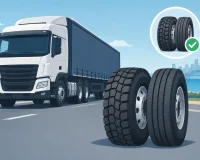
Highway trucks need tyres designed to run cooler and wear evenly over long distances. Their priority is often fuel efficiency, predictable handling and long casing life. A tyre with a highway-focused tread can be a smart investment for regular interstate or regional freight work, but it may not hold up well when it is constantly driven through mud, loose gravel or construction sites.
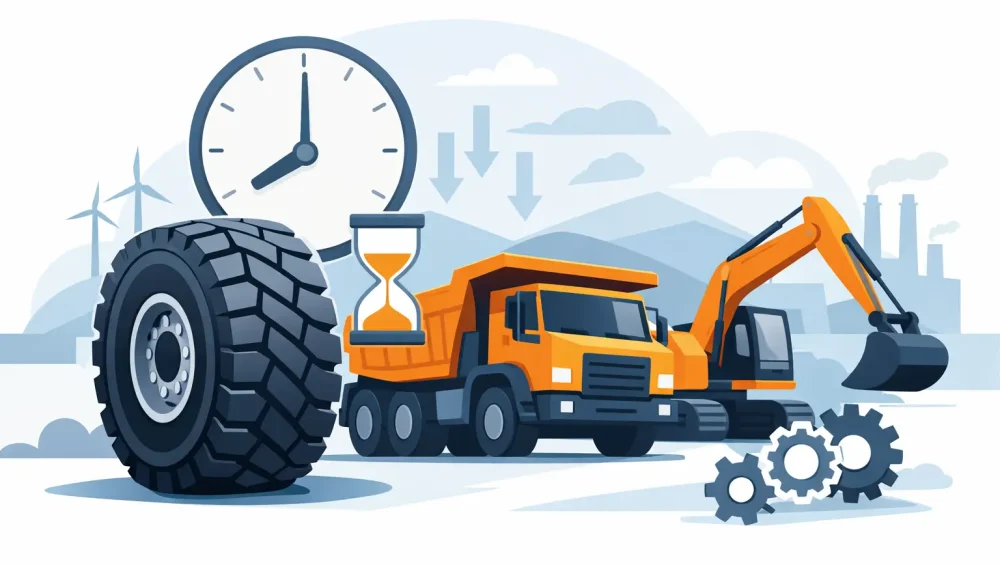
Tipper trucks, earthmoving gear and vehicles servicing farms, mines or civil works need a tougher approach. These jobs can call for deeper tread, stronger sidewalls and a pattern that clears mud and grips loose surfaces. The trade-off is that aggressive tread can wear faster or create more rolling resistance on sealed roads. There is no single best tyre for every route – there is only the right tyre for the balance of on-road and off-road work you do.
If your truck is moving between Newcastle depots, rural sites and the Golden Highway in the same week, be honest about where it spends most of its kilometres. Choosing for the occasional difficult job rather than the everyday job can cost you in wear and fuel over time.
Match the tyre to the axle position
Steer, drive and trailer axles do different work, so they should not automatically wear the same tyre pattern. Steer tyres need stable handling, accurate tracking and even wear. Drive tyres need traction and the ability to transfer power under load. Trailer tyres need to carry their share of the load while resisting scrub and irregular wear.
Fitting a drive pattern where a steer tyre is required, or mixing unsuitable patterns across an axle, can affect handling and shorten service life. The tyre’s load and speed ratings must also suit the vehicle and the legal operating conditions. If you are unsure, get the tyre specification checked before fitting. It is far cheaper than finding out after a failure or a defect notice.
Load Rating Is Not a Detail
A heavy vehicle tyre is only as capable as its load rating, inflation pressure and condition allow. Overloading a tyre creates excess heat, and heat is one of the quickest ways to damage the casing from the inside. The outside may appear serviceable until the tyre fails without much warning.
This is especially relevant for operators whose loads vary. A truck that is lightly loaded on one run and fully loaded on the next still needs tyres and pressures suitable for its heaviest legitimate working load. Tippers, tankers, livestock carriers and trailers can see major changes in axle weight depending on how they are loaded and where the weight sits.
Do not rely on guesswork. Check the tyre placard, manufacturer specifications and actual axle weights where possible. Make sure dual tyres are correctly matched in size and wear, too. A mismatch means one tyre can carry more load than its partner, creating heat and uneven stress that reduces the life of both.
Pressure Protects Your Investment
Pressure checks are one of the quickest maintenance tasks and one of the easiest to put off. That makes them a common cause of avoidable tyre damage.
An under-inflated tyre flexes more, runs hotter and can wear heavily on the shoulders. It also increases rolling resistance, which can add to fuel use. An over-inflated tyre can reduce the contact patch, compromise ride quality and cause centre wear. On rough access roads, it may also make the tyre more vulnerable to impact damage.
Check pressures when tyres are cold and use a gauge you trust. Set them for the axle load and operating conditions, not simply because that is what was used last time. If a tyre repeatedly loses pressure, treat it as a fault to investigate, not something to keep topping up. It could be a puncture, valve issue, wheel damage or a developing casing problem.
For fleets, regular pressure checks create useful records. They can reveal a recurring issue on a particular trailer, route or wheel position before it becomes a roadside callout.
Read Wear Before It Becomes a Blowout
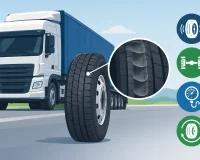
Tyres provide plenty of warning signs when something is wrong, provided someone is looking. Uneven shoulder wear can point to under-inflation, alignment trouble or worn suspension components. Feathering and rapid one-sided wear may indicate wheel alignment issues. Cupping can suggest balance, shock or suspension problems. Cuts, exposed cords, bulges and stones lodged deep in the tread need immediate attention.
A daily walk-around does not need to take long. Look at both sides of the tyre where safe to do so, check for obvious damage, and pay attention to tyres that look lower than the rest. Drivers are usually the first people to notice a handling change, vibration or pull through the steering wheel. Reporting it early gives you the option of a planned repair or rotation instead of a breakdown recovery.
Rotation can also extend tyre life where the tyre type, axle position and manufacturer guidance allow it. However, rotation is not a cure for mechanical faults. If the vehicle is wearing tyres unevenly, fix the cause before fitting fresh rubber.
New, Used or Retreaded: Choose on Risk, Not Just Price
There is a place for new, used and retreaded truck tyres, but the right option depends on the vehicle’s role and the condition of the tyre.
New tyres are often the sensible choice for high-kilometre steering positions, demanding long-haul work and applications where casing life matters most. A quality new tyre may have a higher purchase price, but its wear rate, fuel performance and retread potential can deliver better value over its full life.
Used tyres can be practical for certain lower-risk applications, temporary replacements or equipment that does not travel long distances at highway speed. The condition, repair history, tread depth, age and casing integrity all need to be assessed properly. A cheap used tyre is not good value if it leaves you stranded on the next run.
Retreaded tyres can offer strong value in suitable applications when they are built on sound casings and managed correctly. As with any tyre, the fitment position, load, route and maintenance standards matter. The key is buying based on the work, not assuming the lowest purchase price is the lowest operating cost.
Build Tyre Support Into Your Fleet Plan
The best time to organise tyre support is before the truck is parked on the shoulder. Keeping tyre records, checking pressures, scheduling inspections and replacing worn tyres before they become dangerous helps protect delivery times and driver safety.
For busy operators, mobile tyre support adds another layer of protection. Hunter Mobile Truck Tyres can inspect, repair, fit or replace heavy vehicle tyres on-site, whether the vehicle is at a depot, a work site or stranded roadside. That means less time organising a tow or sending a driver to a workshop, and more time focused on getting the job moving again.
Before the next loaded run, take five minutes to check tread, pressure, sidewalls and visible damage. That small habit can be the difference between arriving on time and waiting beside a disabled truck for help.