A tyre failure on a quarry haul road is more than an inconvenience. It can hold up loading, stop material moving and leave operators waiting on a machine that should be earning. The right quarry fleet tyres, backed by regular checks and fast on-site support, help keep that costly downtime under control.
Quarry work is hard on tyres. Tipper trucks, water carts, service vehicles and heavy trailers deal with sharp rock, rough tracks, heavy payloads, heat and constant stop-start operation. A tyre that may perform well on the highway is not automatically the right fit for a quarry site. Fleet managers need tyres selected for the actual job, maintained properly and supported quickly when the unexpected happens.
Why quarry tyre problems escalate quickly
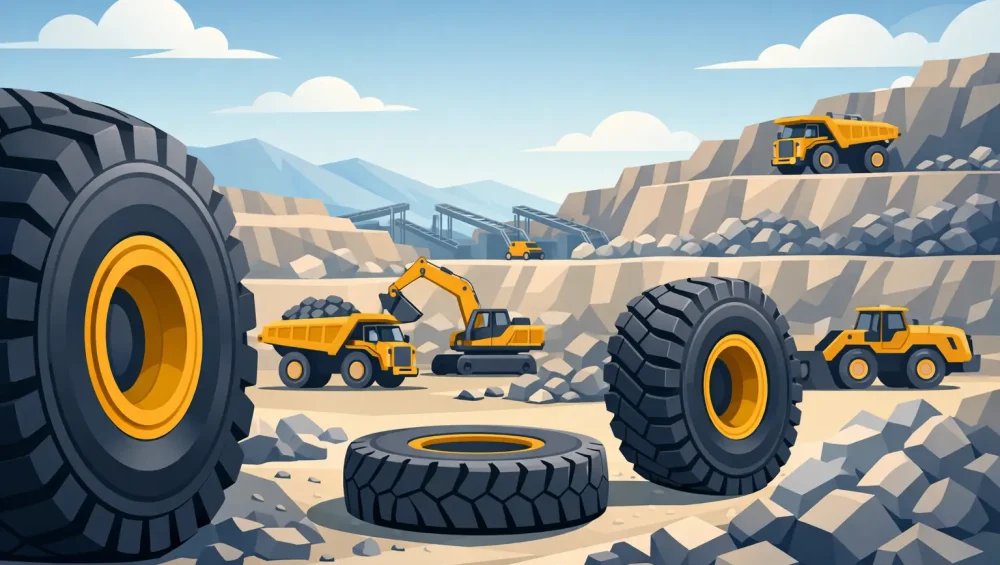
Quarry tyres operate in conditions that expose weak points fast. Loose stone can cut tread and sidewalls. Jagged material can lodge in the casing. Repeated tight turns and uneven ground create scrubbing, while heavy loads build heat through the tyre. Add incorrect pressure to the mix and even a small issue can become a roadside or site breakdown.
The real cost is rarely just the tyre. A parked truck can delay a loader, affect dispatch times and put pressure on the rest of the fleet to make up the lost work. If a failed tyre damages a rim or leaves a vehicle stranded in an unsafe position, the interruption gets bigger again.
That is why tyre management needs to be part of production planning, not something dealt with only after a blowout. A reliable mobile tyre service gives quarry operators a practical way to respond at the vehicle, whether it is at the pit, stockpile, access road or depot.
Choosing quarry fleet tyres for the job
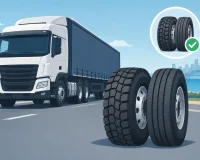
There is no single best tyre for every quarry vehicle. The right option depends on vehicle type, load, travel distance, road surface, speed and how much time the truck spends on public roads. A tipper doing short, loaded runs over rough site tracks needs a different balance from a truck travelling from the quarry to customers on the highway.
Start with the operating conditions
Look closely at where each vehicle is working. Sharp, abrasive rock calls for a tougher tread and strong casing protection. Softer, loose surfaces may require a pattern that provides better traction and clears material effectively. Vehicles that regularly move between quarry roads and sealed roads often need a tyre that balances site durability with stable on-road handling and acceptable wear.
It can be tempting to fit the lowest-cost tyre available, especially when several tyres need replacing at once. But the purchase price is only one part of the decision. A cheaper tyre that cuts easily, wears rapidly or causes repeated downtime can cost more per kilometre than a quality option suited to the work.
Match load ratings and tyre pressure
Overloading and underinflation are two of the quickest ways to reduce tyre life. An underinflated tyre flexes excessively, generates heat and becomes more vulnerable to casing failure. Overinflation can reduce the contact patch and make the tyre more exposed to impact damage on rough ground.
Pressure should be checked when tyres are cold and set to suit the vehicle’s load and application. It also needs to be checked consistently, not only when a tyre looks low. Slow leaks, damaged valves and small punctures can go unnoticed until the tyre is already running hot or wearing unevenly.
Protect the casing where possible
For commercial operators, a sound casing has value. A tyre with a damaged sidewall or severe internal heat damage may not be repairable or suitable for retreading. Catching cuts, penetrations and pressure loss early gives you a better chance of saving the tyre and avoiding a more expensive replacement.
Build tyre checks into every shift
A quick walk-around before a vehicle heads into the quarry can prevent a large amount of trouble later. Drivers are often the first people to notice a change in tyre condition, steering feel or ride quality. Give them a clear process and encourage issues to be reported before they become breakdowns.
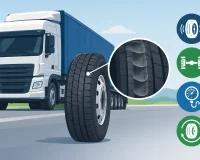
Check for visible cuts, exposed cords, lodged rocks, bulges, missing valve caps, uneven wear and tyre pressure concerns. Pay close attention to dual-wheel setups, where an inner tyre may be difficult to inspect but can still be carrying a serious problem. If one tyre in a dual set is low, the other can become overloaded and fail as well.
Regular rotation and wheel balancing also matter. Rotation can help spread wear more evenly across the fleet, while balancing reduces vibration that can affect tyres, suspension and steering components. The right schedule depends on your truck configuration and operating conditions, but leaving tyres in the same position until they fail is rarely the economical choice.
Don’t ignore uneven tyre wear
Uneven wear is useful information. It often points to an issue beyond the tyre itself. Feathering may suggest alignment trouble. Wear concentrated on one shoulder can indicate pressure, loading or suspension concerns. Cupping can be linked to worn shocks, wheel balance or mechanical wear.
Replacing a tyre without addressing the cause may get the truck moving again, but it can send the replacement down the same path. When a fleet has repeat wear patterns, it is worth reviewing alignment, suspension, wheel bearings, load distribution and driver routes through the site.
A fast response matters when a truck is down
Even with strong tyre maintenance, punctures and impact damage happen. Quarry sites are unpredictable, and a tyre can be damaged by one sharp rock at the wrong time. The priority is getting the vehicle assessed and safely back to work without unnecessary delays.
Mobile tyre support is particularly valuable for quarry fleets because it removes the need to limp a damaged vehicle to a workshop or arrange costly recovery for a repair that can be handled on-site. Depending on the damage, the tyre may be repaired, replaced or the wheel changed out so the truck can return to service sooner.
For major blowouts or tyre failures, safety comes first. Keep people clear of the vehicle, avoid working around damaged wheel assemblies without the right equipment and follow site procedures. A rushed repair in an unsafe area is not a good outcome for anyone.
Hunter Mobile Truck Tyres provides mobile heavy vehicle tyre support across the Hunter region, helping quarry and transport operators with puncture repairs, tyre replacement, pressure checks and blowout recovery where the vehicle is located. That means less time organising workshop trips and more focus on keeping the job moving.
Keep a practical tyre plan for the fleet
A good fleet tyre plan does not need to be complicated, but it should be consistent. Record tyre positions, fitment dates, pressure checks, repairs, rotations and replacement reasons. Over time, this shows which tyre patterns and brands perform best on your specific quarry routes and which vehicles are costing more than they should.
It also helps to hold suitable spare tyres for the fleet. The right spare is not simply any tyre that fits the rim. It needs the correct size, load rating and application suitability for the truck it may be fitted to. A spare that cannot safely handle a loaded quarry run is not much help when production is waiting.
For mixed fleets, separate tyre planning by vehicle role. A trailer working around site, a road-registered tipper, a service truck and a long-haul prime mover may all need different tyre priorities. Grouping them together without considering their work can lead to poor wear, unnecessary replacements and avoidable callouts.
Know when repair is the right call
Not every puncture means a tyre must be replaced. Some tread-area injuries can be professionally repaired if the tyre has not been run flat or suffered internal damage. Repairing a suitable tyre can reduce costs and get the vehicle working again quickly.
However, sidewall damage, exposed cords, major casing damage and tyres driven while flat are different matters. In those cases, replacement is often the safer and more sensible option. Trying to stretch a damaged tyre further can put drivers, equipment and production at risk.
The best approach is simple: inspect early, keep pressures right, choose tyres for the surface and load, and act quickly when damage appears. On a busy quarry site, the tyres under the fleet are part of the production chain – treat them that way, and they will give you a better chance of finishing every shift on schedule.