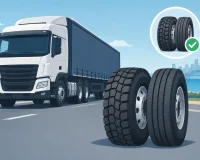
A flat tyre at 5 am on the Hunter Expressway is not a small inconvenience. It can hold up a delivery, leave a tipper stranded before a shift, or put a whole day’s work behind schedule. The right truck tyres, backed by fast mobile support, help keep drivers safe, loads moving and costly downtime under control.
For owner-drivers, transport businesses and fleet managers, tyres are working assets. They carry heavy loads, deal with long distances, take punishment from rough sites and cop changing road conditions every day. Choosing well, checking them regularly and acting quickly when there is damage makes a real difference to the bottom line.
Truck tyres are a downtime decision
A truck tyre is not simply a replacement part bought when the old one fails. Its condition affects fuel use, braking, steering response, load stability and how long a vehicle stays on the road. A tyre that is worn unevenly or run at the wrong pressure can fail sooner than expected, often at the worst possible time.
For long-haul operators, the priority is usually dependable wear, heat control and fuel efficiency over high kilometres. For tippers, earthmoving gear and vehicles working around quarries, farms or construction sites, stronger casings and damage resistance can matter more. Local delivery trucks may face constant kerb contact, tight turns and stop-start running, which creates a different wear pattern again.
There is no one tyre that suits every job. The best choice depends on the axle position, load, route, surface, kilometres travelled and the conditions the truck faces each day. Matching the tyre to the work is far cheaper than replacing a tyre early because it was never suited to the job.
Choosing truck tyres for the work at hand
Drive, steer and trailer tyres have different roles. Steer tyres need reliable handling and even wear. Drive tyres need traction, particularly when a loaded truck is leaving a wet site, climbing a grade or working on loose surfaces. Trailer tyres need to carry weight consistently and resist the scrub that can occur during tight manoeuvres.
A premium tyre can be a smart investment where high kilometres, heavy loads and continuous road work demand longer service life. In other cases, a quality used tyre may be a practical solution for a trailer, spare wheel or vehicle with less demanding work. The key is honest assessment of the tyre’s condition, size, load rating and suitability before it is fitted.
Avoid choosing on purchase price alone. A lower-cost tyre that wears out early, damages easily or increases fuel consumption can cost more over its working life. On the other hand, paying for the most expensive option is not always necessary if the truck works limited kilometres or in lighter conditions. Good tyre advice should be based on the actual vehicle and job, not a one-size-fits-all sales pitch.
Check pressure before it becomes a problem
Incorrect tyre pressure is one of the most common causes of preventable tyre trouble. Under-inflation creates extra heat and sidewall flex, increasing the chance of damage or a blowout. It can also cause irregular shoulder wear and make the truck work harder. Over-inflation can reduce the contact patch, affect ride quality and wear the centre of the tread faster.
Pressure should be checked when tyres are cold and adjusted for the load being carried. A truck running empty one day and heavily loaded the next may need close attention to keep pressures where they should be. Fleet operators benefit from making pressure checks part of a regular pre-start or maintenance routine, rather than waiting for a visible problem.
Signs your truck tyres need attention
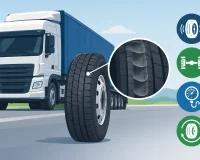
Some tyre failures happen without warning, especially after road hazards or impacts. Many others show early signs that are easy to spot during walk-around checks. Uneven tread wear, cuts, bulges, exposed cords, cracked sidewalls, repeated pressure loss and vibration through the steering are all reasons to have the tyre inspected.
A vehicle pulling to one side, steering that feels different, or a trailer that starts scrubbing tyres may point to alignment, suspension or wheel issues as well as tyre wear. Replacing tyres without addressing the underlying cause can lead to the same problem returning quickly.
Drivers should also pay attention after hitting a pothole, debris or kerb. Damage may not always be obvious from the outside. A quick professional inspection can prevent a minor impact from becoming a roadside emergency further down the road.
Rotation and balancing protect tyre life
Tyre rotation helps spread wear more evenly where the vehicle setup allows it. Wheel balancing reduces vibration and can support a smoother ride, better handling and longer tyre life. These services are particularly worthwhile when tyres have been replaced, repaired or are showing unusual wear.
They are not magic fixes. Balancing will not repair a damaged tyre, and rotation will not solve worn suspension parts or poor alignment. But when included in a planned maintenance approach, they can help get more safe, usable life from each tyre.
When a puncture can be repaired
Not every puncture means a tyre must be replaced. A repair may be possible when the damage is in a repairable area, the tyre has enough sound tread remaining and there has been no internal damage from being driven flat. The tyre must be removed and properly assessed before a safe repair decision can be made.
Damage to the sidewall, major cuts, exposed cords, severe bead damage or a tyre run while flat often means replacement is the safer option. For heavy vehicles, taking chances with a questionable casing is not worth the risk to the driver, the load or other road users.
Fast advice matters when a truck is stopped with a puncture. A mobile technician can assess the tyre on site, carry out an appropriate repair where safe, or fit a replacement so the vehicle can get back to work without the delay of travelling to a workshop.
24/7 mobile support when tyres let you down
A blowout does not wait for business hours. It can happen on a regional highway, at a depot after dark, on a remote job site or while a driver is trying to make a delivery window. That is where mobile truck tyre support earns its place.
Hunter Mobile Truck Tyres provides on-site tyre fitting, puncture repairs, pressure checks, wheel balancing, rotation, blowout recovery and new or used tyre supply for heavy vehicles. The aim is straightforward: get to the truck, assess the issue properly and provide the practical solution needed to reduce time off the road.
For operators across Newcastle, the Hunter Valley, Maitland, Singleton, Muswellbrook and surrounding routes, a mobile service can save the time and complication of limping a damaged vehicle to a tyre shop or arranging a tow. It is especially valuable for trailers, tippers and heavy vehicles that are difficult to move once a tyre has failed.
A better approach for fleets
Emergency call-outs are sometimes unavoidable, but they should not be the whole tyre plan. Fleet tyre management gives operators a clearer picture of tread condition, pressure trends, recurring damage and replacement timing. That makes budgeting easier and reduces surprise failures.
A practical fleet programme may include scheduled inspections, tyre pressure checks, wear monitoring, rotation where appropriate and prompt attention to alignment or suspension concerns. It also gives drivers a simple process to report tyre issues before they become serious.
The biggest benefit is continuity. A truck that receives consistent tyre care is less likely to lose a shift to a preventable puncture, uneven wear or a blowout. For businesses moving freight, stock, equipment or materials, that reliability protects customer commitments as well as vehicle costs.
Before the next run, take a proper look at the tyres carrying the load. If a tyre is losing pressure, wearing unevenly or has taken a hit, organise an inspection early. And if you are stopped roadside, on site or at the depot, call for mobile help straight away so the truck can get back where it belongs: earning.