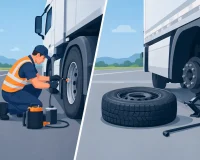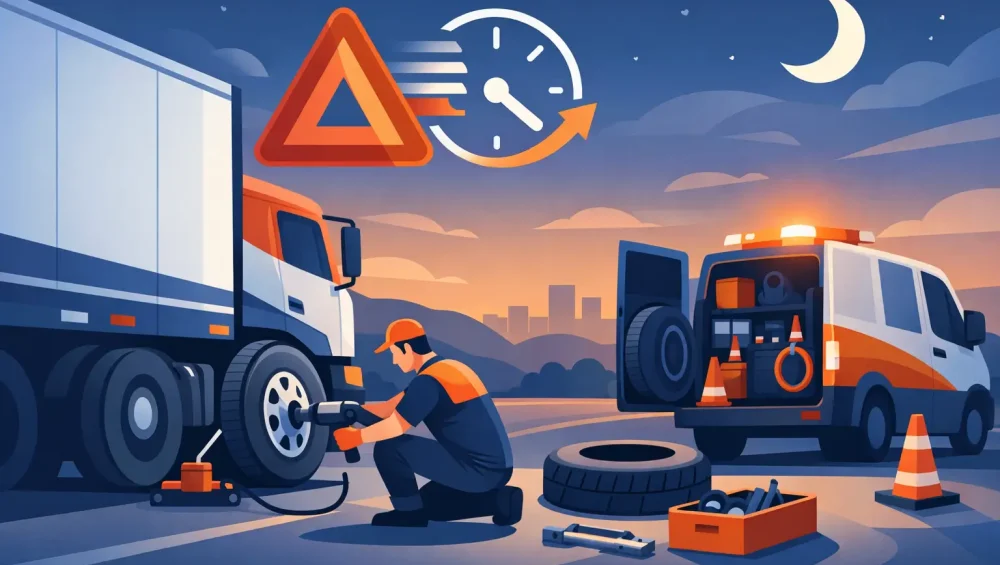
A blown truck tyre on the M1, a puncture at a loading yard, or damaged rubber on a remote job site can stop the whole day in minutes. When freight is waiting, a machine is booked and a driver is stranded, emergency tyre service is not a nice extra. It is the fast, practical support that gets heavy vehicles safely back to work.
For owner-drivers, transport operators and fleet managers across the Hunter, every hour off the road costs money. Missed delivery windows, idle drivers, delayed equipment and frustrated customers can quickly turn one tyre problem into a much bigger issue. That is why a mobile response matters: the technician, tools and replacement tyre come to the truck, trailer or plant equipment instead of making you organise an expensive recovery or lose half a day travelling to a workshop.
Emergency Tyre Service When Your Truck Cannot Wait
A tyre failure rarely happens at a convenient time. It can hit during an early depot departure, late-night linehaul run, harvest job, quarry shift or a delivery run when every minute is accounted for. A dependable 24/7 emergency tyre service gives you one clear next step when it does.
The first priority is making the vehicle safe. A trained mobile tyre technician assesses the damage, the tyre condition, wheel and rim, load requirements and the safest way to complete the job at your location. Some punctures can be repaired properly. Others, especially a tyre with serious sidewall damage, exposed cords, a large cut or blowout damage, need replacement. The right call depends on the tyre, the vehicle and the work it must do next.
Trying to nurse a damaged tyre to the next town is rarely worth the risk. A tyre that has lost pressure can overheat and fail further, while driving on a flat can damage the casing or rim beyond repair. Pull up safely as soon as practical, use warning equipment where required and arrange professional help.
Mobile Support That Keeps Operations Moving
Mobile tyre service is built around one simple idea: your truck should not have to come to us when it cannot move. Whether you are parked on the Hunter Expressway, at a depot in Beresfield, working around Maitland, hauling through Singleton or operating from a remote Hunter Valley site, roadside tyre support can be dispatched to where the problem is.
For a roadside callout, clear information helps get the right solution there first time. Let the technician know your exact location, vehicle type, tyre size, axle position and what has happened. If it is safe to check, mention whether the tyre is flat, cut, damaged by a road hazard or has suffered a blowout. A photo can also help identify the tyre and wheel setup before the service vehicle arrives.
This does not just save time on the initial response. It helps ensure the mobile unit carries the correct replacement tyre, repair materials and equipment for the job. For heavy vehicles, tyre fitment is not one-size-fits-all. Steer, drive and trailer positions can have different requirements, and load, road conditions and application all matter.
Puncture Repair or Tyre Replacement?
A quality puncture repair can be a cost-effective answer when the injury is repairable and the tyre casing remains sound. A small tread-area puncture may be repairable after a proper inspection. The tyre must be removed and checked internally, because damage caused by running underinflated is not always visible from the outside.
Replacement is usually the safer choice when a tyre has sidewall damage, a failed casing, deep cuts, belt separation, exposed cords or excessive wear. The same applies after many blowouts. Saving money on the wrong repair can lead to another breakdown, more downtime and a much higher bill later.
New and used truck tyres can both have a place in a practical tyre plan. A new tyre may be the best fit for long-haul work, high-kilometre operations and demanding drive positions. A quality used tyre can be a sensible option for certain trailers, lower-use equipment or an urgent replacement where budget is tight. The key is fitting a tyre that is safe, appropriate and ready for the job ahead.
Blowout Recovery Needs a Calm, Safe Response
A truck tyre blowout is more than an inconvenience. It can affect steering, vehicle stability, guards, airlines and nearby road users. The driver’s first job is to stay calm, keep a firm hold of the wheel and bring the vehicle to a controlled stop as safely as conditions allow. Avoid harsh braking or sudden steering movements if possible.
Once stopped, choose a safe location away from traffic where practical, activate hazard lights and follow your workplace and road safety procedures. Do not stand in an exposed position beside live traffic, and do not attempt a repair if you are not properly equipped or it is unsafe to do so.
A mobile technician can inspect the failed tyre, check for related wheel or vehicle damage and fit a suitable replacement on-site. This is especially valuable for trucks and trailers where changing a wheel without the right lifting equipment, torque procedures and safety controls can create another risk.
Pressure Checks Are Not a Small Detail
Many roadside tyre failures start long before the tyre goes flat. Incorrect pressure creates heat, increases uneven wear and puts extra stress on the casing. Underinflation is a common cause of premature tyre damage, particularly on loaded trailers and working trucks that spend long hours on the road.
Regular pressure checks are one of the simplest ways to reduce emergency callouts. They should be done when tyres are cold, using the pressures suited to the vehicle, axle load and tyre specification. Visual checks matter too. Look for cuts, stones, uneven shoulder wear, bulges, cracking, loose valve caps and objects lodged in the tread.
If one tyre repeatedly loses pressure, do not keep topping it up and hoping for the best. It may have a slow puncture, valve issue, rim sealing problem or damage that needs inspection. Booking a mobile check before it becomes a roadside failure can protect your schedule.
Fleet Tyre Management Reduces Avoidable Downtime
Emergency callouts are sometimes unavoidable. Road debris, sharp site material and sudden failures happen. But the frequency and cost of tyre emergencies can often be reduced with planned fleet tyre management.
For fleet operators, this means keeping records of tyre sizes, brands, tread depth, fitment dates, repairs and pressure issues across trucks, trailers and equipment. Rotation and wheel balancing can help tyres wear more evenly where suitable. Early replacement planning also avoids sending vehicles out with tyres that are already close to the end of their safe working life.
The best tyre choice depends on how each vehicle works. A tipper doing site and highway kilometres has different needs from a long-haul prime mover, local delivery truck, agricultural vehicle or trailer. Cheaper tyres are not always cheaper once wear rate, traction, fuel use, casing life and downtime are considered. On the other hand, paying for a premium tyre where the application does not justify it may not deliver value. Honest advice should be based on the work the vehicle actually does.
Hunter Mobile Truck Tyres supports urgent roadside work as well as ongoing on-site tyre maintenance, giving local operators a practical option for keeping their vehicles available and compliant.
What to Do While You Wait for Help
After arranging emergency support, focus on safety and clear communication. Park as far from traffic as conditions allow, use warning devices, secure the vehicle and keep people away from the damaged tyre area. If the truck is loaded, tell the technician what you are carrying and whether there are site access restrictions, low clearances or special safety requirements.
Have your tyre details ready if possible, but do not put yourself at risk trying to read them beside live traffic. Your location and vehicle description are more important. If you are on a highway or unfamiliar road, use landmarks, kilometre markers, nearby exits or your mobile map location to help the technician find you quickly.
A flat tyre does not need to derail the entire shift. Fast action, the right replacement and a proper repair decision can get you moving again with less disruption. When the road, depot or job site delivers a tyre problem, arrange help early and give your vehicle the support it needs to finish the job safely.