Rain changes a familiar run fast. A loaded truck that feels settled on dry bitumen can lose braking grip, wander through standing water or push wide on a greasy roundabout when the weather turns. Choosing the best truck tyres for wet roads is not about buying the most aggressive-looking tread. It is about fitting the right tyre for the axle, load, route and operating conditions, then keeping it in working order.
For owner-drivers and fleet operators, wet-weather tyre decisions affect more than comfort. They affect stopping distance, steering control, fuel use, load protection and whether your vehicle stays productive when rain hits the Hunter Expressway, M1 or a wet site access road.
What makes a truck tyre safe in the wet?
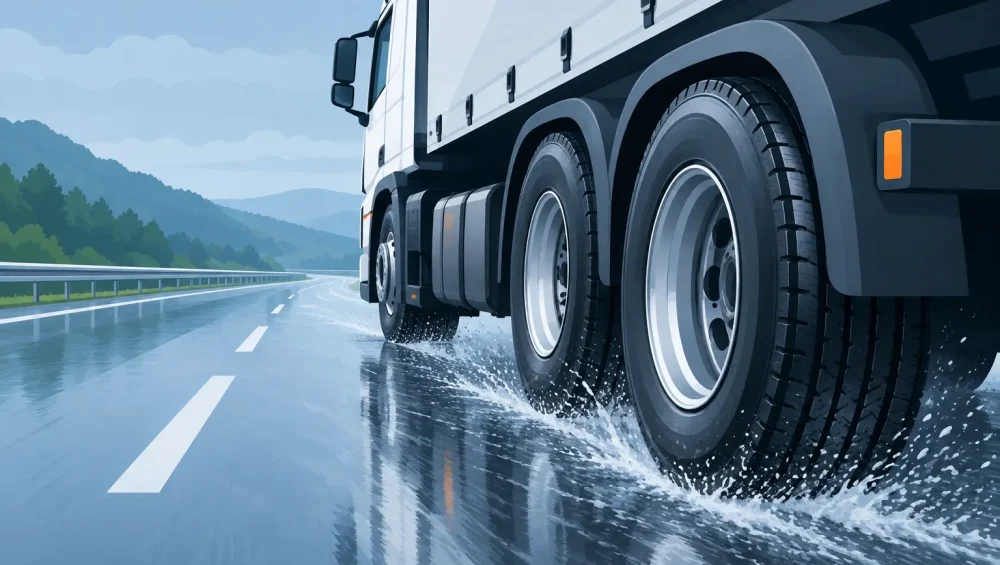
A wet-road tyre needs to clear water from beneath the contact patch quickly enough for the rubber to keep gripping the road. If water cannot escape, the tyre can begin to skim across the surface. On a heavy vehicle, that loss of grip can show up as longer stopping distances, reduced steering response or trailer instability.
Look closely at tread design, not just how much tread remains. Deep, open grooves and well-positioned channels help move water away. Siping – the fine cuts through tread blocks – can add extra biting edges on damp, polished or slippery surfaces. A good wet-weather pattern also needs a compound suited to your work, because rubber that is too hard may last well but offer less confidence on cold, wet bitumen.
That does not mean every truck needs the same tyre. A highway prime mover, a local rigid truck, a tipper moving between sealed roads and muddy sites, and a long-haul B-double all put different demands on their tyres.
Best truck tyres for wet roads: match the tyre to the axle
There is no single tyre that is best across every position on a truck. The correct setup starts with where the tyre is fitted and what that axle is expected to do.
Steer tyres need water-clearing control
Steer tyres set the direction of the vehicle, so wet grip and predictable handling matter most here. For trucks spending most of their time on sealed roads, choose a quality highway steer tyre with longitudinal grooves designed to evacuate water and maintain straight-line stability.
Avoid treating steer tyre replacement as a place to cut corners. Uneven wear, shoulder damage or low tread on the steering axle can make a wet road feel vague long before the tyre is technically illegal. A tyre may still have legal tread depth but be past its best for regular rain work.
Drive tyres need traction without excessive wear
Drive tyres have to transmit torque to the road. A drive pattern with enough open tread and siping can improve traction when pulling away on wet hills, roundabouts, depot yards and sealed site roads. If your work includes gravel, loose surfaces or construction access, an on/off-road drive tyre may be a better fit than a pure highway pattern.
The trade-off is wear and noise. A more open, traction-focused tread can wear faster or run louder on long stretches of highway. For a long-haul operator mostly on bitumen, a highway drive tyre with reliable wet performance can be the smarter operating-cost choice.
Trailer tyres must not be forgotten
Trailer tyres do not steer or drive, but they have a major influence on stability and braking. Worn trailer tyres are more likely to lose grip during heavy braking or when travelling through pooled water. They can also contribute to trailer sway, particularly with high loads or changing road camber.
Keep trailer tyre tread, pressure and matching across each axle under control. A mixed set of worn and newer tyres may seem economical in the short term, but it can create uneven rolling behaviour and irregular wear.
Tread depth matters before the legal limit
Australian road rules set minimum tread requirements, but minimum legal tread is not a wet-weather target. As grooves become shallow, the tyre has less space to move water. That is when drivers often notice a truck becoming less settled in rain, even though no tyre is visibly flat or damaged.
For wet-road reliability, inspect tread depth across the full width of each tyre. Centre wear can point to overinflation, while shoulder wear can indicate underinflation, alignment concerns or cornering stress. Cupping, feathering and one-sided wear are also warning signs that the tyre or vehicle needs attention.
Check tyres before a run, particularly after a long dry spell. Rain lifts oil, dust and rubber residue to the surface, making the first shower one of the slickest conditions you will encounter. If the tread is nearing replacement, do not wait for a wet-week breakdown or a roadside defect to make the decision for you.
Pressure is part of wet-weather grip
The right pressure helps a tyre carry its load properly and maintain a stable contact patch. Underinflated tyres flex excessively, build heat and wear their shoulders. Overinflated tyres can reduce the effective contact area and accelerate centre wear. Neither condition helps on wet roads.
Pressure should always be set for the actual load, tyre specification and axle configuration. There is no one pressure that suits every truck. A vehicle running empty, then loaded to capacity later in the day, may need a pressure-management approach that reflects its operating cycle.
Use accurate gauges and check cold pressures as part of a regular pre-start routine. Also inspect valve caps, valve stems and dual-wheel spacing. A slow leak on one tyre in a dual set can overload the other tyre and create a much bigger problem before the driver feels any change.
Do not mix tyres without a plan
Different brands and tread patterns can behave differently in wet conditions. Mixing can sometimes be necessary after damage or an urgent replacement, but it should be done carefully. Keep tyres of a similar size, construction and rolling circumference together where required, especially on duals and drive axles.
A used truck tyre may be a practical option for a short-term replacement or a vehicle with limited duty, provided it is properly inspected, sound and suitable for the position. For a heavily loaded truck or long-haul operation regularly facing rain, investing in quality matched tyres often pays back through better wear, reduced downtime and greater driver confidence.
Maintenance keeps wet-road tyres working
Even a premium tyre cannot compensate for poor wheel alignment, worn suspension components or neglected rotation. Alignment problems scrub tread away and can reduce wet grip quickly. Wheel balancing helps reduce vibration and irregular wear, while planned rotations can make better use of the tyre set before replacement is needed.
A practical fleet inspection should cover tread depth, pressures, cuts, punctures, exposed cords, bulges, uneven wear and stone damage. It should also include wheel nuts, rims and signs of rubbing or heat. Small issues caught at the depot are far cheaper than a blowout beside the highway in heavy rain.
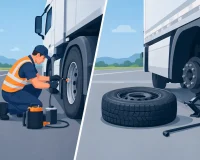
If a puncture or damaged tyre does occur, have it assessed promptly. Continuing to run on a compromised tyre can turn a repairable issue into a casing loss, wheel damage or a serious roadside safety risk.
Choose support that keeps the truck moving
The best tyre choice is only half the job. When a tyre fails on the road, speed of response matters. Hunter Mobile Truck Tyres provides 24/7 mobile truck tyre support for heavy vehicles across the Hunter region, bringing tyre replacement, puncture repairs, fitting, balancing and pressure checks directly to the truck, trailer, depot or roadside location.
For fleets, planned tyre checks are the practical way to reduce wet-weather surprises. For owner-drivers, a quick inspection before the next rain front can prevent a costly delay. Fit tyres suited to the work, keep the pressures right and act early when tread or wear patterns start telling you something is wrong.