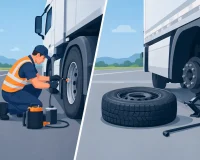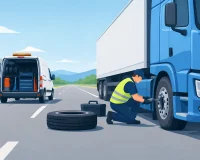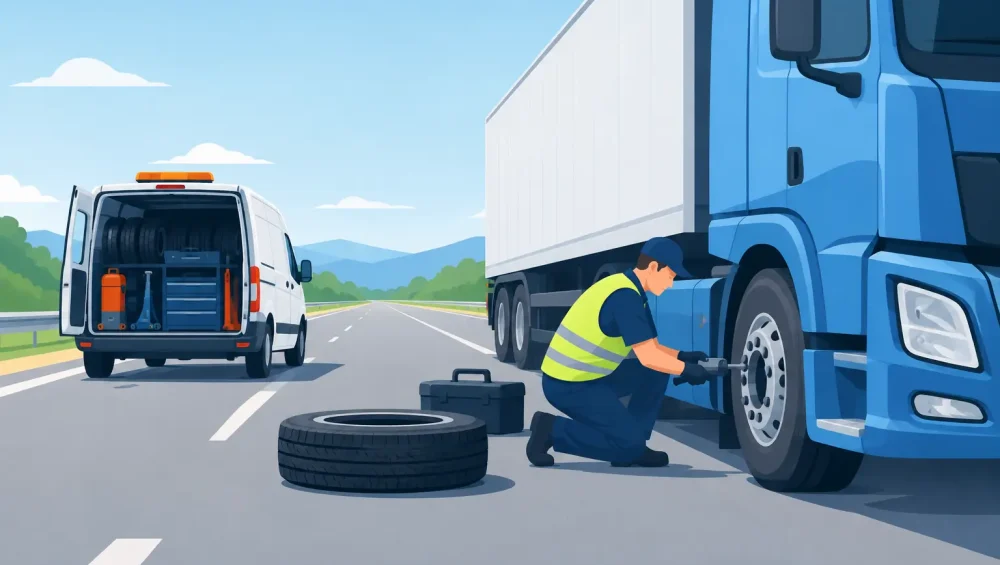
A roadside tyre response is not just about changing a wheel. When a truck or trailer is stopped on the shoulder with a flat, damaged casing or blowout, every minute affects delivery schedules, driver safety, customer commitments and operating costs. For owner-drivers and fleet operators, the priority is simple: get the vehicle assessed, made safe and back on the road with the right tyre solution.
A flat tyre can happen anywhere – on the M1, the Hunter Expressway, a quarry access road, a depot yard or a remote job site. The cause may be a puncture, low pressure, impact damage, excessive heat, overloaded operation or a tyre that has reached the end of its working life. Whatever caused it, a fast mobile response prevents a manageable tyre problem becoming a long and expensive breakdown.
What a Proper Roadside Tyre Response Looks Like
The right response starts before the tyre tools come out. A skilled technician needs to assess the location, the vehicle, the axle position and the condition of the damaged tyre. A steer tyre, drive tyre and trailer tyre each have different demands. Replacing a tyre with an unsuitable size, load rating or tread pattern can create handling issues, uneven wear and further downtime.
At the roadside, safety comes first. The truck should be positioned as safely as possible, warning equipment used, and the work area managed around passing traffic, soft shoulders or uneven ground. Once the vehicle is secure, the technician can inspect the tyre, wheel and valve area to determine whether a repair is safe or whether replacement is the only sensible option.
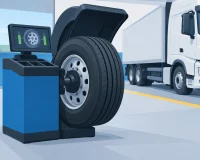
A quality roadside tyre response may include puncture repair, fitting a replacement tyre, wheel balancing where required, pressure checks on related tyres, and a quick visual inspection of the remaining tyres on that axle. This broader check matters. If one tyre has failed because of underinflation or damage, another tyre may be close behind.
Puncture Repair or Tyre Replacement?
Not every flat truck tyre needs replacing, but not every puncture can be repaired either. The decision should be based on the location and size of the injury, the tyre’s remaining condition, whether it has been run flat, and the operating demands of the vehicle.
A clean, repairable injury in the tread area may be able to be professionally repaired if the casing remains sound. This can be a cost-effective option for operators who need to manage tyre spend without compromising safety. However, sidewall damage, severe shoulder damage, exposed cords, major casing distortion or a tyre that has been driven while flat generally calls for replacement.
Trying to stretch the life of a tyre that is no longer serviceable can cost far more than a replacement. A second failure can damage a rim, delay a load, create recovery costs or leave a driver stranded in a far less convenient location. The practical choice is the one that gets the truck rolling safely and reduces the chance of another stop later in the shift.
Information That Speeds Up the Callout
When a driver calls for mobile tyre help, clear information helps the technician arrive prepared. The best callouts provide the truck or trailer type, tyre size, axle position, whether the tyre is flat or blown out, and the exact location or nearest landmark.
It also helps to mention whether the vehicle is loaded, carrying a time-sensitive load, parked in a depot or stopped on a busy road. A photo of the tyre and sidewall can assist where it is safe to take one, but drivers should never stand in traffic or put themselves at risk to get it.
For a fleet manager, having tyre specifications recorded for each vehicle can make emergency decisions much faster. Knowing the approved tyre sizes, preferred brands, common wheel fitments and normal operating pressures means the correct option can be selected without unnecessary back-and-forth.
Why Mobile Support Protects Your Schedule
Sending a heavy vehicle to a tyre workshop is not always possible. A truck with a damaged tyre may be unsafe to move, and a trailer stopped at a site cannot always be unhooked or easily transported. Even when it can move, travelling on a compromised tyre or wheel risks turning a simple repair into more serious damage.
Mobile tyre service brings the equipment, replacement tyres and hands-on experience directly to the vehicle. That saves travel time, avoids arranging a tow in many cases and lets drivers remain close to their vehicle and load. For businesses running tight schedules, the benefit is not only convenience. It is operational continuity.
This is especially valuable for tipper trucks, long-haul units, trailers, agricultural vehicles and earthmoving equipment that work outside standard workshop hours or away from major towns. A tyre issue at night, early in the morning or during a weekend shift should not automatically mean the vehicle is off the road until the next business day.
The Hidden Causes Behind Repeat Tyre Failures
A replacement tyre gets a truck moving, but repeat tyre trouble usually points to a bigger issue. Underinflation is one of the most common causes. It creates excess heat and sidewall flex, increasing the risk of casing damage and premature failure. Overinflation can reduce the contact patch and contribute to irregular wear or harsher impact damage.
Wheel alignment, worn suspension components, incorrect load distribution and poor rotation practices can also shorten tyre life. A tyre that wears heavily on one shoulder is not always a tyre problem. It may be telling you that the vehicle needs mechanical attention.
Road conditions matter too. Construction sites, forestry roads, quarry tracks and rural access roads can expose tyres to sharp debris, potholes and rough surfaces that highway tyres do not face every day. The best tyre choice depends on the work. A tyre suited to long highway kilometres may not be the best fit for repeated off-road site access, even if the size is correct.
Turn Emergency Callouts Into Better Fleet Control
Emergency roadside work is necessary, but a well-managed fleet should use each callout as useful information. Record the tyre position, failure type, pressure, kilometre reading and likely cause. Over time, those records show patterns that are easy to miss when each breakdown is treated as an isolated event.
For example, frequent punctures on the same trailer route may justify a more durable tyre specification. Ongoing inner-edge wear may signal alignment concerns. Repeated low-pressure failures can point to valve issues, slow leaks or pressure checks not being completed often enough.
Scheduled mobile pressure checks, tyre rotations and condition inspections can reduce the number of urgent calls. They cannot prevent every puncture or blowout, but they give operators more control over tyre life and help avoid failures that occur because warning signs were missed.
Hunter Mobile Truck Tyres provides practical mobile support for heavy vehicles across the Hunter region, with 24/7 assistance when a tyre problem cannot wait. The focus is on getting the right tyre work completed where the vehicle is stopped, whether that is roadside, at a depot or on site.
When a Tyre Fails, Keep the Next Step Simple
If a tyre fails while driving, reduce speed steadily, avoid sudden steering inputs, move to the safest available position and activate hazard lights. Do not continue travelling on a damaged or deflated tyre unless there is no safer immediate option and the vehicle can be moved only as required to clear danger.
Then provide accurate location details and let a qualified mobile tyre technician assess the job. A quick, professional response gives drivers confidence, keeps freight moving and helps protect the tyres, wheels and schedules that your business relies on.