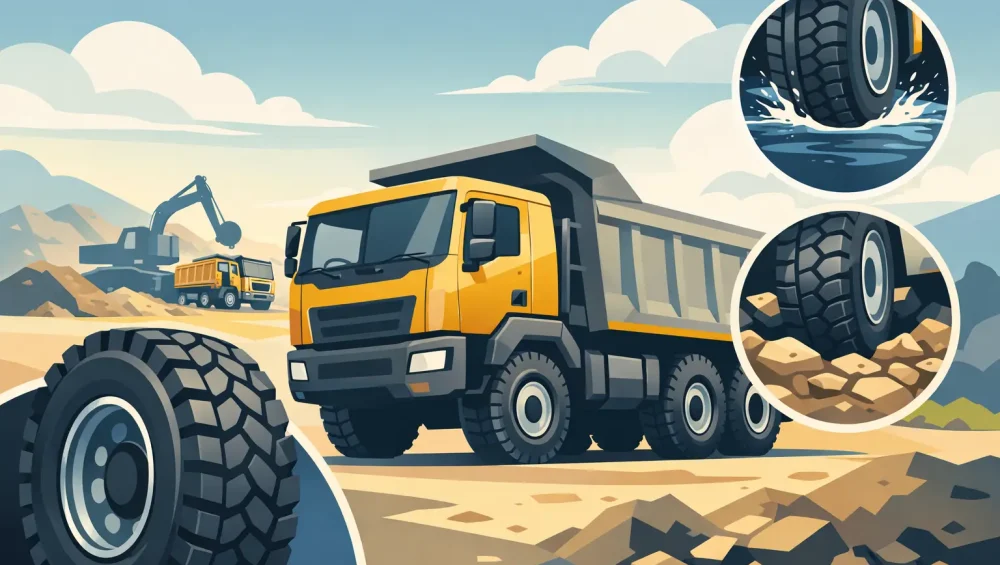
A tipper can cover the same run all week, then lose a tyre in one sharp turn through a quarry, a soft access track or a loaded trip out of site. Choosing the best tyres for tipper trucks is not about fitting the most aggressive-looking tread. It is about matching the tyre to the loads you carry, the ground you work on and the kilometres you need from every casing.
For Hunter operators, tipper work often means a mix of sealed roads, rough job sites, gravel, mud and tight depot manoeuvres. That is hard work for any tyre. The right fitment helps keep your truck safe, reduces avoidable downtime and gives you a better chance of getting the full working life from your tyre investment.
Best tyres for tipper trucks start with the job
There is no single tyre that is best for every tipper truck. A truck hauling quarry material over unsealed roads needs something different from a tipper doing mostly metro construction work, or a grain tipper travelling long highway distances between farm and silo.
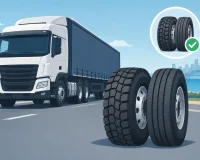
Start by looking honestly at where the truck spends its time. If most of the work is on bitumen, a highway or regional-pattern drive tyre may deliver lower rolling resistance, steadier handling and longer wear. If the truck is regularly on loose stone, sand, mud or badly formed site tracks, an all-position or drive tyre with a deeper, more open tread is usually the smarter choice.
The key is avoiding a mismatch. An aggressive off-road tread can wear quickly and run hotter on long sealed-road work. A road-focused tyre may give good kilometres until it meets sharp rock, wheelspin or wet clay. The best choice is the one that handles the toughest regular part of your operation without costing you unnecessarily on the rest of the run.
Match the tread pattern to the axle
Tipper tyres should be selected axle by axle, not just as a full set of identical rubber. Steer, drive and trailer axles do different jobs, so they wear differently and need different strengths.
Steer axle tyres
Steer tyres need stable handling, predictable braking and strong resistance to irregular wear. Look for an all-position pattern designed for heavy-duty service, with a casing and sidewall suited to the conditions your truck faces. On tippers, the steer axle can cop punishment from rough entry roads, potholes and kerb contact around sites.
A tyre that tracks straight and wears evenly makes life easier for the driver and helps protect the rest of the front-end setup. If steer tyres are feathering, scrubbing on one edge or wearing faster than expected, do not just replace them and carry on. Check wheel alignment, suspension and steering components before the new tyres develop the same problem.
Drive axle tyres
The drive axle needs traction. For tipper trucks, that can mean climbing out of a wet excavation, pulling through loose gravel or getting moving without spinning the wheels while loaded. Deep-lug drive tyres provide stronger grip in loose conditions, while mixed-service patterns offer a balance for trucks that spend a fair amount of time on the road.
More traction is useful, but it is not a licence to overload or push through unsafe ground conditions. Wheelspin tears at tread blocks, creates heat and shortens tyre life fast. A driver who eases into the throttle and uses the diff lock only when needed can save a lot of rubber over a year.
Trailer and tag axle tyres
Trailer tyres are often overlooked until one fails. They still carry serious weight, cop sharp turns and can suffer from scrub wear on tight construction sites. A durable all-position tyre with good cut resistance is often the practical choice for tipper trailers and multi-axle combinations.
Pay close attention to axle alignment on trailers. A trailer that is dragging tyres sideways can burn through a set long before the tread should be worn out. If one tyre is consistently wearing differently to the rest, it is a warning sign worth acting on.
Load rating and pressure are non-negotiable
A tyre can have the right tread pattern and still be the wrong tyre if it does not have the correct load and speed rating. Tipper work involves changing loads, uneven distribution and high stress during loading, tipping and site travel. The tyre specification must suit the truck, axle loads and operating conditions.
Always follow the vehicle manufacturer’s recommendations, the tyre manufacturer’s load-and-pressure tables and applicable heavy vehicle requirements. Never guess pressures by appearance. A tyre can look acceptable and still be dangerously under-inflated.
Under-inflation is one of the fastest ways to create heat, sidewall damage and casing failure. Over-inflation can reduce the contact patch, make the ride harsher and increase vulnerability to impact damage on rough ground. The right cold pressure depends on the tyre, axle load and service type, so it needs to be checked as part of the daily pre-start routine.
For fleets, recording pressure checks is worthwhile. It helps identify slow leaks, recurring wheel problems and tyres that are being run outside their intended range. Those small checks are far cheaper than a roadside blowout with a loaded truck waiting to move.
Choose durability where your truck needs it most
Tipper tyres face hazards that long-haul tyres may rarely see: sharp quarry rock, steel fragments, broken concrete, deep ruts and sidewall strikes. That is why casing strength, sidewall protection and cut resistance matter as much as tread depth.
If your truck works on harsh sites every day, paying more for a heavy-duty mixed-service tyre can make good commercial sense. A cheaper road tyre may look attractive at fitment, but a puncture, early removal or damaged casing quickly wipes out the saving. On the other hand, a premium off-road pattern may not be the best spend for a truck that runs 90 per cent of its kilometres on the highway.
This is where the operating picture matters. Consider the full cost per kilometre, including fitment, repairs, downtime, fuel use and the chance of retreading a sound casing. The cheapest tyre on the invoice is not always the cheapest tyre to run.
Tyre maintenance keeps tipper trucks earning
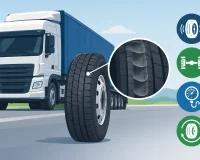
Even quality tyres need regular attention. A quick walk-around before leaving the yard can reveal lodged stones, cuts, bulges, low pressure, missing valve caps or uneven wear before they become a job-stopping issue.
Keep an eye on these common tipper tyre problems:
- Cuts and punctures from quarry rock, demolition material and site debris.
- Shoulder damage caused by running soft or striking rough edges.
- Irregular wear from poor alignment, worn suspension or overloaded axles.
- Heat damage from low pressure, high speed or extended heavy loading.
- Tread tearing from wheelspin on loose or wet ground.
Rotation can help spread wear where the tyre design and axle position allow it. Wheel balancing and alignment also matter, particularly when a truck is seeing vibration through the steering wheel or chewing out front tyres. Addressing these signs early protects the tyre, the truck and the driver.
New, used and retread options: choose carefully
New tyres are generally the right call when maximum reliability, known casing condition and demanding site performance are the priority. They are particularly valuable on steer positions and high-risk operations where failure has serious safety and downtime consequences.
Used truck tyres can be a practical short-term option in the right situation, provided they are properly inspected, suitable for the axle position and have safe, legal tread remaining. They should not be treated as a universal budget fix for hard tipper work.
Retreads can also offer sound value when built on quality casings and used in suitable applications. The decision should be based on service conditions, tyre position and the condition of the casing, not just the purchase price. A tyre professional can help weigh up the options for your truck rather than selling you a one-size-fits-all answer.
Get support before a small issue stops the shift
A flat tyre at a quarry gate, on the Hunter Expressway or at a remote job site can put the whole schedule behind. Regular inspections and planned tyre changes reduce the chance of that happening, but when damage does occur, fast mobile support matters.
Hunter Mobile Truck Tyres provides on-site tyre fitting, puncture repairs, pressure checks and 24/7 emergency support for heavy vehicles across the Hunter region. That means less time organising a workshop visit and more time getting your tipper back to work.
The right tyre choice should make every load safer and every shift more productive. Review your current wear patterns, pressures and site conditions before the next replacement is due, and you will be in a far better position to keep the truck moving when the work is on.