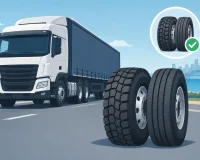
A trailer sitting on the shoulder with a damaged tyre is more than an inconvenience. It can hold up a delivery, leave a load exposed, disrupt a driver’s schedule and cost a business far more than the tyre itself. Fast commercial trailer tyre support gets the problem handled where it happens, so your operation can get moving again without the extra delay of limping to a workshop.
For owner-drivers, transport companies, earthmoving crews and agricultural operators, trailer tyres work hard. They carry weight, cover long distances, deal with rough access roads and often spend long periods parked under load. When something goes wrong, you need a practical solution – not a booking several days away.
When Commercial Trailer Tyre Support Matters Most
Tyre trouble rarely turns up at a convenient time. A puncture can happen on the M1, a blowout can hit while travelling the Golden Highway, or a worn tyre can be spotted during a pre-start check at a depot or job site. The best response depends on the damage, the trailer type, its load and whether it is safe to move.
A minor puncture may be repairable if the tyre has not been run flat and the damage sits in a suitable repair area. A sidewall cut, exposed cords, major casing damage or a tyre that has disintegrated at speed generally calls for replacement. Continuing on a questionable tyre can cause more damage to the wheel, mudguard, trailer body or nearby tyres. More importantly, it puts the driver and other road users at risk.
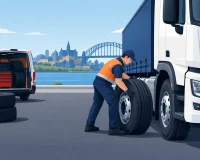
That is why mobile support matters. A qualified technician can assess the tyre at the roadside, at your yard, at a farm gate or on a remote worksite, then carry out the appropriate repair or fit a replacement on the spot where possible. It removes the wasted time of arranging a tow or sending a loaded trailer across town to a tyre shop.
The Cost of Waiting Is Usually Bigger Than the Tyre
A trailer off the road affects everything connected to it. Deliveries can miss their time slot. Equipment may not reach site. A driver may lose hours waiting beside the road. For a fleet manager, one failed tyre can quickly become a scheduling issue across several vehicles.
There is also the hidden cost of operating on tyres that are already overdue for attention. Uneven wear can reduce tyre life well before the tread is gone. Incorrect pressure creates extra heat and stress in the casing. A wheel that is out of balance or a trailer with alignment-related wear can chew through tyres faster than expected.
Emergency help is essential when failure happens, but regular tyre checks are what help prevent the next callout. The right approach is not simply replacing tyres when they fail. It is looking at how the trailer is being loaded, how far it travels, where it operates and what the tyres are telling you.
What a Mobile Trailer Tyre Service Can Handle
Commercial trailers come in many forms: flat tops, drop decks, tippers, refrigerated units, plant trailers, stock trailers and general freight trailers all have different operating demands. The tyre service needs to suit the work, not just the wheel size.
On-site support can include puncture inspections and repairs, tyre replacement, fitting new or used truck tyres where appropriate, wheel balancing, tyre rotation and pressure checks. Blowout recovery is particularly valuable when a tyre failure leaves the trailer unsafe or unable to continue. The technician can remove the damaged tyre, inspect the wheel area and get the trailer ready for the road again.
Used tyres can be a sensible option for some operators, particularly where a trailer has lower mileage, works around a yard or needs an immediate cost-conscious replacement. They are not right for every application. Long-haul work, high loads and demanding operating conditions often justify fitting a new tyre with the correct rating and tread design. Honest advice matters because the cheapest tyre at the time is not always the lowest-cost choice over its working life.
Hunter Mobile Truck Tyres provides mobile heavy vehicle tyre assistance around the Hunter region, including emergency roadside response, depot work and scheduled fleet support. Whether the job is on a highway, in Newcastle, around Maitland or out toward Singleton and Muswellbrook, mobile service keeps the work focused on getting your trailer back in service.
Pressure Checks Are Not a Small Job
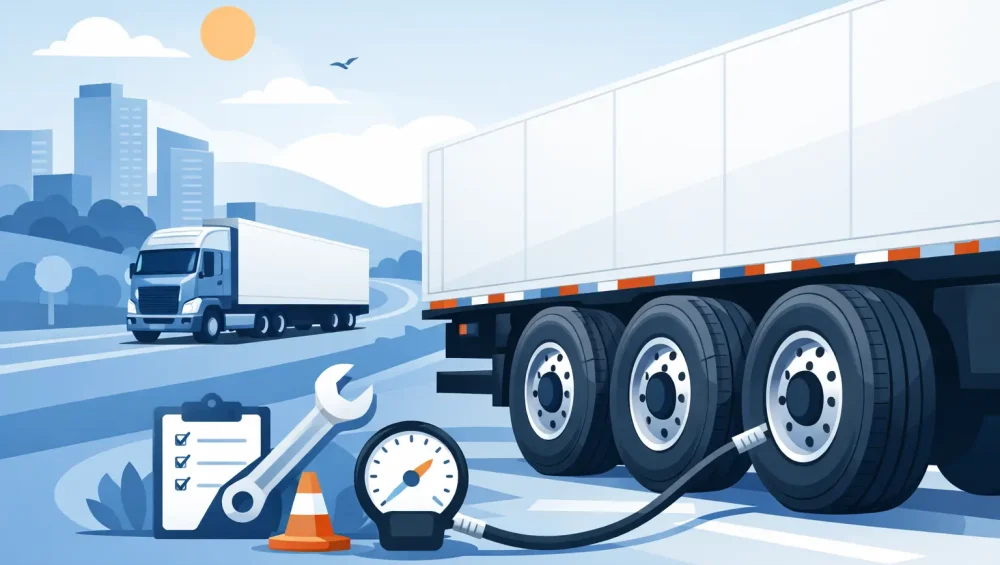
Tyre pressure is one of the simplest checks on a trailer, yet it is often missed until there is a problem. Underinflation causes excessive flexing and heat build-up. That can damage the casing, wear the shoulders and increase the chance of failure under load. Overinflation can reduce the contact patch, affect ride quality and lead to uneven centre wear.
The correct pressure is not a guess. It should suit the tyre specification, axle load and application. A trailer that is lightly loaded one day and fully loaded the next may need a pressure routine that reflects how it is actually used. Twin tyres also need attention as a pair. If one is badly underinflated or substantially different in diameter, it can force the other tyre to carry more of the load.
A quick pressure and condition check before a long run can prevent a roadside stop later. Look for nails or embedded objects, cracking, bulges, uneven wear, damaged valve stems and tyres that appear low. If anything looks wrong, deal with it before the trailer leaves.
Signs Your Trailer Needs Tyre Attention Now
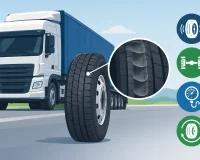
Not every issue arrives as a blowout. Many trailer tyre failures give warning signs first. A vibration through the combination, repeated pressure loss, visible shoulder wear or a trailer that seems to pull differently can all point to a problem worth inspecting.
Watch closely for these four warning signs:
- Tread worn heavily on one edge, which may suggest alignment, suspension or loading issues.
- A bulge, split or exposed cord in the sidewall, which means the tyre should not stay in service.
- One tyre in a dual set wearing much faster than the other, often linked to pressure differences or mismatched tyre size.
- Heat, rubber debris or a burning smell after a run, which can indicate a tyre has been operating under serious stress.
Do not rely on a visual glance alone when the trailer is working hard. A tyre can look acceptable while losing pressure slowly or suffering internal damage. If there is doubt, arrange an inspection before the next load is on board.
Support for Fleets Means Fewer Surprise Stops
For fleets, tyre management is about control. Keeping records of tyre condition, fitment dates, repairs, rotations and recurring faults makes it easier to plan replacements before a tyre becomes a roadside issue. It also helps identify patterns, such as a particular route damaging tyres, a trailer axle causing irregular wear or a load practice putting too much strain on one side.
Scheduled mobile checks are useful because they bring tyre maintenance to the vehicles. Instead of taking several trailers out of service for workshop visits, inspections and fitting can be organised at your depot or worksite. That is especially valuable for busy fleets where every trailer has a job to do.
There are trade-offs. A planned tyre change is usually more efficient than an emergency callout, but emergency assistance remains vital when there is no warning and the trailer cannot move safely. The strongest fleet plan uses both: regular maintenance to reduce failures, plus 24/7 mobile help when the unexpected still happens.
Keep the Next Load on Schedule
When a commercial trailer tyre fails, the priority is clear: make the area safe, avoid running the damaged tyre any further and arrange capable support straight away. Provide the trailer type, tyre size if known, your exact location, the nature of the damage and whether the trailer is loaded. That information helps get the right tyre and equipment to you sooner.
Before your next long run, take five minutes to check pressures, tread and sidewalls. That small habit can be the difference between arriving on time and spending the day parked on the side of the road.