A tyre failure on the M1, a slow leak at a remote job site or a trailer sitting idle in the depot can wipe out a day’s margin fast. Freight fleet savings are not just about buying the cheapest tyre available. They come from keeping vehicles rolling, catching problems early and having the right help ready when a tyre lets go.
For owner-drivers, transport companies, earthmoving crews and agricultural operators, every hour off the road costs money. There is the missed delivery, the driver waiting time, the recovery expense and the knock-on effect for the next job. A practical tyre plan reduces those avoidable costs without cutting corners on safety.
1. Treat tyre pressure as a running cost
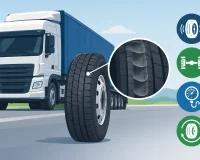
Incorrect tyre pressure is one of the quietest profit leaks in a heavy vehicle fleet. Under-inflated tyres build heat, wear through the shoulders and use more fuel. Over-inflated tyres can wear unevenly through the centre and reduce grip, particularly when road conditions change.
A pressure check takes far less time than dealing with a blown tyre on the side of the highway. Check pressures when tyres are cold where possible, use the correct pressure for the load and application, and keep records for each truck and trailer. The right setting depends on the tyre, axle weight, road surface and work being done, so there is no one-pressure-fits-all answer.
For fleets running long-haul routes, tipper work or changing loads, regular on-site pressure checks are a simple way to reduce premature tyre replacement and improve fuel efficiency.
2. Fix punctures before they become blowouts
A small puncture may not stop a truck straight away, but it should never be ignored. A slow leak lets a tyre run hot and weakens the casing over time. What could have been a straightforward repair can turn into a roadside blowout, damaged wheel and an urgent replacement.
Drivers should report pressure loss, vibration, pulling, visible damage or repeated inflation needs as soon as they notice them. Fleet managers can make this easier by setting a clear reporting process that drivers will actually use. The aim is not paperwork for its own sake. It is getting the problem checked before the truck is stuck.
Mobile puncture repairs make a real difference here. Rather than losing hours taking a vehicle to a workshop, a technician can inspect and repair an eligible tyre where the truck, trailer or plant is parked. Not every damaged tyre is safe to repair, and a professional inspection matters. If the casing has been run flat or the damage is outside a repairable area, replacement is the safer and more cost-effective call.
3. Match tyres to the job, not just the price
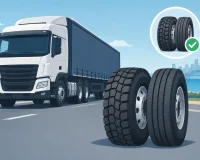
The lowest purchase price is not always the lowest operating cost. A tyre that suits highway kilometres may not last in quarry access roads, construction sites or stop-start regional delivery work. Likewise, a hard-wearing tyre may be a poor fit if it compromises the traction needed for wet paddocks, loose surfaces or steep job sites.
The best freight fleet savings come from choosing tyres around the work each vehicle actually does. Consider the load carried, average distance, road surface, axle position, driving conditions and expected tyre life. Steer, drive and trailer positions all face different demands.
New tyres can be the right choice where mileage, reliability and casing life are the priority. Quality used truck tyres can also be a sensible option for suitable applications, particularly when a vehicle needs to get back to work quickly and budget matters. The key is honest advice on condition, fitment and expected performance, not fitting a tyre that creates another callout next week.
4. Rotate tyres before uneven wear sets in
Tyres rarely wear at exactly the same rate across a truck and trailer. Alignment issues, axle loading, driving routes and tyre position all affect wear patterns. Leave tyres in the same position too long and one tyre can be scrubbed out while the others still have usable tread.
Regular rotation helps spread wear more evenly and makes better use of the tyre investment already on the vehicle. It also gives a technician the chance to spot cupping, irregular shoulder wear, cracks, cuts and signs of suspension or alignment trouble.
Rotation is not automatic for every vehicle. The correct pattern depends on tyre type, tread design, axle configuration and whether tyres are directional. That is why planned fleet tyre management is better than shifting tyres around only when a driver notices a problem.
5. Stop workshop travel from eating into the day
Taking a truck or trailer to a tyre workshop can be necessary for some jobs. But when the vehicle is loaded, parked at a depot, working on a site or stranded roadside, the trip itself can become the expensive part. There is fuel, driver time, lost operating hours and, in some cases, the risk of travelling on a damaged tyre.
Mobile tyre service keeps the repair or replacement close to the vehicle. On-site fitting, wheel balancing, rotation and pressure checks can be organised around operational needs instead of forcing the whole job around a workshop visit. For a business with multiple vehicles, this can mean less disruption across the fleet rather than just a quicker fix for one truck.
That convenience is especially valuable across the Hunter region, where a truck may be working well away from town, on the Hunter Expressway, around Newcastle, or out near Singleton and Muswellbrook. A fast mobile response helps protect schedules when time is tight.
6. Build a tyre history for every vehicle
If tyres are only discussed when one fails, it is hard to see where money is going. A basic tyre history turns reactive spending into useful information. Record tyre size and brand, fitment date, position, repairs, pressure issues, rotations and replacement reason.
Over a few months, patterns start to stand out. One trailer may be wearing tyres faster on a particular axle. A truck might be suffering repeat punctures from a regular site. A certain application may need a different tyre specification or more frequent inspections.
This does not need to become a complicated office exercise. It needs to be accurate enough to guide decisions. When a fleet manager can see why tyres are being replaced, they can address the cause instead of simply approving another invoice.
7. Have a 24/7 response plan before trouble hits
No fleet can prevent every puncture, road hazard or blowout. What separates a manageable delay from an expensive mess is the response. Drivers need to know who to call, what location details to provide and when it is unsafe to move the vehicle.
A good callout report includes the vehicle type, tyre size if known, exact location, whether the truck is loaded, the nature of the damage and any access limits at the site. Clear information helps the mobile technician arrive prepared with the right equipment and tyre options.
For urgent support, Hunter Mobile Truck Tyres provides 24/7 mobile assistance for truck tyres, trailers and heavy vehicles, including emergency replacements, puncture repairs and blowout recovery. The goal is straightforward: get the vehicle assessed properly and get it moving again without unnecessary delay.
Freight fleet savings come from fewer surprises
The strongest tyre strategy is not built around a single bargain purchase. It is built around regular checks, suitable tyres, timely repairs and reliable support when the unexpected happens. That approach protects drivers, reduces downtime and gives every tyre a better chance to earn its full working life.
Before the next busy run, inspect the tyres that are already on your truck or trailer. A worn shoulder, a slow leak or a damaged casing is cheaper to deal with in the yard than on the roadside at the worst possible time.