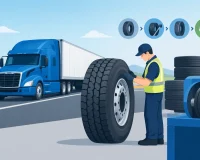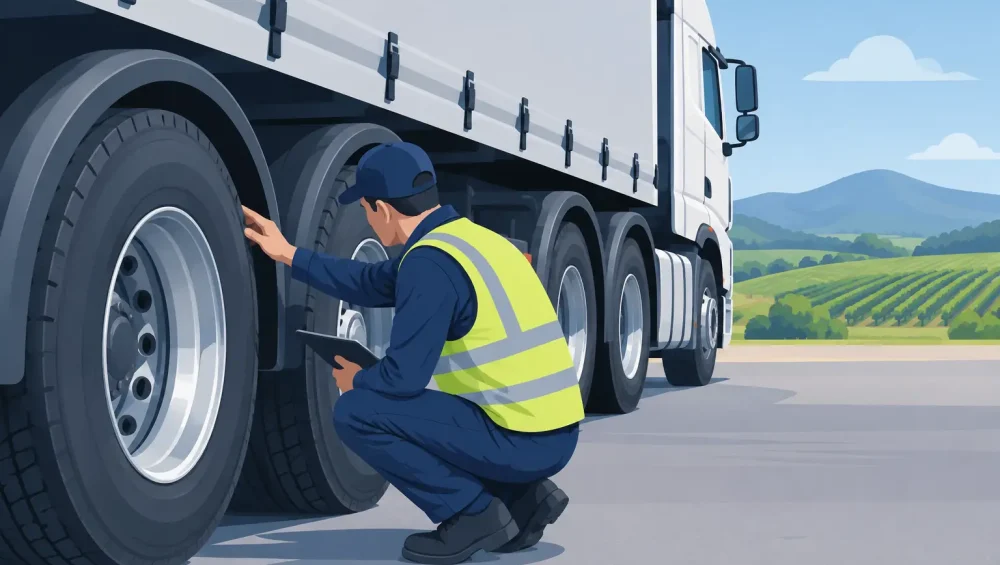
A loaded truck does not need a major blowout to lose time and money. A slow leak, uneven wear patch or damaged sidewall can turn into a roadside stoppage when the vehicle is kilometres from the depot. A Hunter Valley tyre inspection gives heavy vehicle operators a practical way to find those issues early, before they cost a delivery, a shift or a customer.
For owner-drivers, fleet managers, earthmoving operators and agricultural businesses, tyres are working assets. They carry heavy loads, cover long distances and deal with heat, rough access roads, sharp debris and changing road surfaces. Regular checks are not just about keeping tyres looking serviceable. They are about keeping your truck, trailer or tipper moving safely and reliably.
What a Hunter Valley tyre inspection should cover
A proper inspection looks beyond a quick glance at the tread. Heavy vehicle tyres can show early warning signs in ways that are easy to miss during a rushed pre-start check. The job is to identify damage, wear and pressure problems before they develop into a tyre failure.
The technician should assess tread depth and tread condition across the full tyre. Uneven wear can point to incorrect inflation, wheel alignment issues, worn suspension components, poor load distribution or a wheel balance problem. Catching that pattern early can protect the tyre you have and stop the same issue damaging the next set.
Sidewalls need close attention too. Cuts, bulges, cracking, exposed cords and impact damage are serious concerns, particularly on vehicles working around quarry sites, farms, construction areas and rough roadside shoulders. A tyre may still hold air after an impact, but that does not mean it is safe for another loaded run.
Pressure is equally important. Under-inflated tyres run hotter, wear faster and can affect handling and fuel use. Over-inflation can reduce the contact patch and contribute to harsher wear. The right pressure depends on the tyre, axle position, load and operating conditions, so there is no single number that suits every truck and trailer.
An inspection can also include checking valves, rims, wheel nuts and dual tyre spacing. Stones or debris caught between duals can damage both casings. Rim damage, leaking valves and loose wheel hardware can create problems that look like a tyre issue until they are inspected properly.
Why mobile tyre inspections make sense
Taking a truck to a workshop for every tyre concern is not always realistic. A vehicle might be parked at a depot, held up at a job site, waiting at a loading point or stranded beside the Hunter Expressway. Every unnecessary trip adds kilometres, burns driver hours and can put the rest of the day behind schedule.
A mobile service brings the inspection to the vehicle. That means the tyres can be checked where the truck actually works, whether that is in Maitland, Rutherford, Singleton, Muswellbrook, Newcastle or on a regional route. It is a practical option when a vehicle cannot safely travel, when a suspected issue needs attention now, or when a fleet needs checks organised around operational hours.
For fleets, on-site inspections can be scheduled while vehicles are parked or between runs. This reduces disruption and gives managers a clearer picture of tyre condition across trucks and trailers. Instead of reacting to the next puncture, you can plan replacements, rotations and repairs around the work already booked in.
The warning signs drivers should not ignore
Drivers know their vehicles better than anyone. If a truck starts pulling, vibrating or handling differently, it deserves attention. Not every change means a tyre is at fault, but ignoring it can make a small problem expensive.
Watch for pressure loss that keeps returning, a tyre that looks low compared with the others, fresh cuts or objects in the tread, irregular tread wear, vibration through the steering or cab, and visible damage after striking debris or a pothole. A hot tyre, burning rubber smell or smoke requires immediate action. Pull over safely when possible and arrange professional support rather than trying to push through to the next stop.
A puncture is not always a simple plug-and-go repair. Its repairability depends on where the damage is, how large it is, whether the tyre has been run flat and the condition of the casing. Damage in the shoulder or sidewall, for example, often calls for replacement rather than repair. The right call protects the driver, the load and everyone else on the road.
Tyre wear tells a story about your vehicle
Tyres often reveal mechanical or operational issues before they become obvious elsewhere. Centre wear may suggest over-inflation. Wear on both shoulders can be linked with under-inflation. One-sided wear may point to alignment or suspension concerns. Cupping or scalloped wear can indicate balance, shock absorber or wheel-end issues.
That is why simply replacing a worn tyre is not always the complete fix. If the cause is left untreated, the replacement may wear out the same way. An experienced tyre technician can identify what the wear pattern is saying and advise whether the next step is pressure adjustment, tyre rotation, balancing or a mechanical check.
Load matters as well. A truck that regularly runs at different weights may need tyre pressures managed around its operating conditions. Trailer tyres can be overlooked because they are not steering the vehicle, yet they still carry substantial loads and are exposed to kerb strikes, road debris and heat. Checking the whole combination is the smarter approach.
Inspection frequency depends on how you work
There is no one inspection schedule that fits every heavy vehicle. A long-haul unit travelling major routes has different tyre demands from a tipper working short, loaded runs on rough ground. A farm trailer used seasonally has different risks again, especially if it has sat unused for long periods.
As a working rule, drivers should include tyre condition in daily pre-start checks. Fleet operators benefit from planned, more detailed inspections at regular intervals, with extra checks before long runs, after impact damage, after a puncture repair or when abnormal wear appears. Vehicles operating on rough sites, carrying heavy loads or covering high kilometres generally need closer attention.
Keeping a record of pressures, repairs, tread condition and replacements helps make decisions based on evidence rather than guesswork. It can show which positions wear fastest, which routes cause the most damage and whether a particular tyre type is delivering value for your operation.
When an inspection becomes an urgent callout
Some tyre issues cannot wait until the next maintenance window. A blowout, a tyre that will not hold pressure, exposed cords, sidewall damage or a flat on a loaded trailer needs a prompt response. Continuing to drive can damage the rim, put extra load on the remaining tyres and create a far bigger recovery job.
Hunter Mobile Truck Tyres provides mobile support for heavy vehicles when a tyre problem threatens to stop the job. Whether the vehicle needs a puncture repair, replacement tyre, wheel service or help after a blowout, getting qualified assistance to the location can reduce downtime and get the vehicle assessed properly.
The most useful tyre inspection is the one completed before a small defect becomes a roadside emergency. Check your tyres before the next run, act on unusual wear or pressure loss early, and organise mobile support when getting the truck safely back on the road cannot wait.