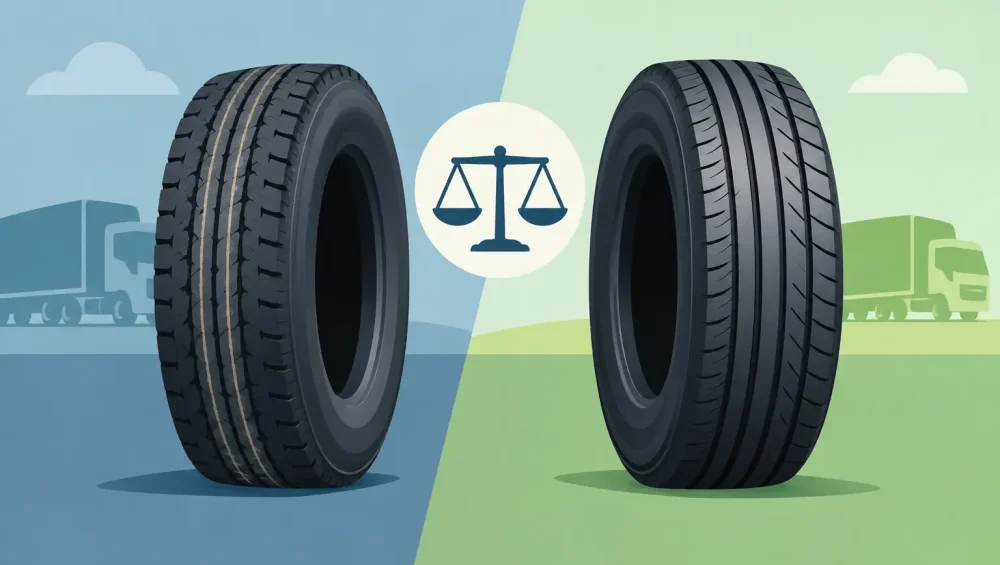
A truck tyre decision can look straightforward until one vehicle is parked on the shoulder, a delivery is running late, or a tipper is due back on site. When comparing retread tyres vs new tyres, the right answer is not simply the lowest purchase price. It is the tyre that gives your truck the safest, most reliable kilometres for the work it actually does.
For Hunter operators, tyres cop hard kilometres: loaded highway runs, rough access roads, stop-start urban work, heat, gravel, mud and long stretches between jobs. Both quality retreads and new tyres have a place in a sensible tyre program. The key is knowing where each one delivers value and where cutting corners can cost more in downtime.
Retread tyres vs new tyres for working trucks
A new tyre is built from a new casing, with its original tread and components fitted at the factory. A retread starts with a previously used tyre casing that has been carefully inspected, repaired where appropriate, buffed and fitted with a new tread layer through a controlled retreading process.
That does not mean a retread is automatically a second-rate tyre. A quality retread built on a sound casing can deliver dependable service, particularly in fleet applications where tyres are inspected, pressures are managed and vehicles run predictable routes. But the casing is everything. If the casing has suffered impact damage, excessive heat, poor inflation or previous abuse, it may not be suitable for retreading at all.
New tyres provide certainty from the start. They are often the better fit for steer positions, demanding long-haul work, high-load applications and vehicles where maximum casing life matters. In many fleets, the strongest approach is not choosing one or the other across the board. It is assigning the right tyre to the right axle, route and load.
The real cost is cost per kilometre
Retreads generally have a lower upfront price than comparable new tyres. For a fleet running several trucks, trailers or tippers, that difference can quickly improve cash flow. When a retread performs well over its service life, the cost per kilometre can be very attractive.
However, purchase price only tells part of the story. A tyre that is cheaper to buy but wears unevenly, runs hot, suffers damage or causes a roadside delay is no bargain. One missed load, recovery callout or customer delay can wipe out the saving from fitting a lower-cost tyre.
New tyres usually cost more initially, but they may offer longer first-life tread depth, a fresh casing for future retreading and greater confidence in severe-duty work. For operators who keep close records, the comparison should include kilometres achieved, fuel use, repairs, casing returns and downtime – not just the invoice amount.
A well-managed tyre program looks at total operating cost. That means matching the tyre to the job, checking pressure regularly and rotating tyres before wear becomes expensive.
Casing quality decides whether retreading makes sense
A retread is only as good as the casing beneath it. Strong, well-maintained casings can often support more than one useful life, helping fleets get better value from an asset they have already purchased. But casings need to be assessed by experienced tyre technicians, not judged by appearance alone.
Common casing killers include running underinflated, overloading, hitting potholes or kerbs, driving with a puncture, brake drag and damage from debris. Heat is especially unforgiving. An underinflated tyre flexes excessively, builds internal heat and can weaken the structure long before there is obvious external damage.
This is why tyre pressure checks are not a minor maintenance task. They protect the tread, the casing and the safety of everyone around the vehicle. If your fleet wants to use retreads successfully, pressure management and regular inspections must be part of the plan.
Safety comes from condition, fitment and maintenance
There is a persistent belief that new tyres are always safe and retreads are always risky. The truth is more practical. A properly manufactured retread fitted to a suitable position, maintained correctly and used within its load and speed limits can be a safe working tyre. A new tyre that is underinflated, overloaded or damaged is not safe simply because it is new.
That said, risk tolerance matters. Many operators prefer new tyres in steer positions because steering tyres have a critical role in directional control and often face stricter fleet policies or customer requirements. New tyres can also be the sensible call for high-speed interstate work, severe heat, maximum-load operations and trucks travelling long distances where an unexpected failure carries a major cost.
Retreads are commonly considered for drive and trailer positions where the application allows it. The correct choice depends on the tyre specification, axle position, vehicle setup and the conditions it will face. Always follow applicable Australian requirements, manufacturer guidance and your fleet’s safety procedures.
If there is any doubt about a tyre’s condition, do not gamble on one more run. A mobile inspection or replacement is cheaper than dealing with a blowout on the highway.
Which tyre suits your operation?
For long-haul trucks running consistent sealed-road routes, a premium new tyre may deliver the casing quality and predictable performance needed to support multiple lives. Once that casing has completed its first tread life and passes inspection, retreading may provide excellent value for suitable axle positions.
For local delivery fleets, trailers and lower-speed commercial work, quality retreads can reduce tyre spend without sacrificing reliability, provided the vehicles receive regular checks. Their value is strongest when operators know their routes, monitor wear and avoid running tyres below safe pressure.
Tippers, earthmoving vehicles and agricultural trucks need a more cautious assessment. Sharp stone, loose surfaces, heavy loads and frequent turning can be hard on both tread and casings. In these conditions, tread pattern, sidewall protection and damage resistance may matter more than the simple new-versus-retread label. Sometimes a new tyre is the better investment because it provides a fresh, tougher casing for the work ahead. In other cases, a proven retread pattern can be an economical option on trailer axles or less exposed positions.
For occasional-use vehicles, age also matters. A tyre can have plenty of tread left yet be unsuitable due to cracking, deterioration or past damage. Inspect the whole tyre, including sidewalls, bead area and tread, rather than judging it by tread depth alone.
Downtime changes the equation
A tyre decision made in the depot is one thing. A tyre decision made at 2 am beside the M1 with a loaded trailer is another. When a truck is off the road, the priority is getting it safe, legal and moving again with the right tyre solution available.
Keeping a mix of suitable new and retread options in your fleet plan can help avoid rushed decisions. You may choose premium new tyres for critical positions and quality retreads where they suit the duty cycle. The important part is having tyre sizes, load ratings and preferred fitments documented before an emergency occurs.
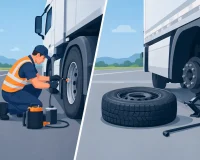
Hunter Mobile Truck Tyres supports trucks, trailers, tippers and fleet vehicles with on-site tyre repairs, fitting and emergency replacement across the Hunter region. Mobile support means a puncture, damaged casing or blowout can be assessed where the vehicle is, rather than adding a workshop trip to an already costly delay.
Get more life from whichever tyre you choose
The best tyre strategy is wasted if basic maintenance slips. Check pressures when tyres are cold, inspect for cuts and embedded objects, and act early on irregular wear. Shoulder wear can point to inflation issues, while one-sided wear may indicate alignment, suspension or axle concerns. Fixing the cause protects the replacement tyre from suffering the same fate.
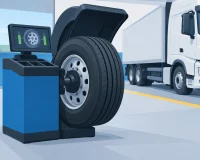
Rotation and balancing also matter, particularly where axle loads and routes create uneven wear. Keep records of fitment dates, tyre positions, repairs, pressures and kilometres. These records show whether a retread is delivering the savings you expected and whether a particular new tyre brand or pattern is earning its place in the fleet.
A quality retread can be a smart commercial tyre choice. A quality new tyre can be the right call when the job demands maximum certainty. Choose based on the axle, load, route, casing condition and cost of downtime – then keep that tyre properly maintained so it can do the job it was fitted for.