A puncture on the New England Highway, a damaged trailer tyre outside a Muswellbrook depot, or a blowout on the way to a site can stop a full day’s work in minutes. When you need roadside tyre repair Muswellbrook operators can rely on, the priority is simple: get the vehicle assessed, make it safe, and get it moving again without sending it on an unnecessary trip to a workshop.
For truck drivers, earthmoving crews, agricultural operators and fleet managers, tyre trouble is not a minor inconvenience. A parked-up prime mover, tipper or trailer affects delivery times, booked loads, drivers, customers and the next job on the schedule. A mobile tyre technician brings the right equipment, practical experience and tyre options directly to the roadside, depot or job site, helping reduce the downtime that costs your operation money.
Roadside Tyre Repair Muswellbrook When Time Matters
Muswellbrook sits at the centre of busy Hunter Valley transport, mining, agricultural and construction activity. Heavy vehicles work long hours across local roads, regional highways and rough job sites. That work is hard on tyres. Sharp debris, damaged shoulders, heat, heavy loads, uneven surfaces and gradual pressure loss can all turn into a roadside problem when you least need one.
A proper mobile response starts with more than fitting whatever tyre is available. The technician needs to identify what has failed and whether the tyre can be safely repaired. A nail or screw through a repairable section of a tyre may be a different job from a sidewall cut, separated casing, bead damage or a tyre that has been driven flat. The right answer depends on the damage, the tyre’s condition, its position on the vehicle and the load the vehicle must carry.
That is why an on-site assessment matters. If a safe repair is possible, it can avoid the cost and delay of a replacement. If it is not, fitting a suitable replacement tyre on the spot is the safer and more reliable call. The aim is not just to get the wheel turning – it is to get your truck, trailer or machinery back on the road with confidence.
What to Do When a Truck Tyre Fails
The decisions made in the first few minutes can protect people, equipment and the tyre itself. If you notice a tyre issue while driving, reduce speed steadily and avoid sudden steering or braking where conditions allow. Pull over only where there is enough room for the vehicle and other road users to pass safely.
Once stopped, put hazard lights on and make the area as safe as possible. Do not keep driving on a visibly flat or damaged tyre just to reach the next town, depot or service station. Running flat can destroy the casing, damage the wheel and turn a potentially repairable puncture into a full tyre replacement.
When arranging mobile assistance, give clear details from the start. Your location or nearest landmark, truck or trailer type, tyre size if known, the axle position, and whether the tyre is flat, blown out or losing pressure will help the technician prepare properly. Let them know if you are carrying a load, working at a mine, farm or construction site, or stopped in a location with restricted access. Clear information means less back-and-forth and a better chance of arriving with the right tyre and equipment.
Repair or Replacement? The Safe Call Depends on Damage
Every driver wants the quickest and most cost-effective fix. Often, that is a puncture repair. But a repair must be suitable for a heavy vehicle and carried out only when the tyre structure remains sound.
A repair may be considered when the puncture is in an appropriate repairable area and the tyre has not been operated flat or badly overheated. The tyre will need to be inspected, including internally where required, to check for hidden damage. A temporary external plug alone is not the same as a professional heavy vehicle tyre repair.
Replacement is usually the better option where damage affects the sidewall or shoulder, the casing is compromised, cords are exposed, the tyre has suffered a serious blowout, or it has been driven underinflated for too long. It can feel frustrating to replace a tyre that still has visible tread, but tread depth is only one part of tyre safety. The internal condition of the casing matters just as much.
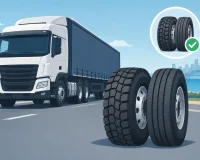
For fleet operators, tyre matching also deserves attention. Different tread patterns, tyre sizes, load ratings and overall diameters can affect handling and wear, especially across drive and trailer axles. An experienced mobile service can help select a suitable new or used truck tyre for the immediate job, while keeping longer-term fleet requirements in mind.
More Than a Puncture Fix
Roadside tyre work often reveals issues that caused the failure in the first place. A tyre may have picked up a puncture, but poor inflation, worn suspension components, wheel damage or an overloaded axle can make the next failure more likely. Fixing the flat is urgent. Finding the reason behind it can save another callout down the track.
Pressure checks are a practical starting point. Underinflation creates excess heat and sidewall flex, while overinflation can reduce the tyre’s contact patch and make it more vulnerable to impact damage. On heavy vehicles, a small pressure problem can become expensive quickly when the vehicle is running long distances or carrying serious weight.
Wheel and tyre condition should be checked at the same time. Uneven wear can point to alignment, balancing, rotation or mechanical issues. A tyre wearing heavily on one edge, for example, is not simply a tyre problem. Replacing it without addressing the cause can mean the new tyre wears out early as well.
Hunter Mobile Truck Tyres provides mobile support for emergency tyre replacement, puncture repairs, tyre fitting, pressure checks and blowout recovery, giving local operators a practical option when workshop travel is not realistic. For a vehicle stranded roadside or a machine unable to leave site, on-site service can keep the job moving with far less disruption.
Keep Your Fleet Moving Before the Next Callout
Emergency roadside support is essential, but planned tyre care is where many businesses reduce avoidable downtime. This is particularly true for fleets working regular runs through Muswellbrook, Singleton, the Golden Highway and wider Hunter Valley routes. Long distances, loaded trailers and demanding site conditions give tyres little room for neglect.
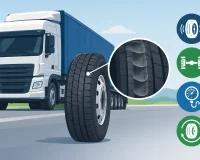
A simple inspection routine before a shift can identify trouble early. Drivers should look for visible cuts, embedded objects, bulges, uneven wear, low pressure and damaged valve caps. They should also pay attention to changes in steering feel, vibration, pulling under brakes or repeated pressure loss. These are warning signs worth reporting before they become a roadside recovery.
Fleet tyre management is not about replacing tyres early for the sake of it. It is about tracking wear, pressures, rotations and repairs so tyres are used safely and efficiently. The best approach depends on your vehicles, loads, routes and operating hours. A local tipper working rough access roads will have different tyre demands from a linehaul truck running sealed highway kilometres.
24/7 Mobile Support for Heavy Vehicles
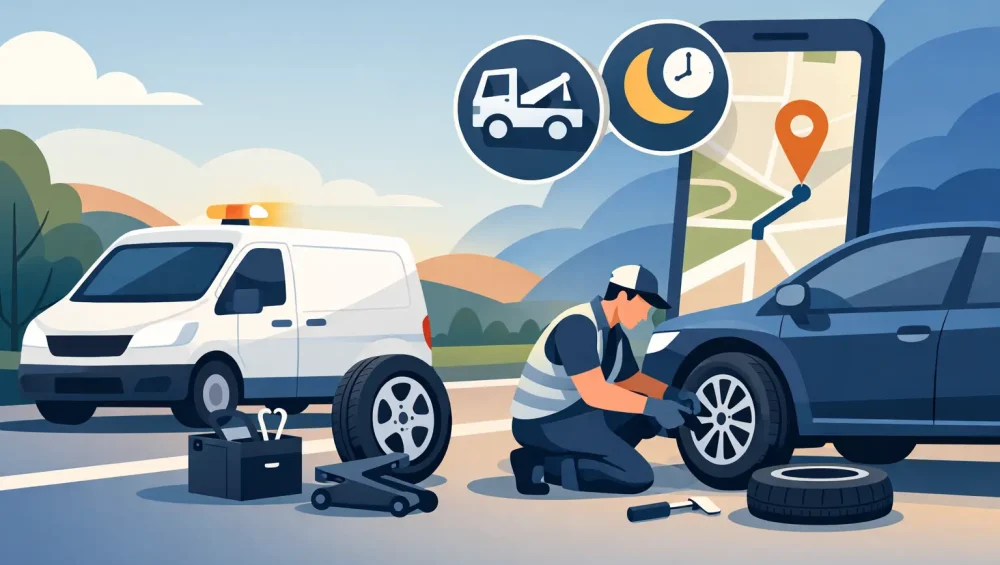
Tyre failures do not wait for business hours. A trailer can lose pressure before an early departure, a truck can suffer a blowout late at night, and machinery can be parked on a remote site when the next shift is due to start. Having access to a 24/7 mobile tyre service means you have a practical response when waiting until morning is not an option.
If you are stopped safely, provide accurate location details and avoid attempting a risky roadside change without the correct equipment. Heavy vehicle wheels, loads and traffic conditions leave little room for shortcuts. A professional mobile technician can assess the situation, carry out a suitable repair where safe, or fit a replacement tyre so you can make a clear decision about the next leg of the job.
When a tyre lets you down near Muswellbrook, act early. The sooner the fault is reported and assessed, the better the chance of protecting the wheel, saving the casing and keeping your vehicle where it belongs – earning, not parked on the side of the road.