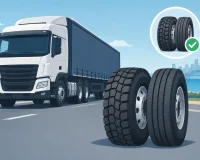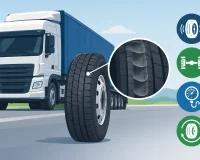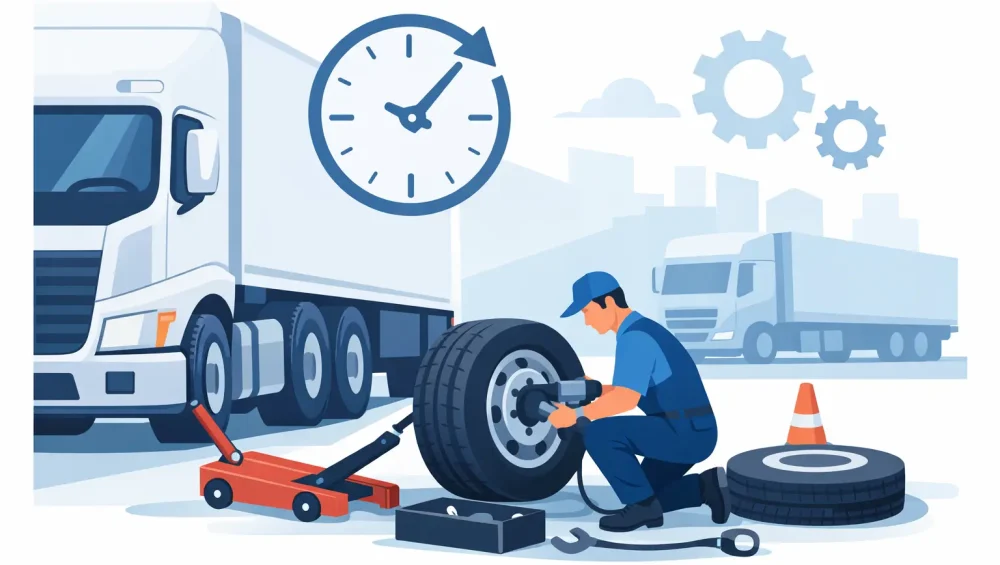
A blown tyre on a loaded truck does not just interrupt the day – it throws off delivery times, puts pressure on drivers, and costs money by the minute. That is why commercial truck tyre repairs matter so much for owner-drivers, fleet operators and businesses that rely on heavy vehicles to stay on schedule. When a truck is parked up on the shoulder, at a depot or out on a job site, the priority is simple: get it assessed properly and get it moving again without wasting time.
For heavy vehicle operators, tyre trouble rarely arrives at a convenient time. It happens on the highway before dawn, on a regional run, in the middle of a tight delivery window or just as a vehicle is about to leave the yard. In those moments, the quality of the repair matters just as much as the speed. A rushed fix that does not suit the damage can lead to another failure down the track. A proper on-site response saves both downtime and bigger costs later.
When commercial truck tyre repairs are the right option
Not every damaged truck tyre needs to be thrown out. In many cases, a repair is the quickest and most cost-effective solution, especially when the damage is caught early and the tyre casing is still sound. A straightforward puncture in a repairable area may be fixed safely if the internal structure has not been compromised.
That said, there is no one-size-fits-all answer. The location of the damage, the size of the puncture, the tyre condition, the load the vehicle carries and the type of work it does all affect whether a repair is suitable. A steer tyre running highway kilometres has different demands to a drive or trailer tyre on mixed surfaces. That is why assessment on the spot matters.
For commercial operators, the real value is not just having someone turn up quickly. It is having a technician who can tell the difference between a tyre that can be repaired safely and one that should be replaced immediately. That decision protects the vehicle, the load and the driver.
When repair is not the smart call
There are times when commercial truck tyre repairs are not worth the risk. If a tyre has suffered a major blowout, sidewall damage, severe separation, exposed cords or damage caused by running flat, replacement is usually the safer path. Trying to save a tyre that has structural damage can create more downtime later, and in transport, repeat breakdowns are expensive.
A cheap fix can become a costly mistake if it leads to another roadside stop, missed delivery slot or damage to associated components. Fleets know this well. So do experienced owner-drivers. The right call is not always the lowest upfront cost – it is the option that gets the truck back into reliable service with confidence.
That is where practical, honest advice counts. Good tyre support should not push repairs where they do not belong. It should focus on what keeps the vehicle productive and safe.
Why mobile truck tyre service changes the game
Taking a heavy vehicle off route and into a workshop for tyre work can chew up hours. There is the travel time, the wait time, the loss of productivity and, in some cases, the cost of shifting a disabled truck that cannot get there under its own steam. Mobile service removes that problem by bringing the repair or replacement to the truck.
For operators across the Hunter region, that makes a genuine difference. A truck stopped on the M1, a trailer down at a depot in Beresfield, or a tipper parked at a work site near Maitland all need the same thing – fast tyre help where the vehicle already is. Mobile response keeps delays shorter and reduces the disruption to the rest of the day.
It also helps with jobs that are urgent but not full emergencies. A slow leak, uneven wear issue or damaged valve can often be handled on-site before it turns into a breakdown on the road. That is a better outcome for everyone.
What a proper on-site tyre repair should include
Speed matters, but so does doing the job properly. A quality mobile tyre callout should begin with a clear inspection of the tyre and wheel assembly, not a guess from a distance. The cause of the issue needs to be identified first. Sometimes what looks like a puncture is actually bead damage, pressure loss from a valve problem, or wear caused by alignment and loading issues.
Once the fault is confirmed, the repair method has to suit the tyre and its operating conditions. Heavy vehicles work hard. Their tyres deal with weight, heat, distance and rough surfaces. That means repairs should be completed to a proper standard, with the technician also checking for related issues such as irregular wear, pressure imbalance or damage to nearby tyres.
This is where experience on commercial vehicles counts. Trucks, trailers, tippers and long-haul units all have different demands. A service that works on heavy vehicles every day is more likely to spot the warning signs early and recommend the right next step.
The hidden cost of waiting too long
Plenty of tyre problems start small. A nail in the tread, a slow pressure loss or a vibration that seems minor can turn into a much bigger issue if the truck keeps running. Delayed action often means more casing damage, more wear on the tyre, and a higher chance of a roadside failure under load.
For fleet managers, that delay can spread beyond one vehicle. A truck off the road affects schedules, customer commitments and driver time. For owner-drivers, it is even more direct. If the truck is not moving, income is not being generated. Acting early gives you more repair options and usually lowers the total cost.
That is why routine tyre checks matter just as much as emergency response. Pressure checks, rotation, wear monitoring and quick action on damage all help reduce the number of urgent callouts. Emergency support is essential, but prevention still saves the most time.
Choosing a provider for commercial truck tyre repairs
When you need tyre help fast, reliability matters more than fancy promises. The right provider should be available when transport operators actually need them – including after hours, weekends and early starts. They should understand heavy vehicle requirements, turn up equipped to handle the job, and give clear advice about repair versus replacement.
Local knowledge also makes a difference. A team that regularly supports trucks across highways, regional routes, depots and remote work areas can respond with fewer delays and a better understanding of how commercial operators work. In a region like the Hunter, where vehicles move between urban freight, industrial sites and longer regional runs, that practical experience counts.
Hunter Mobile Truck Tyres is built around that need for fast, on-site heavy vehicle tyre support. The focus is simple: reduce downtime, keep operators moving and deliver tyre service where it is needed most.
Repairs are only one part of the bigger picture
The best approach to tyre support is not waiting for something to go wrong. Commercial truck tyre repairs are vital, but they work best as part of a broader maintenance plan. Fleets that stay on top of tyre condition usually deal with fewer roadside failures, more consistent wear and better tyre life across the board.
That may include regular inspections, pressure checks, balancing, rotation and timely replacement of worn tyres before they become a risk. It can also mean using a mix of new and quality used truck tyres depending on the vehicle, route and budget. There is room for different solutions, provided safety and reliability stay front and centre.
For some operators, the priority is maximum uptime on linehaul work. For others, it is keeping earthmoving or agricultural vehicles working in demanding conditions without hauling them back to town for every tyre issue. The right support should fit the job, not force every customer into the same approach.
A truck tyre problem can derail a shift fast, but the right response gets things back under control just as quickly. If you treat tyre issues early, use experienced heavy vehicle technicians and choose on-site service when time matters, you give your business the best chance of staying on the road where it belongs.