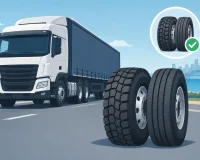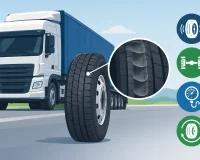
A tyre failure at the depot is frustrating. A tyre failure loaded up on the M1, Golden Highway or a remote job site can put a truck, driver and delivery schedule out of action fast. Choosing the best truck tyres for fleets is not about fitting the most expensive tyre available. It is about putting the right tyre in the right position, keeping it correctly maintained and having reliable support ready when the unexpected happens.
For Hunter region fleets, tyres need to cope with more than kilometres. They may face highway running one day, rough access roads the next, heavy loads, tight delivery windows and long hours. A smart tyre decision protects your operating budget, your drivers and your ability to keep work moving.
There Is No One Best Tyre for Every Fleet
The best fleet tyre is the one that matches the work your vehicles actually do. A long-haul prime mover running mainly sealed highways needs a different tread pattern and casing specification from a tipper working through quarry entrances, muddy sites and broken local roads.
Start with the conditions that cause your fleet the most tyre wear or damage. Consider average payload, axle loads, road surfaces, trip distance, number of turns, speed, weather exposure and whether vehicles regularly run empty and then loaded. These details affect tread wear, heat build-up, sidewall damage and fuel use.
A tyre that gives excellent mileage on a highway trailer may scrub out quickly on a truck making frequent tight turns around urban loading docks. Likewise, a deep, aggressive drive tyre can provide valuable traction on loose ground, but may not deliver the same fuel efficiency or quiet running as a highway-focused option. The right choice depends on the job, not the sales pitch.
Match Tyres to Their Axle Position
Steer, drive and trailer tyres have different jobs. Fitting tyres with the correct construction and tread design for each axle is one of the simplest ways to improve wear rates and vehicle handling.
Steer tyres need stable handling, strong rib patterns and predictable wear. Drive tyres need traction and should handle the torque being put through them, particularly for loaded trucks, tippers and vehicles working on unsealed surfaces. Trailer tyres are often selected for low rolling resistance, straight-line stability and resistance to irregular wear.
It can be tempting to standardise on one tyre pattern across everything to simplify purchasing. In some smaller fleets that may be practical. But standardising by axle application, rather than using one tyre everywhere, generally gives a better result over the life of the tyre.
Best Truck Tyres for Fleets Start With Cost Per Kilometre
The purchase price matters, but it is only the first number. A cheaper tyre that wears early, damages easily or cannot be retreaded can cost far more than a quality tyre with a longer service life. The figure that matters is cost per kilometre.
Work out what each tyre has genuinely delivered by tracking its fitted date, purchase cost, position, kilometres travelled, repairs, rotations and removal reason. Over time, this shows which tyres are earning their place in your fleet and which ones are costing you through early wear or repeated issues.
A sound casing can also have value beyond its first tread life. For suitable fleet applications, a quality retread program can reduce tyre costs while making better use of the original casing. Retreads are not automatically right for every vehicle or route, and they need proper casing inspection and reputable workmanship. For many trailer and highway applications, however, they can be a practical part of a controlled tyre budget.
Do not judge a tyre solely by how much tread is left when it comes off. Look at why it came off. A tyre removed because of a repairable puncture is different from one removed due to chronic shoulder wear, heat damage, sidewall cuts or an unrepairable blowout. The reason tells you whether the problem is the tyre, the route, the load, the wheel alignment or maintenance practices.
Tyre Pressure Is Where Fleet Savings Are Won or Lost
Underinflation creates heat, increases rolling resistance and places extra stress on the casing. It can lead to faster shoulder wear, poor fuel economy and a greater risk of tyre failure. Overinflation can reduce the contact patch, make the ride harsher and contribute to centre wear.
The correct pressure is not a guess. It should be based on the tyre manufacturer’s load and inflation guidance, the axle load and the way the truck is being used. A vehicle that runs loaded one way and empty on the return journey may require a clear pressure-management process that reflects its real operating conditions.
Pressure checks need to be routine, not just something done after a driver notices a tyre looks low. Cold-pressure checks before a run are the most useful, because tyres heat up during operation and give a misleading reading afterwards. Drivers should also be encouraged to report vibration, pulling, unusual noise or a change in handling straight away. These can be early warnings of a tyre or wheel issue.
Build a Fleet Tyre Plan That Prevents Roadside Delays
A fleet tyre plan does not need to be complicated, but it must be consistent. The goal is to find wear and damage early, before a truck is stuck on the shoulder or unable to leave the yard.
A practical plan should cover four areas:
- Scheduled tyre pressure, tread-depth and visible-damage inspections.
- Rotation and wheel balancing where the vehicle and tyre application require it.
- Alignment checks when uneven wear, steering pull or suspension issues appear.
- Clear records for fitted tyres, repairs, removals and tyre-related callouts.
Regular inspections make patterns obvious. If the same trailer position keeps losing tyres, look beyond the tyre itself. A bent rim, brake drag, incorrect axle alignment, overloaded axle or suspension fault may be behind the repeat failure. Replacing tyres without fixing the cause only creates another bill down the track.
Fleet managers should also set a clear replacement threshold. Waiting until tyres are completely worn or visibly damaged is false economy. The risk of a roadside failure, delayed load or damaged wheel assembly can quickly outweigh the cost of replacing a tyre at the right time.
Choose a Supplier Who Can Support the Work, Not Just Sell Tyres
Tyre supply is only part of the equation. When a vehicle is down, response time matters just as much as tyre choice. A fleet needs access to the right tyre sizes, practical repair advice and technicians who can attend where the truck has stopped.
This is especially important for operators working across Newcastle, the Hunter Valley, the Hunter Expressway, Muswellbrook, Singleton, Taree and regional job sites. Sending a disabled truck to a workshop is not always possible, safe or efficient. Mobile tyre support can get the work done at the roadside, depot, farm, quarry or transport yard, reducing the time the vehicle is unavailable.
Hunter Mobile Truck Tyres provides on-site fitting, puncture repairs, tyre pressure checks, blowout recovery and fleet tyre support around the clock. That means a tyre issue can be assessed where it happens, with a practical focus on getting your truck or trailer safely back into service.
Know When a Repair Is Sensible and When Replacement Is Safer
Not every puncture means a new tyre is needed. A repair may be suitable when the damage is in a repairable area, the casing has not been compromised and the tyre has enough remaining service life to justify the work. A proper assessment is essential, particularly on heavy vehicles carrying significant loads.
Some damage should never be treated as a quick fix. Sidewall damage, major casing separation, severe heat damage, exposed cords and damage around the bead area can make replacement the safer option. Trying to stretch a damaged tyre can turn a manageable problem into a blowout, wheel damage or a serious roadside incident.
The best fleet tyre strategy is one that keeps trucks earning without cutting corners. Choose tyres for the work, monitor pressure and wear, act on the first signs of trouble, and keep mobile support ready for the jobs no maintenance schedule can prevent. When every vehicle is expected to keep moving, that preparation pays for itself.