A tyre failure rarely arrives at a convenient time. It turns up when a loaded truck is due at site, a tipper is halfway through a run, or a trailer is sitting on the shoulder of the M1. The best practices for fleet tyres are not about chasing perfect-looking rubber. They are about keeping heavy vehicles safe, legal and moving while avoiding the costly downtime that comes with preventable punctures, blowouts and uneven wear.
For fleet managers, owner-drivers and operators across the Hunter, tyres should be treated as working assets. A planned tyre program costs less than repeated roadside emergencies, missed deliveries and damage caused when a failed tyre takes other components with it.
Start With the Right Tyre for the Work
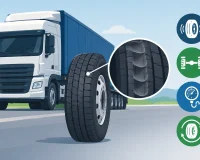
The cheapest tyre at purchase is not always the lowest-cost tyre over its working life. A long-haul prime mover running sealed highways needs a different casing, tread pattern and heat resistance to a tipper travelling between quarry sites, or an agricultural truck working through mud and loose gravel.
Choose tyres around the vehicle’s real operating conditions. Consider axle position, average load, distance travelled, road surface, weather, cornering demands and the likely exposure to debris. Steer tyres need predictable handling and even wear. Drive tyres need traction and durability. Trailer tyres need to carry loads consistently without scrubbing away too quickly.
Retreads can be a sensible option for suitable applications when the casing is sound and the tyre has been professionally assessed. Used tyres may also help in the right low-speed or temporary application, but they must never be a shortcut around safety, load rating or compliance. The right choice depends on the job, the vehicle and the risk of downtime.
Match load and pressure ratings properly
Overloading and underinflation are two of the fastest ways to destroy a heavy vehicle tyre. An underinflated tyre flexes excessively, generates heat and can suffer internal damage before there is much visible warning. Overloading puts extra strain on the casing, particularly on hot roads and long runs.
Make sure every tyre fitted has the correct load and speed rating for the application. Check that dual tyres are compatible and are kept at closely matched pressures and diameters. A mismatch can make one tyre carry more than its share of the load, wearing it out early and creating a weak point in the set.
Best Practices for Fleet Tyres Begin With Pressure Checks
Pressure checks are simple, quick and often skipped when the day gets busy. That makes them one of the most valuable habits in fleet tyre management. Tyres should be checked cold, using a reliable calibrated gauge, against the pressure recommended for the vehicle’s actual load and operating conditions.
A visual check alone is not enough. Heavy vehicle tyres can be dangerously low without looking flat, especially in dual-wheel positions where the inner tyre is harder to see. If a truck has been running with one underinflated dual tyre, the companion tyre may have been overloaded as well. Both need inspection.
For a working fleet, set a routine rather than relying on memory. Daily pre-start checks are ideal for vehicles that operate frequently. Weekly checks may suit lower-use equipment, but any vehicle heading out on a long run should have pressures checked before departure. Record repeated pressure loss, because it often points to a slow puncture, valve issue, wheel damage or leaking rim.
Inspect Early, Before a Small Issue Becomes a Callout
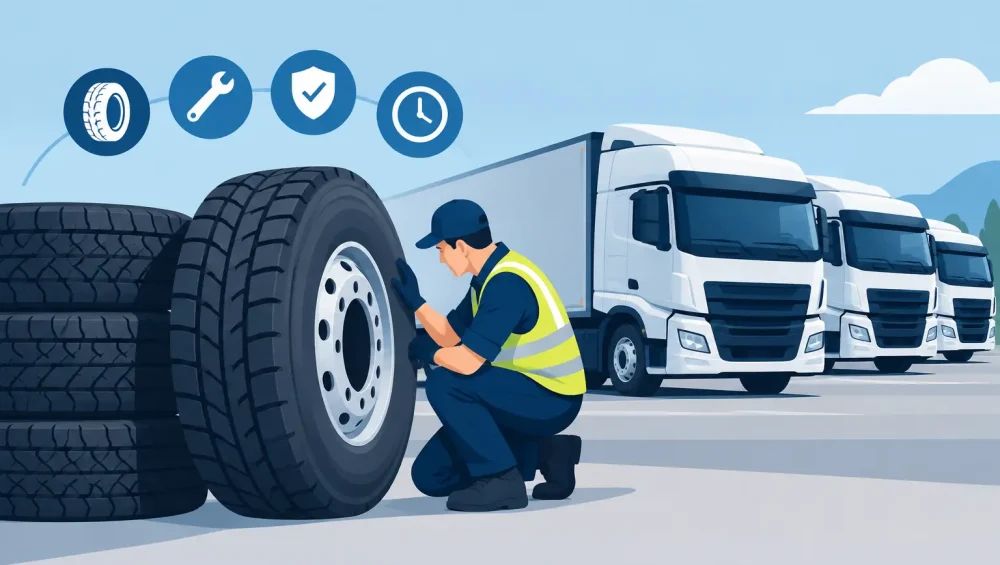
Walk-around tyre inspections should be part of every driver’s pre-start. The aim is not to turn drivers into tyre technicians. It is to catch clear warning signs early enough to organise a repair or replacement before the truck is stuck roadside.
Look for cuts, exposed cords, bulges, cracks, nails or screws, stones packed into tread, damaged valves and uneven tread wear. Inspect sidewalls carefully, especially on vehicles working around construction sites, farms, transfer stations and quarries. Sidewall damage is not something to ignore or patch over.
Pay attention to where wear is appearing. Wear through the centre of the tread can indicate overinflation. Wear on both shoulders often points to underinflation. Feathering, cupping and irregular patches may suggest alignment, suspension, wheel balance or brake issues. Replacing the tyre without addressing the cause can mean the next tyre wears out just as quickly.
Make reporting easy for drivers
Drivers are usually the first people to notice a vibration, steering pull, tyre noise or a change in handling. Give them a clear process for reporting it straight away. A quick phone call, photo and vehicle location can be enough for a fleet manager to decide whether the vehicle can continue safely or needs mobile tyre support.
The goal is not to keep a truck moving at all costs. The goal is to make an informed decision before a minor issue becomes a blowout, an unsafe roadside stop or a missed job.
Rotate, Balance and Align on a Schedule
Tyres do not wear evenly by accident. Drive axles, steer axles and trailers all place different forces on tyres. Regular rotation can spread wear across suitable positions and help get more usable life from the set. The exact rotation pattern depends on the vehicle, tyre design and wear condition, so it should be planned rather than done blindly.
Wheel balancing is particularly valuable where vibration is affecting ride quality, steering or tyre wear. It reduces stress on tyres and components, while making the vehicle more comfortable for the driver on long shifts. Alignment matters just as much. A truck that pulls, wanders or chews through one edge of a steer tyre needs attention before the tyre reaches the end of its serviceable life.
Include tyre work in scheduled maintenance instead of waiting for a service failure. When a vehicle is already stopped for servicing, inspect tread depths, pressures, wheel nuts, valves and rims. This is generally far cheaper than taking the truck out of service later for an urgent replacement.
Track Costs Per Kilometre, Not Just Tyre Purchase Price
Fleet tyre spending is easier to control when it is measured. Record the tyre brand, size, position, fitting date, tread depth, repair history, kilometres travelled and reason for removal. For a small fleet, a simple spreadsheet can reveal useful patterns. Larger fleets may need a formal tyre management system.
Cost per kilometre gives a clearer picture than invoice price alone. A tyre that costs more upfront but lasts longer, retreads successfully and reduces roadside failures may deliver far better value than a cheaper tyre that wears quickly or fails under load.
Also track the cause of unplanned replacements. If punctures are common on a particular route or site, drivers may need a different tyre specification, more frequent checks or a revised operating practice. If steer tyres are wearing unevenly across several vehicles, the issue may sit with alignment procedures rather than tyre quality.
Plan for Emergencies Before They Happen
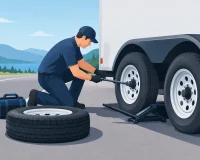
Even the best-maintained fleet can pick up road debris or suffer sudden damage. What separates a manageable incident from a costly delay is preparation. Every driver should know who to call, what vehicle details to provide and how to give an accurate location.
Keep tyre sizes, fitment details and fleet contact information accessible in each vehicle. Drivers should report whether the tyre is on the steer, drive or trailer axle, whether the vehicle is loaded, and whether it is in a safe location. Those details help the responding technician bring the right equipment and replacement tyre first time.
For operators across Newcastle, the Hunter Valley and surrounding freight routes, mobile support can save hours compared with sending a disabled truck to a workshop. Hunter Mobile Truck Tyres provides on-site heavy vehicle tyre assistance for punctures, blowouts, replacements, fitting and ongoing fleet tyre needs, including urgent 24/7 callouts when the vehicle cannot wait.
Treat Tyre Safety as a Shared Job
A strong tyre program needs drivers, workshop staff and fleet management working from the same standard. Drivers need time to complete pre-start checks. Managers need to act on reported faults. Maintenance teams need accurate records and enough lead time to replace tyres before they become a safety risk.
Do not run tyres down to the last possible millimetre simply to stretch the budget. Legal tread depth is only one part of the decision. Wet-weather grip, casing condition, uneven wear and the type of work ahead all matter. A tyre approaching its limit on a lightly loaded local run may be a different proposition to the same tyre heading out loaded on a long highway shift.
The practical approach is simple: inspect regularly, maintain correct pressures, act on unusual wear and have dependable mobile help ready when trouble cannot be avoided. A fleet that plans its tyre care keeps more trucks where they earn their keep – on the road, not waiting for a repair.