A truck sitting on the shoulder with a damaged tyre is not just a tyre problem. It is a missed delivery window, a driver waiting on the side of the road, a customer expecting answers and a fleet schedule that can quickly unravel. Fleet tyres are one of the most controllable parts of heavy vehicle uptime, provided they are managed before small issues become roadside callouts.
For owner-drivers, transport companies, earthmoving crews and agricultural operators, the goal is straightforward: get the most safe, reliable kilometres from every tyre while keeping vehicles where they earn money – on the road or on site. That takes more than replacing tyres when they are worn out. It takes regular checks, the right tyre for the job and fast help when the unexpected happens.
Fleet Tyres Are a Running Cost You Can Control
Tyres work hard on every run. Long highway distances, loaded trailers, rough access roads, quarry tracks, stop-start urban work and hot Hunter summers all place different demands on a casing. A tyre that is right for a linehaul prime mover may not be the best option for a tipper running in and out of a worksite all day.
The cheapest tyre at purchase is not always the lowest-cost tyre over its working life. A better-suited tyre can wear more evenly, resist damage and provide more usable kilometres before replacement. On the other hand, premium tyres are not automatically the answer for every vehicle. The right choice depends on axle position, load, route, road surface, expected kilometres and whether the tyre casing is suitable for retreading.
A practical fleet tyre plan looks at cost per kilometre, not just the invoice price. It also considers the cost of downtime. One unplanned blowout can cost far more than the difference between a tyre selected properly and one fitted simply because it was available.
Start With Pressure, Loads and Daily Checks
Incorrect pressure is one of the fastest ways to shorten tyre life. Underinflated tyres build heat, flex excessively and can suffer internal damage. Overinflation can reduce the contact patch, affect ride and lead to uneven wear. Both can make a tyre more vulnerable when the vehicle is loaded or operating over poor surfaces.
Drivers are in the best position to catch trouble early. A quick walk-around before departure can reveal a soft tyre, a nail or screw, sidewall damage, an exposed cord, a missing valve cap or irregular wear that needs attention. It only takes a few minutes, but it can prevent a tyre failure halfway through a job.
Pressure checks should be done when tyres are cold where possible, using an accurate gauge and the pressure recommended for the tyre, axle and operating load. If your trucks regularly run with changing loads, speak with a tyre professional about a pressure plan that reflects how the vehicles actually work. Guessing is expensive.
Load management matters just as much. Overloading places excessive stress on tyres, particularly on trailer and drive positions. Unevenly distributed loads can create different wear patterns across axles and make steering less predictable. A tyre cannot compensate for poor loading practices.
Read Wear Patterns Before They Cost You
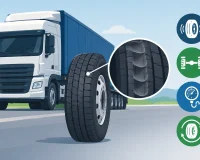
Tyres give clear signs when something is wrong, but the signs need to be acted on. Smooth wear across the tread is expected. Wear concentrated on one shoulder, feathering, scalloping or rapid wear in one position points to an underlying issue.
Shoulder wear can be linked to incorrect pressure or alignment. Cupping and scalloped wear may indicate suspension problems, wheel balance concerns or worn shock absorbers. Feathering can suggest alignment issues, while isolated damaged areas can come from impacts, debris or operation on harsh surfaces.
Rotating tyres where appropriate can help spread wear more evenly, but rotation is not a cure for mechanical faults. If a vehicle is chewing through tyres in one position, the cause needs to be identified. Replacing the tyre without fixing the issue only starts the same costly cycle again.
Regular tyre inspections are also the right time to inspect wheels, valves and rims. A damaged rim, poor seal or leaking valve can slowly lower pressure and leave the driver dealing with an avoidable roadside failure later.
Choose the Right Tyre for the Work
Heavy vehicle tyres are built for specific applications. Steer tyres need reliable handling and controlled wear. Drive tyres need traction and durability. Trailer tyres need to handle scrub forces and long-distance rolling. A vehicle working around mud, gravel, construction sites or paddocks may need a different tread pattern from one spending most of its time on the M1 or Golden Highway.
When selecting tyres, consider the route as well as the vehicle. A long-haul truck may benefit from fuel-efficient highway-focused tyres, while a tipper, waste vehicle or site truck may need stronger protection against cuts and punctures. Mixed-service operations often need a compromise that delivers acceptable road performance while standing up to rougher conditions.
New and used truck tyres can both have a place in fleet operations. A sound used tyre may suit certain lower-kilometre applications or provide a practical short-term solution when a vehicle needs to get back to work. For high-mileage or demanding positions, a new tyre may deliver better long-term value. What matters is honest assessment of condition, legal tread depth, the work required and the risk involved.
Keep Records That Help You Make Better Decisions
A fleet does not need complicated paperwork to improve tyre performance. Keeping basic records for each vehicle can quickly show where money is being lost. Record tyre size, brand, fitment date, position, pressure checks, repairs, rotations and the reason for removal.
Over time, those details reveal patterns. You may find that one route causes more shoulder damage, one trailer is wearing tyres faster, or a particular tyre design performs better for a certain job. That gives you evidence to make purchasing and maintenance decisions, rather than relying on assumptions.
For larger fleets, planned inspections make budgeting easier too. Instead of reacting to several tyres failing at once, you can forecast replacements and arrange work around vehicle availability. For smaller operators, the same approach helps avoid the shock of losing a day because a preventable tyre issue stopped the truck.
When a Roadside Tyre Problem Happens
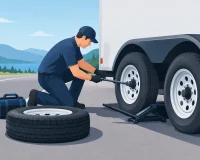
Even well-managed fleet tyres can be damaged by road debris, potholes, sharp site material or sudden failures. When that happens, the priority is safety. Pull over where it is safe to do so, switch on hazard lights and keep clear of traffic. Do not attempt a repair or wheel change on a heavy vehicle unless you have the equipment, training and safe conditions to do it properly.
A mobile tyre service can save the time and expense of getting a disabled truck or trailer to a workshop. The technician comes to the vehicle, assesses the damage and carries out a suitable repair or replacement on site where possible. That is especially valuable on highways, depots, remote jobs and busy work locations where moving the vehicle is difficult.
Hunter Mobile Truck Tyres provides 24/7 mobile support for heavy vehicles across the Hunter region, including emergency tyre replacement, puncture repairs, tyre fitting, wheel balancing and fleet tyre management. Whether the issue is at a depot in Newcastle, a job near Muswellbrook or a roadside stop on the Hunter Expressway, prompt professional support helps reduce the time your vehicle is out of action.
Build a Fleet Tyre Plan Around Uptime
The most effective tyre plan is one your drivers and workshop team can follow consistently. Set clear pressure-check intervals, inspect tyres before long runs, act early on irregular wear and arrange rotations or replacements before a tyre reaches the point of failure. Make sure drivers know who to call after hours and keep tyre sizes, vehicle details and site access information easy to find.
Tyres will always wear, and road hazards will always exist. The difference is whether a tyre issue becomes a planned maintenance task or an expensive interruption. Keep an eye on the tyres carrying your business every day, and when a problem cannot wait, arrange mobile help before downtime gets any bigger.