A tipper sitting on a muddy access track with a damaged tyre can hold up far more than one vehicle. Loads stop moving, operators wait, deliveries miss their slot and a tight programme gets tighter. Construction tyre reliability is not just about buying a tough-looking tyre. It is about keeping every truck, trailer and working vehicle ready for the ground, load and kilometres it faces each shift.
For civil crews, earthmoving operators, quarry contractors and site managers, tyre trouble is rarely convenient. It happens at the gate before daylight, halfway through a haul run, or at the far end of a job where getting back to a workshop costs valuable hours. A reliable tyre plan reduces those risks and gives your team a clear response when something still goes wrong.
Why construction tyre reliability affects the whole job
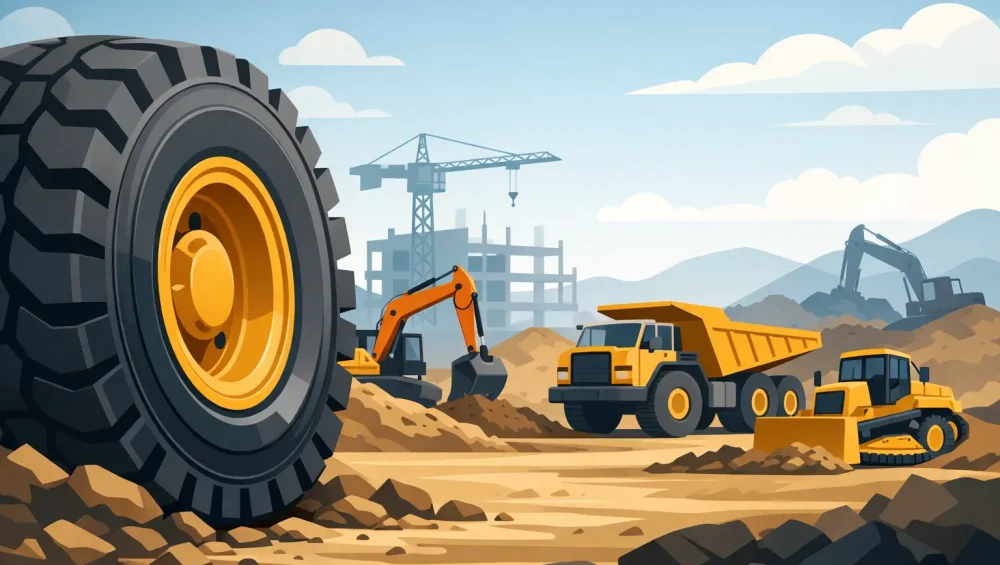
Construction vehicles work in conditions that punish tyres. Sharp rock, scrap metal, rough haul roads, soft shoulders, potholes, wet clay and heavy loads all place pressure on the casing, tread and sidewall. A tyre that is fine on sealed roads may not be the right choice for repeated work across uneven, abrasive ground.
The immediate cost of a puncture or blowout is easy to see. The less obvious cost is the chain reaction around it. An idle operator, delayed material, a missed concrete pour, an unavailable truck for the next run and a crew waiting for the road to reopen can quickly outweigh the repair bill.
Reliability also supports safety. Worn tread can lose grip on loose or wet surfaces. Incorrect pressure can make steering less predictable, increase heat and leave a tyre more exposed to impact damage. A tyre failure on a loaded tipper, trailer or service vehicle needs to be handled properly before it creates a bigger hazard for people on site or road users nearby.
Start with the tyre that suits the work
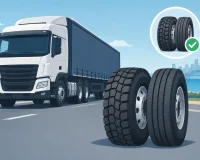
There is no single best construction tyre for every vehicle. The right option depends on whether the vehicle spends most of its time on highway runs, site access roads, quarry tracks or soft ground. It also depends on axle loads, speed, distances travelled and how often the load changes during the day.
A long-haul truck that occasionally enters a construction site needs a different balance from a tipper working through loose gravel every shift. More aggressive tread can improve grip and resistance on difficult ground, but it may wear faster or run less efficiently on long sealed-road kilometres. A road-focused tyre may provide a smoother, longer highway life but be more vulnerable when pushed into harsh site conditions.
This is where tyre selection needs to be practical, not guesswork. Consider the terrain your vehicles actually cover, not just the final destination. Include the access road, loading area, weighbridge queue, depot yard and return route. The toughest section of the run often determines what the tyre must handle.
For mixed fleets, standardising where it makes sense can also help. Keeping suitable common sizes and patterns across similar vehicles makes replacement simpler and reduces the chance of fitting a tyre that does not match the job.
New versus used tyres on working vehicles
Both new and quality used truck tyres can have a place, depending on the application and budget. New tyres are often the sensible choice for higher-mileage vehicles, demanding positions and work where maximum casing life matters. They provide a known starting point for tread depth, condition and performance.
Used tyres can be a practical option for certain lower-speed, lower-kilometre applications when they are properly assessed for condition, size, load suitability and remaining tread. The key is not simply choosing the cheapest tyre available. A low upfront price means little if the tyre is unsuitable for the load or fails before the job is done.
Pressure checks are the simplest reliability habit
Underinflation is one of the most common causes of avoidable tyre damage. A tyre running low flexes more, creates excess heat and puts extra strain on the casing. It can also wear unevenly and use more fuel on road-going vehicles. Overinflation brings its own problems, including a harsher ride, less contact with the surface and a greater chance of damage from sharp impacts.
Pressure should be checked when tyres are cold and against the manufacturer’s recommendation for the actual load and application. A truck that leaves the yard lightly loaded but returns carrying heavy material may need a different approach from a vehicle running the same route empty all day.
Do not rely on a visual check alone. Large commercial tyres can be significantly low on pressure without looking obviously flat. Use a reliable gauge, record recurring losses and investigate the cause. A slow leak may be a valve issue, a damaged rim, a puncture or internal tyre damage. Catching it early is cheaper than dealing with a roadside failure.
Build inspections into the start of the shift
A quick walk-around before a vehicle moves can prevent a long day of disruption. Drivers and operators are usually the first to spot a problem, because they know how the vehicle normally looks and feels. Give them a simple process and make sure concerns are reported before the tyre reaches failure point.
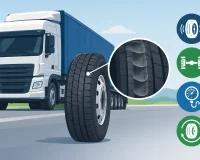
Check for cuts, exposed cords, sidewall bulges, embedded objects, cracking, uneven wear and stones trapped between dual tyres. Look at wheel nuts, rims and valve caps as well. On dual assemblies, one failed tyre can overload the other, so both tyres need attention.
Wear patterns tell a story. Wear concentrated in the centre can point to overinflation, while shoulder wear often suggests low pressure. One-sided wear may indicate alignment, suspension or steering issues rather than a tyre problem alone. Replacing the tyre without addressing the cause only repeats the expense.
For fleet operators, keeping a record of tyre position, pressure, repairs and wear makes decisions easier. You do not need pages of paperwork to get value from it. A consistent record helps identify vehicles that are chewing through tyres, routes that cause repeated damage and rotations that should happen sooner.
Manage heat, load and speed together
Tyres carry the load, but heat is often what finishes them off. Heavy loads, extended travel, low pressure, high speed and hot road surfaces all increase operating temperature. Construction work can combine several of these pressures, particularly when a truck is moving between a remote site and a delivery point.
Stay within the vehicle and tyre load ratings. Avoid treating tyres as the solution to overloading, poor load distribution or rushed driving. A correctly inflated tyre cannot compensate for a load that exceeds what the vehicle is designed to carry.
Speed matters on rough ground too. Hitting potholes, rocks or washouts at speed can damage a tyre internally even if the outside looks acceptable at first glance. Site speed limits and careful route maintenance protect more than the vehicle suspension. They protect the tyres that keep production moving.
Plan for failures instead of hoping they do not happen
Even well-managed tyres can pick up a nail, cut a sidewall or suffer impact damage. The difference between a manageable incident and a costly delay is the response plan. Drivers should know who to call, what vehicle details to provide and how to make the location safe while help is arranged.
For vehicles working away from the depot, mobile tyre support is often the fastest option. A technician can attend the roadside, a yard, a quarry entrance or a remote job site with the equipment needed to inspect the damage, repair a suitable puncture or replace the tyre. That saves the time and risk involved in trying to limp a damaged vehicle back to a workshop.
When you call for assistance, have the tyre size, vehicle type, axle position and exact location ready if possible. Let the technician know whether the vehicle is loaded, whether access is suitable for a service vehicle and whether there are site induction or safety requirements. Clear information helps get the right tyre and equipment to you first time.
Hunter Mobile Truck Tyres provides 24/7 mobile support for heavy vehicles across the Hunter region, helping operators deal with punctures, blowouts, tyre fitting and urgent replacements where the vehicle is stopped. For fleets travelling between Newcastle, the Hunter Valley, the M1 and regional job sites, that on-site response can make the difference between a short interruption and a lost day.
Make tyre reliability part of daily site control
The strongest tyre programme is not complicated. It combines suitable tyres, correct pressures, regular inspections, sensible loading and a fast repair plan. It also recognises that the site itself affects tyre life. Keeping access tracks clear of sharp debris, repairing deep potholes and maintaining firm loading areas can prevent repeated damage across the whole fleet.
If one truck is suffering frequent punctures, do not accept it as part of the job. Check the route, the load, the tyre specification and the vehicle condition. A small change made early can save multiple callouts and keep your crew where they need to be: working, not waiting beside a stranded vehicle.
When the next job starts before sunrise or runs beyond knock-off, make sure your tyre plan is ready before the first load moves. Reliable tyres and a dependable mobile response give every construction operation more room to keep the work flowing.