A truck tyre blowout rarely comes out of nowhere. The warning signs are often there first: a tyre running soft, uneven wear on one shoulder, a slow puncture, an overloaded axle or excessive heat after a long run. Ignore those signs and a minor tyre issue can quickly become a dangerous roadside stop, missed delivery or costly recovery.
Knowing how to prevent truck tyre blowouts starts with treating tyres as working equipment, not an afterthought. For owner-drivers, fleet managers, tipper operators and long-haul transport businesses, a few regular checks can protect your driver, load, schedule and bottom line.
How to Prevent Truck Tyre Blowouts Before They Start
Blowouts are usually caused by a combination of pressure, heat, damage and load. Heavy vehicles put tyres under serious stress every day, particularly on long highway runs, rough access roads, job sites and regional routes. Prevention comes down to finding problems early and correcting the cause rather than simply replacing tyres after they fail.
Check tyre pressures when tyres are cold
Incorrect tyre pressure is one of the biggest causes of truck tyre failure. An underinflated tyre flexes too much as it rolls. That flexing builds internal heat, weakens the casing and can lead to a rapid failure at speed. It can also increase fuel use and wear the tyre shoulders faster.
Overinflation creates problems too. The tyre has less road contact, traction can suffer and the centre of the tread may wear prematurely. On rough roads, an overinflated tyre is also more vulnerable to impact damage from potholes, rocks and debris.
Check pressures before the truck begins its shift, while tyres are cold. Use the pressure recommended for the tyre size, axle position and operating load. Do not assume every tyre on the vehicle should run the same pressure. Steer, drive and trailer tyres can have different requirements, especially when load weights change.
A pressure check only takes minutes, but it needs to be consistent. If a tyre repeatedly loses pressure, it needs attention. A slow leak from a puncture, valve, bead or wheel issue can become a blowout if the vehicle keeps running.
Inspect every tyre before heading out
A quick walk-around is one of the most practical habits a driver can build. Look over each tyre, including the inside dual where possible. You are checking for cuts, exposed cords, bulges, embedded objects, missing chunks of rubber and unusual wear.
Pay close attention to tyres that have struck a kerb, pothole or site debris. Damage is not always obvious from the outside. A hard impact can compromise the tyre casing or wheel, even if the tyre initially holds air.
If you find a nail, screw or other object, do not pull it out and keep driving. The object may be slowing the leak, and removing it can leave you stranded. Have the tyre assessed and repaired properly if it is safe to do so. A mobile tyre technician can inspect the tyre where the truck is parked, avoiding unnecessary travel on a damaged casing.
Watch tread wear patterns
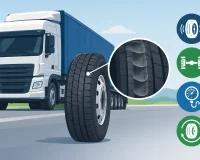
Tyres do not wear unevenly without a reason. Feathering, one-sided wear, cupping and bald patches point to issues such as poor alignment, wheel balance problems, worn suspension parts, incorrect pressure or overloaded axles.
A tyre with low tread has less protection against road hazards and sheds heat less effectively. In wet conditions, reduced tread also affects braking and grip. Replace tyres before they become a risk, not after they have reached the point of failure.
Keep an eye on paired tyres as well. Dual tyres should be closely matched in size and wear. A significant difference in rolling circumference means one tyre can carry more of the load than the other. That overload creates heat and can shorten tyre life dramatically.
Match Tyres to the Load and the Job
The cheapest tyre is not always the lowest-cost choice. A tyre that is unsuitable for the load, road surface or driving pattern may wear quickly, suffer casing damage or fail when it is needed most.
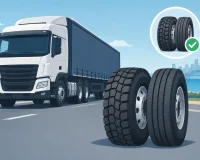
A long-haul truck spending most of its time on the M1 or Golden Highway needs a different tyre approach from a tipper working through gravel, quarry access roads or construction sites. Drive tyres, steer tyres and trailer tyres each do different work. Their tread patterns, load ratings and casing construction should suit their position on the vehicle.
Never overload the truck, trailer or individual axle. Even when the total load appears acceptable, poor load placement can put too much pressure on one axle or one side of the vehicle. Overloaded tyres run hotter, flex more and are far more likely to fail.
Secure loads properly so weight does not shift during braking or cornering. A sudden shift can overload one side of the trailer and place extreme strain on tyres and suspension. If your operation regularly carries changing loads, review tyre pressures and load ratings as part of dispatch planning.
Control Heat on Long Runs
Heat is a tyre’s enemy. It builds from underinflation, high loads, high speeds, hot road surfaces, hard braking and extended travel. During summer or long regional runs, tyres can be working at their limit well before a driver sees a visible problem.
Plan regular stops to inspect tyres, particularly after rough sections of road or when hauling at maximum legal weight. Look for a tyre that appears flatter than the others, smells of hot rubber or has rubber dust around it. Compare tyre temperatures carefully without touching hot tyres directly. A tyre running noticeably hotter than the rest deserves immediate attention.
Speed also matters. Driving faster than conditions allow raises tyre temperature and increases the force of impacts with road hazards. Slow down on damaged roads, around construction zones and on unsealed surfaces. A few minutes saved is not worth a failed tyre, damaged guard or hours of downtime.
Brakes and wheel bearings should also be maintained. A dragging brake or failing bearing can transfer serious heat into the wheel and tyre area. If a hub is overheating, replacing the tyre alone will not solve the problem.
Maintain Wheels, Valves and Suspension
Tyres are only as reliable as the components supporting them. Cracked wheels, damaged rims, leaking valves, loose wheel nuts and poor wheel balance can all contribute to tyre damage and failure.
During servicing, inspect valve stems and caps, check wheel nut torque and look for rim damage around the bead seat. Air leaks at the bead can be slow and difficult to spot, but they will steadily lower pressure and increase heat. Use quality valve caps to keep moisture and dirt out of valve cores.
Alignment and suspension maintenance deserve the same attention. A worn shock absorber, damaged bush, bent component or incorrect alignment can scrub thousands of kilometres from a tyre’s usable life. It may not cause an instant blowout, but it creates weak points that can fail under load.
Wheel balancing is particularly worthwhile when vibration is felt through the steering wheel or chassis. Vibration accelerates wear, reduces driver comfort and can place extra strain on tyres and steering components. Deal with it early rather than letting it develop into a bigger repair.
Build a Simple Fleet Tyre Routine
For a single truck, a written pre-start checklist is enough to keep tyre checks on track. For a fleet, tyre management needs clear records. Record tyre pressures, tread depth, repairs, rotations, replacements and recurring faults. This helps identify patterns, such as a trailer position that repeatedly damages tyres or a route that is causing more punctures.
A practical routine should include daily visual checks, scheduled cold-pressure checks, regular tread measurements and prompt repairs for punctures or wheel damage. Rotate tyres only when it suits the tyre type, wear pattern and manufacturer guidance. Rotation can extend tyre life, but moving a tyre without addressing the reason for uneven wear simply shifts the problem to another axle.
Drivers should be encouraged to report vibration, pulling, pressure loss and impact damage straight away. Waiting until the next scheduled service is risky when a tyre is already compromised. Fast reporting gives you the best chance of repairing a tyre before the casing is ruined.
What to Do If a Tyre Fails on the Road
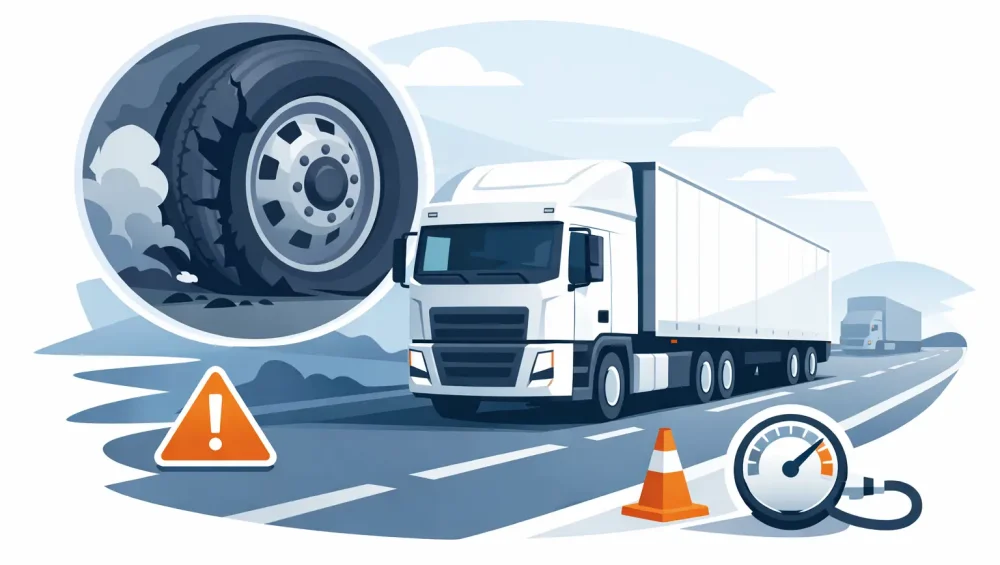
Even well-maintained tyres can be damaged by unavoidable debris or severe road hazards. If a blowout occurs, stay calm, hold the steering wheel firmly and avoid sudden braking or sharp steering. Ease off the accelerator, allow the vehicle to slow in a controlled way and move to a safe location when possible.
Do not continue driving on a flat or failed tyre to reach a workshop. Running on a damaged tyre can destroy the casing, damage the wheel and create further safety risks. Secure the area, assess the situation safely and arrange professional roadside support.
For operators across the Hunter region, Hunter Mobile Truck Tyres provides 24/7 mobile tyre assistance for punctures, blowouts, replacements and on-site fitting where your truck, trailer or equipment is stopped. Getting the right help to the vehicle can reduce downtime and prevent a manageable tyre problem from becoming a full-day delay.
The best time to deal with a tyre issue is before it leaves you on the shoulder. Make pressure checks, visual inspections and prompt repairs part of every working week, and your tyres will have a far better chance of carrying the load safely all the way home.