A truck tyre pressure check can be the difference between finishing a run and sitting on the shoulder waiting for help. A tyre that looks only slightly soft can build serious heat under a loaded truck, trailer or tipper. That heat damages the casing, wears the shoulders fast and can turn a manageable issue into a costly roadside failure.
For owner-drivers and fleet operators, pressure checks are not a box-ticking exercise. They are a practical way to protect tyre life, keep fuel use under control and reduce the chance of downtime when the vehicle should be earning.
Why truck tyre pressure matters on every run
Truck tyres carry huge loads over long distances, rough access roads, tight urban deliveries and changing weather. Their pressure needs to support the actual load on each axle, not just a figure someone remembers from the last service. A steer tyre, drive tyre and trailer tyre may all require different pressures depending on tyre size, axle rating, load and application.
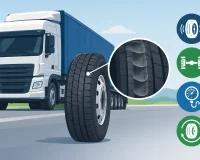
Under-inflation is the common danger. The tyre flexes more than it should, creating excess heat in the sidewall and shoulder area. You may see rapid edge wear, poor handling, reduced fuel efficiency and, eventually, casing damage or a blowout. On a long-haul run through the Hunter Valley or up the Golden Highway, that damage can build quickly.
Over-inflation brings its own problems. The tyre can run harder through the centre of the tread, reducing the contact patch and wearing the middle faster. Ride quality may suffer, traction can be reduced on loose ground and the tyre is more exposed to impact damage from potholes, rocks and road edges.
Correct pressure supports even tread wear, stable steering, braking performance and better load handling. It also gives a technician a useful starting point when diagnosing repeat tyre damage across a fleet.
Truck tyre pressure check: the right way to do it
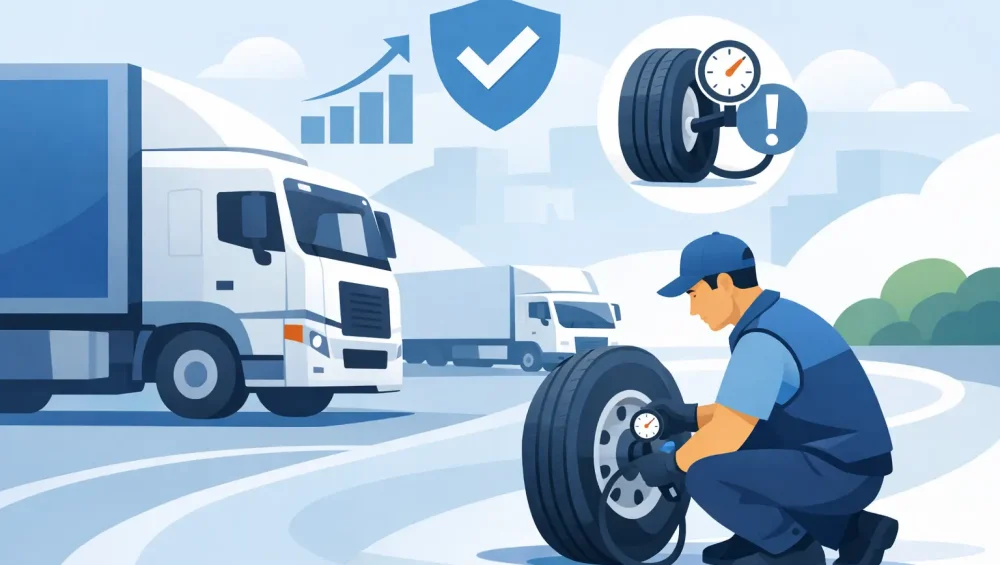
A proper check takes only a few minutes when it becomes part of the pre-start routine. The key is consistency. Check tyres before the vehicle leaves, when the tyres are cold wherever possible, and record anything that does not look right.
Check cold pressures, not hot pressures
Tyres heat up naturally while driving, so pressure rises during a run. Measuring a hot tyre against a cold pressure target can lead to incorrect adjustments. Ideally, check pressure before the truck has been driven or after it has been parked long enough to cool.
If you must inspect tyres during a trip, use the reading as a condition check rather than automatically letting air out. A tyre running noticeably hotter or with a significantly different pressure from the tyres beside it may point to a leak, overload, brake issue or internal tyre problem. Get it assessed before it becomes a failure.
Use a reliable heavy-vehicle gauge
A quality calibrated gauge is worth having in every truck and depot. Small car-style gauges are not always suited to the higher pressures used on commercial tyres, and guessing by looking at the sidewall is never good enough. Dual-wheel setups need particular attention because an inner tyre can be low or flat without being obvious at a glance.
Check every position: steer, drives, trailer axles, lift axles and spares. Do not assume matching tyres have matching pressures. A slow puncture, leaking valve, damaged rim or loose valve cap can affect one tyre while the rest look fine.
Inspect while you are there
Pressure is only one part of a sound pre-start. As you move around the vehicle, look for cuts, bulges, exposed cords, cracking, nails, stones trapped between duals, uneven wear and missing valve caps. Listen for air leaks around the valve and rim.
Pay attention to dual tyres. A low inner tyre forces the outer tyre to carry extra load, even though both tyres may appear to be rolling normally. This is a fast track to heat damage and premature failure. If there is any doubt, stop and check it properly.
Never work around a damaged tyre, wheel or suspected rim issue without the right training and equipment. Heavy-vehicle tyre assemblies store serious energy. If a tyre is visibly damaged, losing air quickly or has run flat, keep clear and arrange professional assistance.
Use the pressure specified for your truck and load
There is no single correct pressure for every truck tyre. The number moulded on the tyre sidewall is generally the maximum cold inflation pressure for that tyre, not automatically the pressure it should run at in your application.
Use the vehicle manufacturer’s tyre placard, fleet maintenance specification and tyre manufacturer’s load-and-inflation data to set the correct cold pressures. The right setting depends on axle weights, tyre construction, fitment, speed, road conditions and whether the truck is loaded, partly loaded or operating off-road.
A tipper working in quarry conditions will not necessarily run the same setup as a B-double on linehaul work. Likewise, an agricultural operator moving between paddocks and sealed roads may need advice that balances traction, casing protection and legal road use. Do not make major pressure changes just to chase a softer ride or a little more grip without checking the tyre and vehicle requirements.
For fleets, keep approved pressure targets accessible in the cab, workshop and inspection records. This removes guesswork when different drivers operate the same truck or trailer.
Signs your tyres need attention now
A tyre does not always go flat in one dramatic moment. Slow leaks and incorrect pressures often show up first through handling changes, visible wear or repeat top-ups. Act early if a driver notices the truck pulling to one side, steering that feels vague, increased vibration or a tyre that needs air more often than the others.
Uneven shoulder wear often suggests under-inflation, while accelerated centre wear can indicate over-inflation. Cupping, scalloping or irregular patches may also involve wheel balance, suspension, alignment or worn components. Pressure checks are essential, but they do not replace a full tyre and vehicle inspection when wear is abnormal.
Watch for a sudden pressure loss after hitting debris, a pothole or kerb. Even if the tyre still holds air, the casing or rim could have been damaged. Continuing under load can turn a repairable puncture into a tyre replacement and an unplanned delay.
Build pressure checks into fleet maintenance
The best tyre maintenance programmes prevent problems before a driver is stranded. Daily visual checks by drivers, regular measured pressure checks, rotation where suitable, wheel balancing and planned inspections all work together. Recording readings also helps identify repeat leaks or a recurring issue on one axle.
For a small business with one or two trucks, a disciplined pre-start routine may be enough to catch most concerns. Larger fleets benefit from scheduled on-site inspections and clear reporting, especially where trailers change between prime movers or vehicles work across multiple sites.
There is a trade-off between stopping for checks and keeping freight moving, but the lost minutes are small compared with a blowout, missed delivery window or tyre failure on a busy road. A tyre maintained at the correct pressure is more likely to deliver its intended tread life and keep the truck productive.
On-site help when pressure becomes a roadside problem
If a tyre will not hold pressure, do not keep topping it up and hoping it lasts until the next depot. A mobile tyre technician can inspect the cause, repair a suitable puncture, replace the tyre where required and check nearby tyres for related damage. This is particularly useful when a truck, trailer or earthmoving machine cannot safely travel to a workshop.
Hunter Mobile Truck Tyres provides on-site heavy-vehicle tyre support across the region, including emergency callouts, tyre repairs, replacements and pressure checks. Whether the vehicle is at a depot, job site or stopped roadside, prompt professional attention helps get the job moving again without unnecessary towing or workshop delays.
Make a cold-pressure check part of the first task before every shift. It is one of the simplest habits on the yard, yet it can protect the tyres, the load, the driver and the next delivery.