A screw in the tread can be a quick repair. A tyre run flat for several kilometres can be a costly replacement, even when the puncture itself looks small. Knowing what tyre damage is repairable helps owner-drivers and fleet managers make the right call early, protect the vehicle, and avoid turning a manageable job into a roadside breakdown.
For heavy vehicles, the answer is never just about the visible hole. A qualified technician needs to consider where the damage sits, how large it is, whether the tyre has lost pressure while working, and whether the casing has been affected. The goal is not simply to get air back in the tyre. It is to return the truck, trailer or plant equipment to service safely.
What tyre damage is repairable?
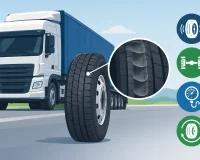
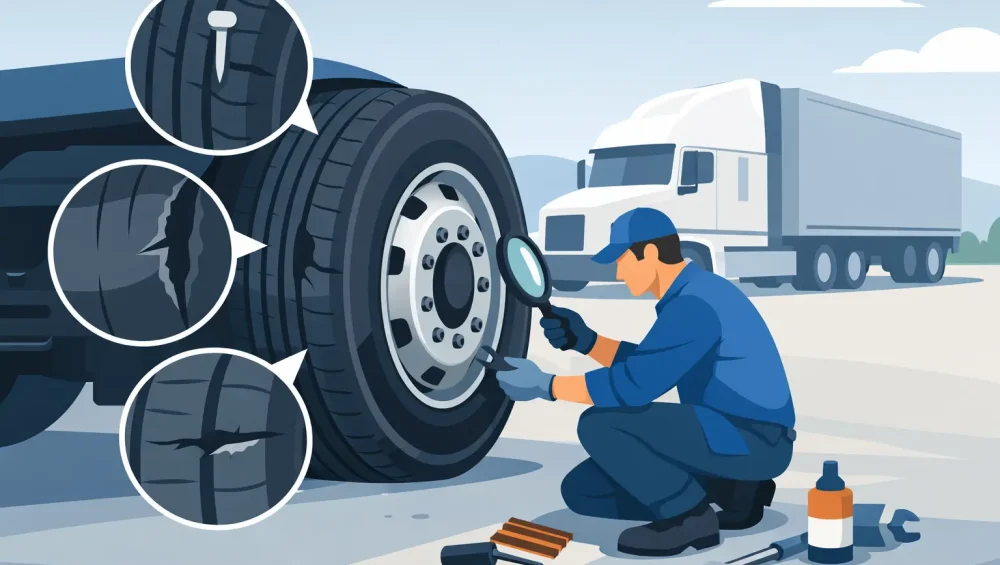
In many cases, a clean puncture through the central tread area may be repairable. This is the strongest and thickest working part of a truck tyre, and it is designed to carry load, resist wear and support future casing life. A nail, screw or similar object that has made a small, straight injury in this area can often be professionally repaired after a proper internal inspection.
A repair is not a plug pushed in from the outside and a quick pressure check. On a commercial tyre, the wheel should be removed and the tyre inspected internally. The technician can then confirm whether moisture, dirt or continued driving on low pressure has damaged the inner liner or casing. If the tyre remains structurally sound, the injury is prepared and repaired using the correct materials and process.
This can be a sensible option for fleets because it saves a serviceable tyre, reduces waste and gets the vehicle back to work without paying for an unnecessary replacement. It also protects the value of a quality casing that may later be suitable for retreading.
Repairs that are commonly possible
A straightforward tread puncture is the usual repairable job, particularly where the damage is contained within the repair zone and there is no evidence of internal heat damage. Small penetrations caused by road debris are common on highways, construction sites, quarries and farm access roads.
Some tread cuts may also be assessed for repair, but only if they are limited in size and have not exposed or broken the tyre cords. The same applies to certain minor crown-area injuries on trailer tyres. The tyre type, its load rating, its operating role and its remaining tread depth all matter. A heavily loaded steer tyre requires a more cautious decision than a lightly loaded trailer position.
The condition of the tyre before the puncture matters too. A casing with even wear, good tread depth and no previous structural concerns is a better candidate for repair than one that is already aged, worn irregularly or showing signs of fatigue.
Damage that usually means replacement
Some damage is simply not worth the risk. Heavy vehicles place enormous force through their tyres, particularly under load, during braking and while cornering. A tyre can look acceptable from the outside yet be unsafe beneath the surface.
Sidewall damage is one of the clearest examples. The sidewall flexes constantly as the tyre rolls, so cuts, tears, deep abrasions and exposed cords in this area are generally not safely repairable. The shoulder area, where the tread meets the sidewall, is also a high-stress zone and needs careful assessment.
Replacement is normally the safer call where there is:
- a bulge, lump or separation in the sidewall or tread
- exposed, broken or damaged steel cords
- a split, torn or badly damaged bead
- extensive cracking from age, heat or weathering
- severe uneven wear that has reduced safe tread depth
- a puncture combined with signs the tyre has been driven flat
- damage caused by a blowout, impact or tyre fire.
A bulge is particularly serious. It can indicate that internal cords have broken, leaving the tyre at risk of sudden failure. Adding air and continuing the run is not a fix. The same goes for a tyre that has been struck hard by a pothole, kerb, rock or debris. The visible mark may be small, but the internal damage may not be.
Why driving flat changes everything
A tyre that has been driven with very low or no pressure can suffer heat damage quickly. Without enough air, the casing flexes excessively. That generates heat, weakens the internal structure and can damage the inner liner. Once that has happened, repairing the original puncture does not restore the tyre’s strength.
This is why early action matters. If a driver spots a pressure loss, vibration, pulling, a warning light or an obvious tyre issue, stopping in a safe location and arranging assistance can save the casing. Continuing to the next depot, delivery point or servo may turn a repairable puncture into a full tyre replacement and a bigger delay.
For dual-wheel setups, a flat tyre can also overload its partner. That second tyre may have been carrying more than its share of the load and may need an inspection before the vehicle continues.
A proper truck tyre repair starts with inspection
The decision to repair or replace should be based on more than a roadside glance. A proper assessment includes checking the tread and sidewalls, locating the injury, inspecting the wheel and valve, measuring inflation pressure, and examining the inside of the tyre once it is removed.
The internal check is where hidden problems show up. Rubber dust, inner-liner scuffing, heat marks, loose cords and moisture intrusion can all point to a tyre that should not go back into service. It also allows the technician to find a second puncture or damage that was not visible while the tyre was fitted.
If a repair is suitable, the tyre must be repaired from the inside as well as the outside of the injury. This seals the path of the puncture and restores the inner liner properly. The tyre is then refitted, inflated to the correct pressure and checked before returning to work.
There is a trade-off worth remembering: repairing a sound tyre is cost-effective, but trying to save a casing with structural damage is false economy. A tyre failure can cost far more in missed deliveries, recovery, damaged guards or mudflaps, and lost operating time than a replacement tyre ever will.
Steer, drive and trailer tyres need different judgement
Tyre position affects the repair decision. Steer tyres are central to vehicle control and need the highest level of caution. A technician may recommend replacement where a similar injury in another position could be considered for repair, especially if there is any doubt about the casing.
Drive tyres deal with torque, traction and heavy load transfer. They can suffer damage from loose surfaces, work sites and debris, while trailer tyres often face scrub wear from tight turns and kerbs. In every position, the tyre needs to be suitable for its intended work after the repair, not merely capable of holding air.
Fleet operators should also consider tyre matching. On duals, major differences in rolling diameter or tread depth can affect how the pair shares load. On trailers and multi-axle equipment, regular rotation, pressure checks and alignment inspections help prevent the wear patterns that shorten tyre life.
What to do when you find tyre damage on the road
Do not pull out the nail or screw if the tyre is still holding pressure. It may be slowing the air loss and helps identify the puncture location. Reduce speed, avoid harsh braking or sharp manoeuvres, and stop somewhere safe as soon as practical.
Check the tyre visually without putting yourself at risk near traffic. If the sidewall is damaged, the tyre is visibly flat, cords are exposed or there is a bulge, do not attempt to continue. Record the vehicle location, tyre size if known, and the type of damage. That helps a mobile tyre technician arrive prepared with the right equipment and replacement options.
For operators across the Hunter, Hunter Mobile Truck Tyres provides 24/7 mobile support for puncture assessments, repairs and replacements at roadsides, depots and work sites. Fast on-site help can reduce downtime, but the right repair decision is what keeps the vehicle safely productive after the technician leaves.
A puncture does not always mean a new tyre. But if there is any doubt about the casing, sidewall or heat damage, treat replacement as the smart move. Keeping a truck moving matters, and keeping it safe matters more.