A tyre failure on a loaded truck is never just a tyre problem. It can mean a missed slot, a stranded driver, a delayed load and a vehicle sitting on the shoulder instead of earning. When weighing up tubeless versus tube truck tyres, the right choice comes down to your wheel equipment, operating conditions and how quickly you need to get back on the road.
For most modern on-road trucks, trailers and fleet vehicles, tubeless tyres are the standard for good reason. But tube-type tyres still have a place in particular applications. Knowing the difference helps owner-drivers and fleet managers make smarter tyre decisions before a puncture or blowout forces the issue.
How Tubeless and Tube Truck Tyres Work
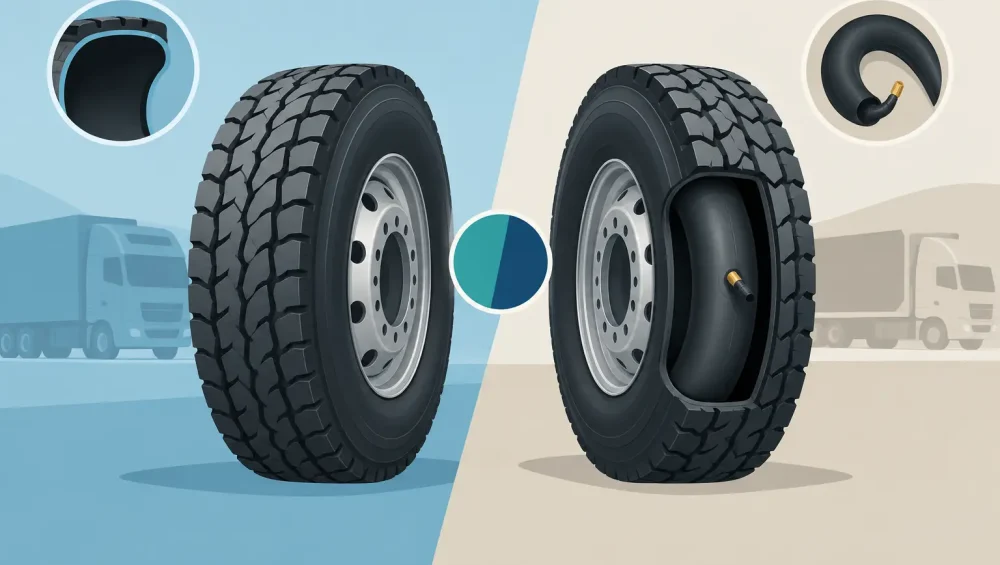
A tubeless tyre holds air directly between the tyre and the wheel rim. The bead seals tightly against the rim, while the valve is fitted through the wheel itself. Modern commercial truck wheels are designed to work with this system.
A tube-type tyre uses an inflatable rubber tube inside the tyre casing. The tube holds the air, while the outer tyre protects it from road contact and carries the load. This design is generally paired with older wheel types, split rims and some specialist off-road or agricultural equipment.
The outer tyre may look similar at a glance, but the internal setup changes how the assembly handles heat, punctures, pressure loss and repairs. That matters when your truck is hauling through the Hunter Valley, working a quarry site or running long distances on the M1.
Tubeless Versus Tube Truck Tyres for Daily Haulage
For highway work, local freight, deliveries, tippers and general commercial transport, tubeless tyres usually offer the practical advantage. They are commonly fitted to modern steer, drive and trailer axle wheel assemblies, and they suit the faster servicing needs of busy operators.
One major benefit is heat management. A tube inside a tyre can create friction as the assembly flexes under load, particularly during long runs or when pressures are not maintained correctly. Extra heat places more strain on the tyre and tube. A tubeless setup removes that internal friction, which can support cooler running when the tyre, wheel and inflation pressure are all right for the job.
Tubeless tyres can also lose air more gradually after a small tread puncture. A nail or screw may allow a slow leak rather than an immediate flat, giving the driver a better chance to notice the issue and stop safely. That is not a guarantee. Large punctures, bead damage, road debris, impact damage or a failed valve can still cause rapid deflation.
For fleets, the bigger advantage is often downtime. Tubeless wheels are widely used, parts are readily available and a qualified mobile tyre technician can assess, repair or replace the tyre on site where conditions allow. Less time spent arranging workshop visits means more time moving loads.
Where Tube-Type Tyres Still Make Sense
Tube-type tyres are not outdated rubbish. They are necessary where the wheel design requires a tube, and they remain common on certain older trucks, farm machinery, earthmoving equipment, trailers and specialist vehicles.
If your vehicle has tube-type rims, fitting a tubeless tyre without confirming wheel compatibility is not a shortcut. The rim, tyre and valve arrangement must be matched correctly. Tyre assemblies operate under serious pressure and carry substantial vehicle weight. Incorrect fitment can create a safety risk for the driver, nearby workers and anyone servicing the wheel.
Tube tyres may also be considered where operators have established equipment that is working reliably and where compatible tyres, tubes and wheels are already part of their maintenance program. In these cases, the goal is not to chase the newest setup. It is to maintain the existing assembly properly, use quality components and inspect it before it becomes a roadside problem.
Puncture Repairs Are Different
A small puncture in the repairable tread area of a tubeless truck tyre may be repairable after a proper inspection. The tyre needs to be removed from the rim so the inside of the casing can be checked for moisture, liner damage, run-flat damage and hidden injury. A repair is only worthwhile if the casing remains sound.
A roadside plug can sometimes assist as a temporary measure in the right circumstances, but it should not be treated as a full commercial repair. Heavy vehicles travel loaded, cover long distances and generate heat. A proper repair process protects the casing and gives you confidence in the tyre’s next service life.
With tube-type tyres, the outer tyre and tube both need inspection. A puncture can damage the tube, while the object that caused it may also have injured the casing. The tube can also fail through chafing, ageing, poor installation or valve-area damage. Replacing a tube without finding the original cause can see the same vehicle off the road again soon after.
Sidewall cuts, exposed cords, major impact damage, bead damage and tyres driven flat are different matters. These faults often require replacement rather than repair. Trying to stretch a damaged tyre further may cost far more when it fails under load.
Safety Comes Down to More Than Tyre Type
Tubeless tyres are often considered safer because a minor puncture may deflate more slowly, but tyre safety is never just tubeless versus tube truck tyres. Correct inflation pressure, axle load, wheel condition, tyre age, tread depth and regular inspections all matter.
An under-inflated tyre builds heat and flexes excessively. An over-inflated tyre can reduce the contact patch and make the tyre more vulnerable to impact damage. Both conditions can shorten casing life and increase the chance of a failure when the truck is working hard.
Drivers should make tyre checks part of the pre-start routine. Look for cuts, bulges, lodged objects, uneven wear, damaged valve caps, low-looking tyres and signs of rim damage. If a truck starts pulling, vibrating or showing a tyre pressure warning, act early. Continuing to run on a compromised tyre can turn a repairable issue into a complete tyre and wheel replacement.
Running Costs: Look Beyond the Purchase Price
The cheapest tyre setup at fitment is not always the cheapest over its working life. A truck tyre earns its keep through kilometres, fuel efficiency, casing condition and the ability to be retreaded where suitable.
Tubeless commercial tyre assemblies can offer lower ongoing labour and easier roadside service for modern fleets. They can also support casing life when pressures are maintained and tyres are rotated or managed according to their position and duty cycle. That can make a real difference across multiple trucks and trailers.
Tube-type assemblies may carry extra labour when a puncture occurs because both the tyre and tube must be assessed and handled. However, if the equipment requires tube-type wheels, the answer is not to force a conversion. It is to plan for the right stock, regular checks and reliable support when a failure happens.
The right tyre pattern matters as well. A long-haul highway truck, a tipper travelling between sealed roads and job sites, and an agricultural vehicle working soft ground all need different tread designs and casing strengths. Choosing the right tyre for the work can prevent irregular wear long before tyre type becomes the main issue.
When to Call for Mobile Truck Tyre Support
A flat tyre does not always mean you need a replacement, but it always needs a proper assessment. If you have a blowout, a tyre losing pressure, a suspected puncture, severe sidewall damage or a wheel issue, pull up safely and avoid driving further than necessary.
Hunter Mobile Truck Tyres provides 24/7 mobile support for trucks, trailers and commercial fleets across the Hunter region. Whether you are at a depot, roadside, quarry, farm or job site, on-site tyre repair or replacement can reduce the time your vehicle spends out of action.
The best choice is the setup that matches your wheels and your workload, backed by regular pressure checks and fast action when something does not look right. A tyre checked early is usually easier, safer and cheaper to deal with than one left until it fails.