A truck tyre is not finished just because its original tread has worn down. When the casing is sound, tyre retreading can put that tyre back to work for a fraction of the cost of a new replacement. For owner-drivers and fleets running hard across the Hunter, that can mean lower operating costs without compromising the job at hand.
But retreads are not a shortcut, and they are not right for every tyre, axle or application. The value comes from choosing quality casings, fitting the right pattern for the work, and keeping pressure and maintenance under control. Get those basics right and retreading becomes a practical part of a serious tyre plan.
What tyre retreading actually involves
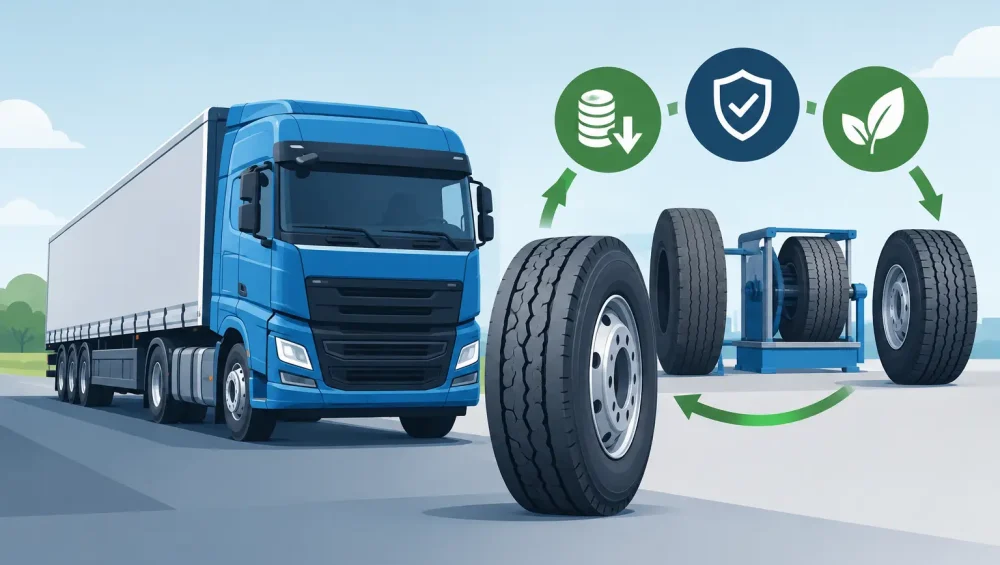
Retreading is the process of fitting new tread rubber to a used truck tyre casing that has passed a detailed inspection. The old tread is removed, the casing is checked for damage, repairs are completed where appropriate, and fresh rubber is applied before curing. The finished tyre is then inspected again before it returns to service.
The casing is the key. Heavy vehicle tyres are built with a strong internal structure designed to carry load and handle repeated use. If that structure remains in good condition, it can often support another tread life. If it has been run flat, overheated, badly damaged or suffered internal separation, it may be rejected. That is exactly how it should be.
A reputable retread is not simply an old tyre with rubber added over the top. It is a professionally assessed commercial tyre with a new working surface, selected for an approved application.
Why truck operators choose retreads
New tyres remain essential, particularly where a fleet needs specific original equipment fitments or a fresh casing for demanding work. Yet a quality retread can deliver meaningful savings where the operation suits it. The purchase price is usually lower than a comparable new tyre, and getting more usable life from a casing can improve the total cost per kilometre.
There is also a waste benefit. Retreading makes further use of a casing that would otherwise be removed from service. For fleets using large volumes of drive and trailer tyres, that can reduce the number of whole tyres being discarded over time.
The strongest case for retreads is often on drive and trailer positions, where a well-matched tread design can provide the traction, durability or low rolling resistance needed for the route. Long-haul operators may favour a highway pattern, while tippers, agricultural trucks and earthmoving support vehicles may need a more open tread for unsealed roads and job sites.
The right choice depends on where the truck works, what it carries, how many kilometres it covers and how closely tyre pressures are managed. A retread that performs well on a sealed freight route may not be the best option for a truck spending every day in sharp rock, mud or demolition debris.
When a casing is worth retreading
A casing must be assessed by a qualified retreader before anyone can say it is suitable. Externally, it might look acceptable while carrying hidden heat damage or structural issues. That is why visual checks alone are not enough.
Casings are more likely to be suitable when they have been operated at the correct pressure, have even wear, have not been overloaded, and have been removed before they are run down too far. The better a tyre is managed during its first life, the better its chance of delivering a second life.
Common reasons a casing may be rejected include severe sidewall damage, exposed cords, major bead damage, signs of running underinflated, deep penetrations, excessive age, or damage caused by driving flat. A rejected casing is not wasted money if it prevents an unsafe tyre from going back on the road. It is the cost of making the right call.
This is also why early puncture repairs matter. A nail or screw caught quickly may result in a repairable injury. A tyre driven for kilometres while losing air can destroy the casing through heat and flexing. The difference between a roadside repair and a lost casing can be a delayed response.
Where retreads work best on a truck
There is no one-rule answer for steer, drive and trailer positions. Fleet policy, manufacturer guidance, operating conditions and legal requirements all need to be considered. Many operators use retreads confidently in drive and trailer positions, while taking a more cautious approach to steer tyres due to steering, braking and handling demands.
For a working fleet, the important point is consistency. Avoid mixing incompatible tyre types, tread depths or patterns across an axle. Matched tyres help with stability, braking behaviour, traction and wear. They also make inspections easier because an unusual wear pattern stands out sooner.
A proper tyre plan considers more than whether the tyre is new or retreaded. It considers load ratings, wheel and rim condition, axle position, tread design, inflation pressure, rotation timing and the roads the vehicle actually travels. A trailer hauling down the M1 has different tyre needs from a tipper moving through quarry access roads near Singleton or Muswellbrook.
Tyre retreading only pays when maintenance is tight
The fastest way to lose the benefit of a good retread is to neglect it after fitting. Underinflation creates heat, increases flexing and accelerates shoulder wear. Overinflation can reduce the contact patch and contribute to centre wear. Both can shorten tyre life and make the ride less predictable.
Pressure checks should be part of the pre-start routine, not something saved for when a tyre looks low. By then, damage may already be underway. Check tyres cold where possible, use pressures suited to the load and application, and investigate repeated pressure loss instead of continually topping up air.
Wheel alignment and suspension condition matter just as much. Feathering, one-sided wear, cupping and rapid shoulder wear can point to alignment, balance, shock absorber, bearing or suspension issues. Replacing the tyre without fixing the cause only starts the same expensive cycle again.
Fleet managers should record tyre fitment dates, position, tread depth, repairs, pressure history and removal reasons. Even a straightforward record can reveal which routes, axle positions or vehicles are chewing through tyres. That information makes it easier to decide where retreads offer real value and where new tyres are the smarter choice.
Avoid the false economy of poor-quality retreads
The cheapest tyre on the invoice is not always the cheapest tyre on the road. A poorly selected retread, an unknown casing history or a tread pattern that does not suit the work can lead to early wear, poor traction and unplanned downtime.
Ask practical questions before buying: What casing standard is used? Is the tread pattern suitable for highway, regional, mixed-service or site work? What load and speed rating applies? Is the tyre appropriate for its planned axle position? These are working questions, not paperwork for the sake of it.
It also pays to consider availability. A fleet may save money per tyre but lose far more if a matching replacement cannot be sourced quickly when a puncture or blowout occurs. Standardising sizes and approved patterns across the fleet can simplify roadside replacements and keep trailers moving.
Use mobile support to protect your casings
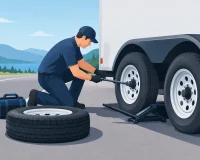
Tyres rarely fail at a convenient time. A puncture at a depot, a damaged trailer tyre on the highway or a blowout at a remote job site can turn into hours off the road if the truck has to wait for a workshop opening or limp in on a compromised tyre.
Prompt mobile assistance protects more than the immediate delivery schedule. It can help prevent a repairable tyre from being ruined by continued driving, identify damage on nearby tyres, and get the correct replacement fitted where the truck is stopped. For Hunter operators, Hunter Mobile Truck Tyres provides 24/7 on-site support for heavy vehicles, helping drivers deal with tyre trouble before it becomes a longer and more costly delay.
Retreading works best as part of a wider tyre program: suitable new tyres at the start, casing care through the first life, quality retreads where they make sense, and fast attention when damage occurs. Keep an eye on pressures, inspect tyres before small issues become failures, and give every good casing the chance to earn its keep.