A loaded trailer does not give you much warning before a tyre problem becomes a costly stoppage. One damaged casing, one underinflated tyre or one tyre with the wrong load rating can leave freight sitting, a job delayed and a driver stranded on the side of the road. Choosing the best trailer tyres for heavy loads is about more than buying a tough-looking tyre. It is about matching the tyre to the weight, route, axle setup and work your trailer does every day.
For tipper operators, local carriers, long-haul fleets, earthmoving crews and agricultural businesses, tyre choice has a direct effect on safety, running costs and downtime. Get it right and your trailer tracks properly, carries its share of the load and gives you predictable wear. Get it wrong and the cost can show up quickly in blowouts, shoulder wear, damaged wheels and missed delivery times.
Best Trailer Tyres for Heavy Loads Start With Load Rating
The first number that matters is the tyre’s load rating. Every trailer tyre has a maximum carrying capacity at a specified inflation pressure. That capacity needs to cover the actual weight carried by each tyre, not just the trailer’s advertised capacity.
Start with the fully loaded trailer weight, including the body, load, equipment and any accessories fitted after purchase. Then allow for how that load is distributed across the axle group. Loads are not always perfectly even, especially on tippers, plant trailers and trailers operating over uneven sites. A tyre that is technically adequate on paper may have very little safety margin once the load shifts or one side of the trailer carries more weight.
The correct tyre must also suit the axle configuration. A tri-axle trailer, for example, spreads weight across more tyres than a tandem setup, but scrub forces during tight turns can be higher. That affects tread wear and tyre stress. Your tyre technician should check the tyre size, ply rating or load index, wheel rim compatibility and axle ratings together. Fitting a higher-rated tyre does not solve an overloaded axle or incorrect wheel issue.
Never assume that a tyre marked for a similar vehicle is suitable for your trailer. Steer, drive and trailer tyres are built for different jobs. Trailer positions need to cope with heavy vertical load, lateral scrubbing, braking forces and long periods of straight-line running without creating excessive heat.
Choose a Trailer-Specific Tread Pattern
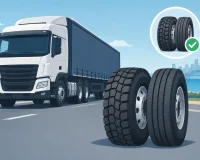
A trailer-specific tyre is usually the right place to start for highway and freight work. These tyres are designed to run freely, manage heat and resist the uneven wear common on trailer axles. Their tread patterns generally support stable tracking and long service life when pressure, alignment and rotation are managed properly.
For long highway runs on the M1, Hunter Expressway or regional freight routes, look for a highway trailer pattern with a proven reputation for low rolling resistance and even wear. Lower rolling resistance can help fuel economy across a fleet, but it should never come ahead of the load capacity and durability needed for your operation.
If your trailers spend time on quarry access roads, construction sites, farms or rough depot surfaces, the decision changes. A more durable casing and a tread designed for mixed service may be the better choice. It may wear differently on sealed roads, but it can offer better resistance to cuts, stone damage and casing bruising where conditions are harsher.
This is where a cheap tyre can become expensive. A low-priced tyre that suffers rapid shoulder wear or casing damage is not good value when it needs replacing early, causes a roadside callout or puts a loaded trailer off the road. The best option is the tyre that delivers safe, consistent kilometres in your actual operating conditions.
Heat Is the Enemy of Heavy-Load Tyres
Heavy loads generate heat. High speeds, long distances, hot road surfaces and low tyre pressure all add to it. When a tyre runs too hot, its internal structure can weaken. That increases the risk of separation, rapid failure and blowouts.
Tyre pressure is therefore not a set-and-forget job. The correct cold pressure depends on the tyre specification and the load it is carrying. Running below the recommended pressure causes excess flexing and heat build-up. Running too high can reduce the tyre’s contact patch, make the ride harsher and contribute to irregular wear.
Check pressures when the tyres are cold, before the vehicle has been working. Use an accurate gauge and inspect every tyre in the group, including duals. A dual tyre that has lost pressure forces its mate to carry extra load, often without the driver noticing until damage is already done.
Pressure checks should be part of the pre-start routine, particularly before a heavy run. They are also worth doing after a tyre repair, wheel change or a period where the trailer has been parked. Slow leaks, damaged valves and rim issues do not always announce themselves straight away.
The Right Tyre Is Only Half the Job
Even the best heavy-load trailer tyre will wear badly if the trailer has mechanical issues. Alignment, wheel balance, worn suspension components, bent rims and brake problems can all shorten tyre life.
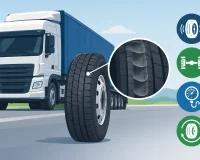
Watch the wear pattern. Wear concentrated on one shoulder can point to alignment or camber issues. Cupping may suggest suspension, balance or wheel-end concerns. Fast wear across the centre can indicate overinflation, while wear on both shoulders often comes with underinflation. These are practical warning signs, not something to ignore until the next service.
Trailer tyres should be inspected for cuts, exposed cords, bulges, cracking, embedded debris and uneven tread depth. A small puncture caught early may be repairable. Continued operation on a damaged tyre can destroy the casing and turn a straightforward repair into a replacement job.
Rotation also has a place in heavy trailer maintenance. Different axle positions can wear at different rates, particularly on multi-axle trailers that spend plenty of time manoeuvring through yards, depots and job sites. A planned rotation schedule can help get more even service from the tyre set, provided each tyre remains suitable for the position it moves to.
New Versus Used Trailer Tyres
New tyres are generally the preferred choice for regularly loaded commercial trailers. They offer known casing condition, full tread depth and a clear performance baseline for fleet maintenance. For high-kilometre freight work or consistently heavy loads, that confidence matters.
Used tyres can be a practical option in the right situation, such as a lower-use trailer, a temporary replacement or an operator managing a tight budget. The key is condition. The tyre needs to be properly inspected for tread depth, repairs, casing damage, age-related cracking and signs of uneven wear. A used tyre with an unknown history is a gamble when it is carrying serious weight.
Retread options may also suit some commercial trailer applications, depending on the casing quality, operating environment and fleet policy. A sound retread program can reduce tyre costs, but it relies on disciplined inspections, correct pressures and timely removal of damaged casings.
Match the Tyre to the Work, Not Just the Price
Before buying, be clear about what the trailer actually does. Consider its maximum loaded weight, typical trip length, road surfaces, average speeds, axle setup, seasonal conditions and how often it works. A local tipper doing short, dusty runs has different needs from a B-double trailer covering highway kilometres every week.
It also pays to think about availability. If a tyre fails while loaded or away from base, you need a replacement size and specification that can be sourced without holding the job up. Standardising suitable tyre sizes across a fleet can make roadside replacements and stock planning easier.
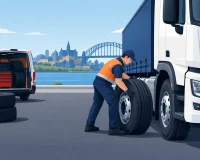
For operators across the Hunter region, Hunter Mobile Truck Tyres can assess tyre condition on-site, supply suitable new or used truck and trailer tyres, and respond when a puncture or blowout threatens to stop the day. Mobile tyre support saves the trip to a workshop and helps get your equipment moving again where it sits.
When to Replace a Heavy-Load Trailer Tyre
Do not wait for a tyre to fail before making the call. Replace it when tread is worn beyond legal or safe operating limits, when there is structural damage, when cords are visible, or when a bulge, major cut or repeated pressure loss suggests the casing is no longer reliable. Sidewall damage deserves particular caution because it can compromise the tyre’s structure even when the tread still looks serviceable.
If one tyre has failed, inspect the tyres beside it and on the same axle group. They may have been exposed to the same impact, overload or low-pressure condition. Replacing one tyre without checking the rest can leave the real problem waiting for the next trip.
A heavy trailer asks a lot from every tyre underneath it. Choose the right load-rated pattern, keep pressures accurate and act early when wear or damage appears. That is how you protect the load, the driver and the next job on the schedule.