A tyre failure on a loaded truck is rarely just a tyre problem. It can mean a missed delivery slot, a stranded driver, damaged guards or rims, and a job that stops until the vehicle is back on the road. To prepare for tyre failures, operators need a practical plan before they leave the yard – not just a number to call once something goes wrong.
For owner-drivers, fleets, earthmoving operators and trailer owners, the goal is straightforward: spot risks early, equip the vehicle properly, and know exactly what to do when a tyre lets go. The right preparation reduces downtime, protects people at the roadside and gives you more control over an expensive disruption.
Why heavy vehicle tyre failures need a plan
Truck tyres work under serious pressure. Long distances, high axle loads, hot road surfaces, rough access tracks, kerb strikes and debris can all turn a small issue into a puncture or blowout. A tyre may look acceptable at a quick glance yet have damage developing in the casing, sidewall or valve area.
The cost of ignoring that risk adds up quickly. Running a tyre too long after damage can destroy a casing that may otherwise have been repairable. A failure can also damage the wheel, mudguard, brake lines or nearby tyres. More importantly, a sudden deflation can affect steering and stability, particularly at highway speed or when a truck is loaded.
Preparation does not guarantee that every puncture can be avoided. Road debris and unexpected impacts happen. What it does do is help you prevent avoidable failures and respond decisively when one occurs.
Prepare for tyre failures before every trip
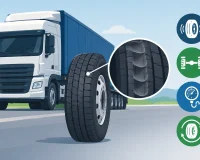
A proper pre-start inspection takes only a few minutes, but it needs to be more than a kick of the tyre. Walk around the truck, trailer or plant equipment in good light where possible. Look for obvious cuts, exposed cords, nails, screws, bulges, cracking, missing valve caps and anything lodged in the tread.
Pay close attention to dual wheels. A flat or underinflated inner tyre can be easy to miss, while the outer tyre carries extra load and overheats. Look for uneven spacing, scuffing between tyres and signs that one tyre has been running hotter than the other. If the vehicle has been parked for a while, check for pressure loss before it is loaded and sent out.
Tyre pressure deserves particular attention. Underinflation builds heat and causes excessive sidewall flex, which is a common pathway to tyre failure. Overinflation can reduce the tyre’s footprint and make it more vulnerable to impact damage. Use a reliable gauge and follow the tyre manufacturer’s recommendations for the actual load, axle setup and operating conditions.
Check wear patterns, not just tread depth
Legal tread depth is not the only measure of a serviceable tyre. Uneven wear often points to another issue that will keep costing you tyres until it is fixed. Wear on one shoulder may indicate alignment or suspension concerns. Cupping can suggest worn shocks or balance issues. Fast wear across the centre or both shoulders can be a pressure problem.
Record what you find, especially for fleet vehicles. A simple inspection record helps identify repeat issues on a particular truck, trailer or route. It also makes tyre replacement easier to plan instead of waiting for a breakdown to force the decision.
Match tyres to the job
A tyre that suits highway freight may not be the best choice for a tipper working through quarry access roads, muddy farms or construction sites. The wrong pattern, construction or load rating can lead to rapid wear, cuts and heat damage.
There is always a trade-off. Aggressive traction tyres can be useful off-road but may wear faster on sealed highways. Premium tyres can offer better casing life and performance, while quality used truck tyres may be a sensible option for the right application and budget. The key is choosing tyres that match the vehicle’s load, terrain, distances and operating speed rather than choosing on purchase price alone.
Keep the right information with the vehicle
When a tyre goes down, drivers should not be scrambling for tyre sizes, wheel details or fleet contacts on the side of the road. Keep the basics accessible in the cab or fleet system: tyre size, tyre type, preferred replacement options, vehicle registration, exact fleet contact details and the details of your roadside tyre provider.
Drivers should also know whether the vehicle has wheel nut indicators, tyre pressure monitoring equipment, locking wheel nuts or any unusual wheel configuration. This saves time for the attending technician and helps ensure the correct tyre is brought to site.
For operators running remote routes, include a clear process for communicating location. Highway names alone are not always enough. A nearby kilometre marker, rest area, cross street, direction of travel or GPS pin can make the difference between a quick arrival and wasted time searching for the vehicle.
What to do when a tyre fails on the road
A blowout or rapid deflation can feel violent, especially on a steer tyre. The first priority is control. Hold the steering wheel firmly, keep the vehicle as straight as possible and avoid sudden braking or sharp steering inputs. Ease off the accelerator and allow the vehicle to slow gradually.
Once you have reduced speed, move to the safest available location. That may be a wide breakdown area, a truck bay, a side road or a depot entrance. Do not stop where the vehicle creates unnecessary risk for passing traffic if a safer option is within controlled reach. However, do not attempt to travel further on a visibly flat tyre just to find a better spot – doing so can damage the rim and create a larger repair bill.
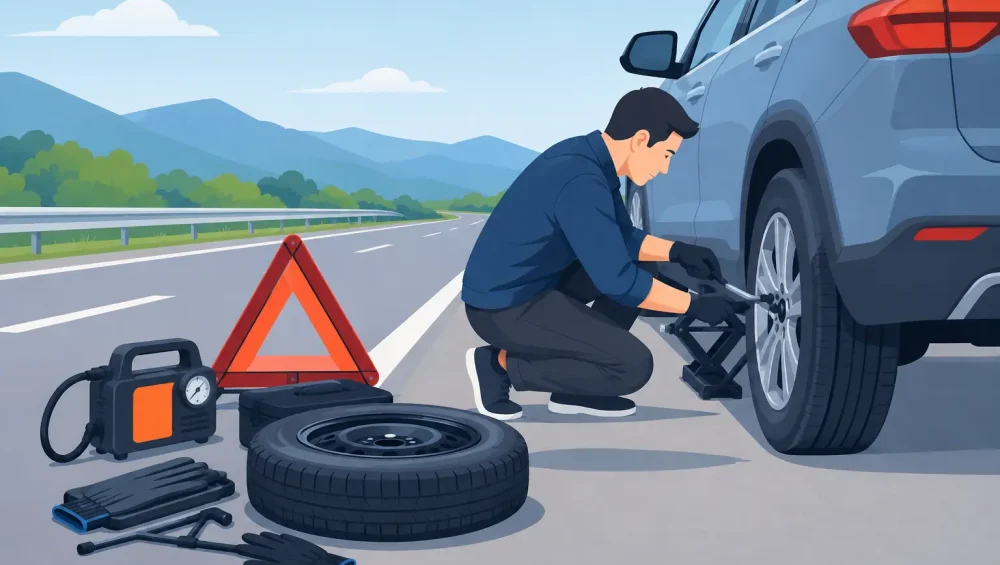
After stopping, apply the parking brake, activate hazard lights and follow your company’s roadside safety procedure. Put on high-visibility clothing before leaving the cab if it is safe to do so. Assess traffic, road width, visibility, ground conditions and load security before inspecting the wheel area.
Never place yourself between the truck and live traffic. On narrow roads, blind bends, the M1, the Hunter Expressway or busy freight routes, the safest move may be to remain in a protected position and arrange professional assistance. Do not attempt a roadside repair if the vehicle is unstable, heavily loaded, on soft ground or exposed to fast-moving traffic.
Know when a repair is possible
Not every puncture requires a new tyre, but not every tyre can be safely repaired. A small tread-area puncture may be repairable after the tyre is removed and inspected internally. Sidewall damage, exposed cords, a large gash, severe heat damage or damage from being driven flat will usually mean replacement is the safer option.
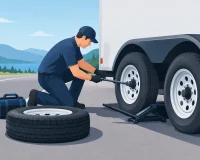
This is where expert inspection matters. A tyre can lose pressure slowly and still suffer hidden internal damage through heat and flexing. A quick external plug may get a vehicle rolling in limited circumstances, but it is not a substitute for a proper commercial tyre assessment. For heavy vehicles, the tyre, wheel and surrounding components need to be checked before the vehicle returns to service.
Build tyre support into fleet planning
The most reliable fleets do not only react to breakdowns. They schedule pressure checks, rotations, balancing where required, inspections and replacement planning around operating hours. This reduces emergency callouts, extends tyre life and gives managers a clearer picture of tyre spend across the fleet.
It also helps to review the cause after every significant tyre failure. Was it road debris, a chronic underinflation issue, overload, incorrect fitment, poor alignment or a damaged route into a job site? A short review can prevent the same vehicle from losing another tyre a fortnight later.
For local operators across the Hunter, having a mobile tyre service arranged before an emergency is a practical advantage. Hunter Mobile Truck Tyres can attend trucks, trailers and commercial equipment at depots, roadside locations and job sites, helping operators get the right tyre solution without first towing or limping a vehicle to a workshop.
A calm response keeps the job moving
Tyre failures will always be part of heavy vehicle work, but they do not have to turn into an all-day setback. Keep tyres inspected, pressures correct, vehicle details available and roadside procedures clear for every driver. When the unexpected happens, a calm decision and prompt professional support can protect your people, your load and the next job on the schedule.